
An application might run smoothly in one language but encounter problems when launched in international markets. Text that does not fit, incorrect date formats, or content embedded directly in code can make localization more complicated and expensive. These issues often come from software architecture decisions for localization made early in development.
Technical choices can determine how easily software adapts to different languages and markets. If multilingual needs are not considered from the start, companies may face additional code changes, interface adjustments, testing, and maintenance. As a result, software localization costs go beyond translation, and fixing architectural problems after development can be far more time-consuming.
To understand why localization costs increase, we need to look at the architectural decisions that can create challenges when software expands to multiple languages.
Software Architecture Decisions That Increase Localization Costs
Software architecture affects how easily a product can adapt to multiple languages and markets. Development decisions that may seem efficient early on can create additional work if localization requirements are addressed later. Microsoft recommends separating localizable resources from application code and considering internationalization from the beginning of software development.
One common example is hardcoded text and content. When text is embedded directly in source code, translators and developers may need to work around the code whenever content changes or new language versions are added. Similarly, inadequate character encoding and Unicode support can cause corrupted or unreadable text when software needs to support different writing systems.
Fixed UI layouts can create problems when translated text is longer or when different writing systems require different text direction and rendering behavior. Flexible layouts help reduce issues such as text truncation and interface disruption. A tightly coupled content structure can make language versions harder to update and maintain, while locale-sensitive data must be handled carefully to support regional date, time, number, and currency formats. W3C recommends using locale-neutral formats for data storage and interchange, then applying localized formatting for presentation based on the relevant locale.
These examples show that localization challenges often begin with software design, not just translation. Understanding internationalization requirements early can help companies avoid unnecessary localization costs later.
Internationalization Challenges in Software Development
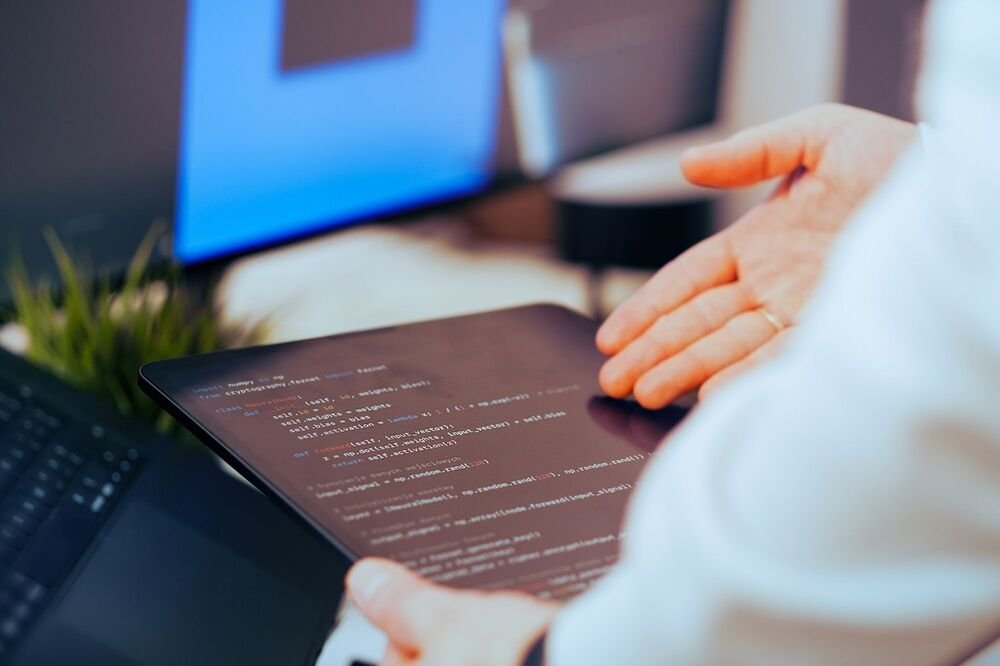
Internationalization (i18n) prepares software to support different languages and regions without major changes to its technical foundation. Addressing these requirements early can help control software localization costs.
One challenge is text expansion and contraction, as translated text can take up more or less space in buttons, menus, forms, and other UI elements. Software must also support Unicode and different writing systems to display multilingual content correctly. Right-to-left (RTL) languages, such as Arabic and Hebrew, require changes to layout direction and interface behavior. Meanwhile, locale-specific formatting ensures dates, times, numbers, currencies, and measurement units follow regional conventions. Dynamic and externalized content also needs to be considered. Separating UI strings from application code makes content easier to translate, update, and maintain across language versions. For a more detailed overview, read our guide to the software localization checklist.
Understanding these challenges helps teams anticipate localization needs before launch. The next step is turning these requirements into concrete architectural decisions that prevent recurring localization costs.
How to Build Localization-Friendly Software Architecture
A localization-friendly software architecture allows software to support multiple markets without requiring major technical changes whenever a new language is introduced. This approach can help reduce repeated development work and keep software localization costs under control.
Start by separating translatable content from source code. Interface text and other localizable content should be stored in resource files or content management systems rather than embedded directly in application logic. This makes content easier to translate and update without modifying the underlying code.
Software should also use Unicode and locale-aware libraries to support different writing systems and regional formats. At the UI level, flexible components should accommodate changes in text length, font size, and writing direction, including RTL languages.
A scalable localization architecture can further simplify language management by separating content, components, and language configurations into manageable modules. Integrating localization into development pipelines through version control, continuous integration, and testing can also help teams detect localization issues earlier.
A localization-friendly architecture can reduce the need for code changes when a product enters a new market. However, companies still need to assess whether these decisions deliver genuine long-term cost efficiencies.
How to Reduce Software Localization Costs Through Early Planning

Companies can reduce software localization costs by incorporating multilingual requirements into product design, development, and maintenance from the beginning. Early planning can help prevent costly technical rework when entering new markets.
Teams should define localization requirements during technical planning, including target languages, regions, formats, and market-specific needs. They should also consider long-term maintenance costs, such as updating, testing, and supporting multiple language versions, rather than focusing only on the initial translation cost.
Automation can further reduce repetitive work. Translation management systems, translation memory, and API integrations can connect localization with development workflows. Meanwhile, early internationalization testing can identify issues with character support, text expansion, regional formats, and UI layouts before they become expensive to fix.
Finally, engineering and localization teams should collaborate early. Involving developers, architects, and localization specialists helps address technical and linguistic requirements together.
Ultimately, localization cost efficiency depends not only on translation vendors or technology, but also on the technical foundation established from the beginning. A localization-ready architecture makes software easier to adapt, update, and maintain across markets.
Conclusion: Treat Localization as an Architectural Consideration from the Start
Software architecture directly influences long-term software localization costs. Code structure, content management, language support, UI flexibility, and development workflows can determine how easily a product adapts to new markets.
Internationalization should begin during planning and development, not when the product is ready for translation. Early preparation can reduce technical debt, maintenance costs, and delays during global expansion.
Before expanding into new markets, assess whether your software architecture is ready for multilingual development. SpeeQual’s localization engineering team can help prepare your product for multiple languages and markets by aligning technical requirements with localization quality.