
English may be the global language of business, but assuming every user is fluent creates a massive bottleneck. Most SaaS onboarding today is completely self-serve: a welcome video, an in-app tour, or a help center article one click away. It’s effortless on paper, but no amount of automation can bypass a real-world language barrier.
Your product isn’t the problem. Your onboarding video might be. Across Southeast Asia, self-serve onboarding breaks for a reason most teams never diagnose: a language comprehension gap, not a product gap.
Users who cannot follow an English walkthrough rarely file a ticket, they just drop off before your product ever proves its value. This is not a translation problem, it is a software localization gap hiding inside a one-language growth motion.
How SaaS Onboarding Works Today: Backed by Data
Self-serve is now the default: product tours, in-app guidance, and short videos have replaced the calls previously handled by a Customer Success Manager (CSM). Video formats only outperform static docs when understood: best-in-class flows complete at roughly 67 percent versus a typical 35 percent, and incomplete onboarding drives nearly three times higher 90-day churn. With no CSM safety net, that early period carries some SaaS’s greatest retention risk.
What SaaS Stands For (and Why the SaaS Industry Runs on Self-Serve)
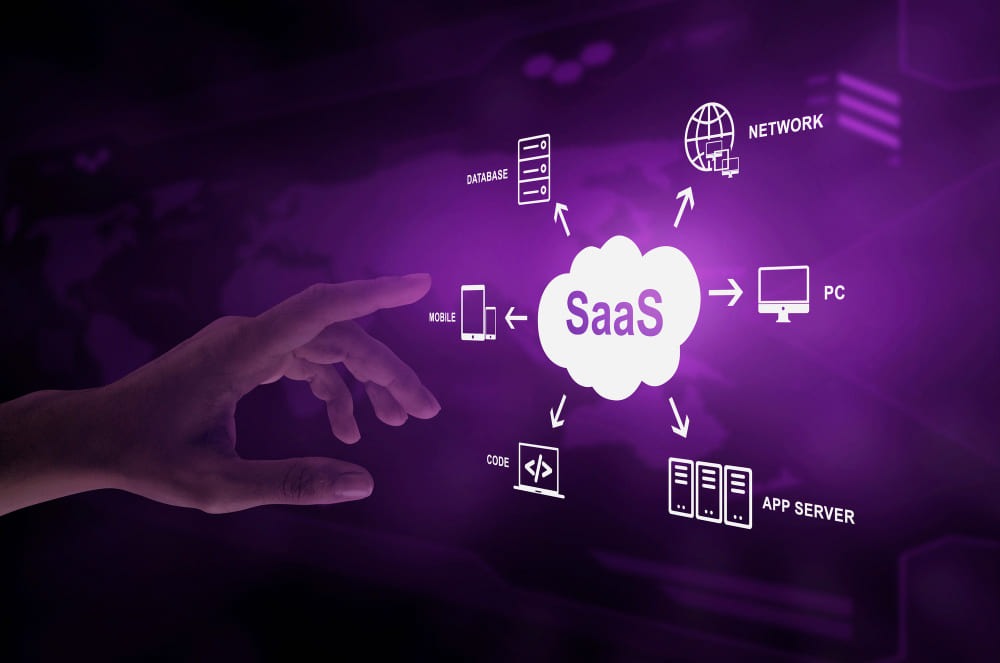
SaaS stands for Software as a Service, a delivery model built for low-touch, high-volume growth. The SaaS industry has scaled that model by removing humans from onboarding almost entirely.
SaaS Application Examples Built for Self-Serve Onboarding
Billing platforms, CRM tools, analytics dashboards, and project management suites are common SaaS application examples that lean on video and in-app guidance to activate new users.
Why Subtitles Don’t Close the Gap
Subtitles add a second task on top of learning a new tool. Reading dense text while watching a fast-paced demo creates high cognitive load, so users skim or skip subtitles on short onboarding videos, a pattern that matches broader research on language friction.
This comprehension gap in onboarding video rarely reads as a complaint. It shows up as drop-off, avoidable tickets, and soft activation, and few teams trace it back to language.
Software Localization Meaning: Why Subtitles Alone Don’t Solve It
Localization means adapting content to a market’s language, culture, and expectations, not just swapping words. Applied to onboarding, that goes beyond captions: it means matching how a feature is explained to how the user processes it, and for fast visual content, that is closer to dubbing than subtitling.
The Business Case for Localized Dubbing

Localized dubbing closes the gap subtitles cannot. Teams that adapt onboarding audio to unlock adoption in the user’s own language see higher completion, because users follow the full explanation instead of guessing at half of it. Time-to-value shortens, tickets drop, and 90-day churn falls, because onboarding stops being the point of failure.
What SaaS Localization Really Changes for Onboarding
SaaS localization applied to onboarding is not a line item on a launch checklist. It changes activation math directly: every point of comprehension recovered in session one is a point of churn that never happens in month three.
Why This Is a Software Localization Service, Not Just Translation
A proper localization service adapts tone, pacing, and cultural reference points, not just words, which is what onboarding audio needs to feel native rather than dubbed over.
Where to Apply It First (and What It Costs)
Prioritize the touchpoints with the highest trial traffic and the least human backup: welcome videos, in-app walkthroughs, help center content, and trial-to-paid sequences.
Website Localization Software and In-App Touchpoints to Prioritize
Website localization software can queue these assets across markets, but the highest-leverage touchpoint sits inside the product: the in-app walkthrough a trial user watches in their first ten minutes.
Localization Software Development Costs vs. Wasted CAC
Localization software development and production are often framed as the expensive line item, but they are modest against a wasted acquisition spend: AI-assisted dubbing now cuts turnaround from weeks to days and cost well below traditional studio dubbing. A trial user who churns over unclear onboarding is a paid-for lead already lost. Track activation rate, time-to-value, ticket volume, and trial-to-paid conversion before and after dubbing goes live.
What to Consider Before Investing

Not every market needs dubbing on day one. English proficiency varies sharply across Southeast Asia, per the EF English Proficiency Index, and the comprehension gap is widest where proficiency is lowest. Bahasa Indonesia, Vietnamese, Thai, and Tagalog are reasonable starting priorities. For lean teams, a hybrid approach often works best: dub the highest-traffic welcome video, weigh that against a subtitling-only approach for lower-priority content, then expand as usage data justifies it.
Software Localization Translation: Matching Voice Tone to Brand
This localization work has to match brand tone in the target language as closely as the English original, since a mismatched voice can undermine trust in the same session it is meant to build.
Avoiding Localization Software Defects as Products Ship Fast
SaaS products ship updates weekly. Localization software defects, dubbed content that quietly falls out of sync with a changed interface, are the most common failure mode, so a dubbing workflow needs a fast, repeatable update cycle from the start.
How Speequal Helps SaaS Companies
Speequal has applied native-language expertise across Southeast Asia since 1998, with more than 25 years adapting content for local audiences rather than simply translating it. Speequal’s native voice talent covers the priority SEA languages SaaS teams need most, with turnaround built for product release timelines and a workflow that scales with recurring updates rather than one-time projects.
Onboarding built for one language was never finished for a Southeast Asian user base. Localized dubbing closes that last, quiet gap between the product you built and the experience non-English speakers have on day one.
Ready to see what localized dubbing could do for onboarding activation in your priority SEA markets? Talk to Speequal about adapting your onboarding content today.