
Southeast Asia (SEA) looks like one region, but it behaves like eleven different markets. Its hundreds of languages and dialects reflect a level of cultural diversity that a single, one-size-fits-all localization strategy cannot capture. With the region’s digital economy on pace to grow from roughly $300 billion today to close to $1 trillion in gross merchandise value (GMV) by 2030, brands that localize generically risk losing more than sales; they risk losing customer trust.
For marketing directors and market-entry leads expanding into Indonesia, Malaysia, and Vietnam, the classic trap is content that is grammatically flawless yet culturally flat. Translation memory tools will not flag that disconnect. Instead, it shows up later through higher bounce rates, weaker engagement, and a brand presence that feels out of place.
This guide turns that problem into a practical roadmap, from prioritizing markets and choosing the right localization approach for each content type to building scalable operations. The goal is to replace one, large translation project with a sequence of deliberate, market-specific decisions.
Why Southeast Asia Isn’t One Market
Southeast Asia’s language map alone explains why a one-size approach fails. Indonesia’s national language shares commercial influence with major regional languages like Javanese and Sundanese. Vietnamese carries six tone marks that completely alter word meanings, while Thai uses its own script with no word spaces. The Philippines blends Filipino and English together, often in the same sentence. Despite looking similar on paper, Malay and Indonesian diverge sharply in vocabulary and everyday idioms.
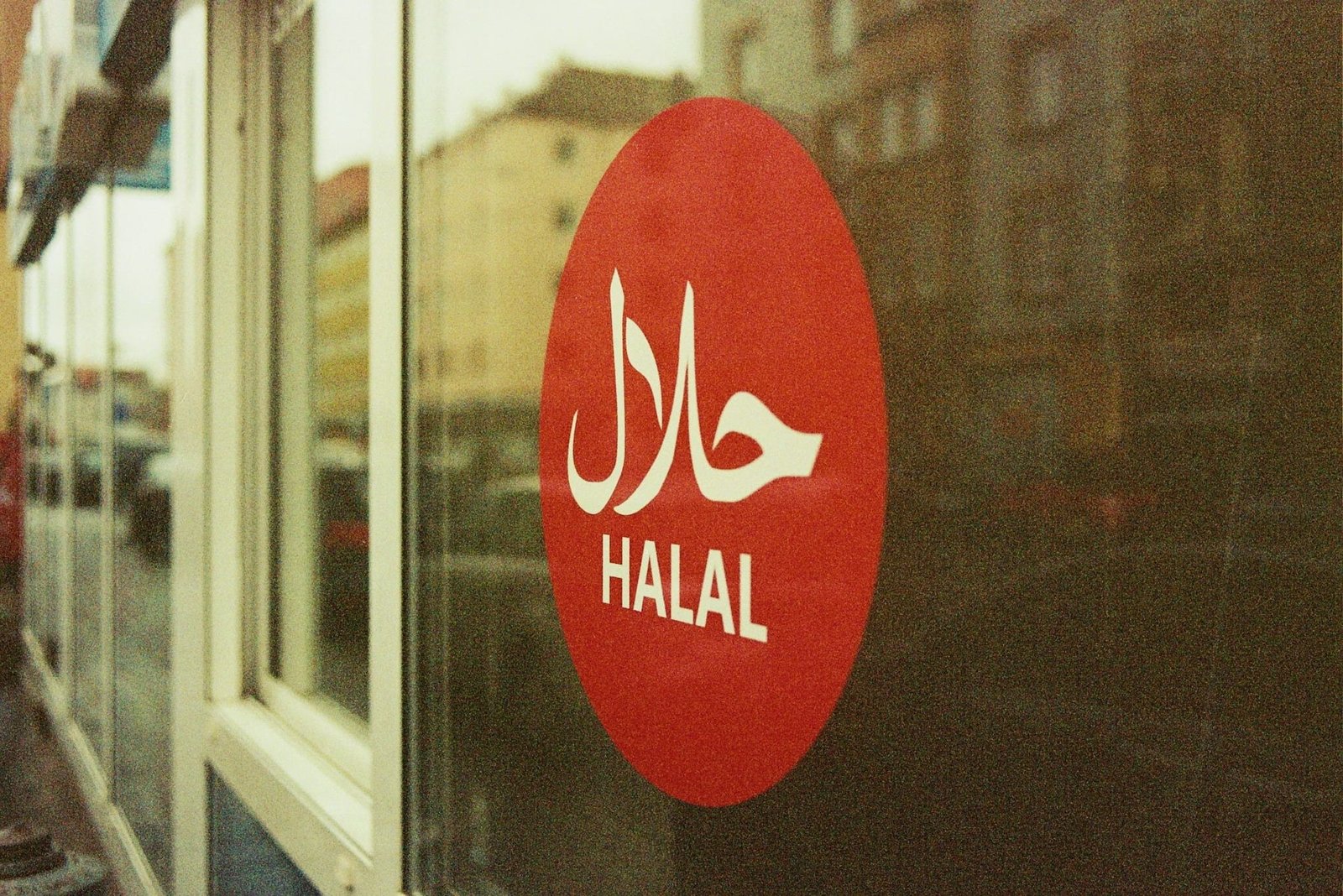
Culture and religion sit on top of that language map, and the stakes rise further. Imagery and tone that read as neutral in Jakarta can misfire in Malaysia’s Muslim-majority market, and messaging tuned for Ho Chi Minh City rarely transfers cleanly to Manila’s Catholic, English-fluent audience.
Diversity across the region is a business reality to plan around; not a footnote, and the traditions and cultural context that shape translation and localization across Southeast Asia deserve the same planning weight as vocabulary. Treating the region as one localization project instead of eleven is the costliest assumption a global brand can make.
Building Your Market-Entry Roadmap

With regional diversity mapped, the next step is sequencing, not translating everything on day one. Market size and digital readiness offer a clear starting filter. The stakes are massive: Southeast Asia’s digital economy is projected to hit $1 trillion in GMV by 2030, and 76 percent of online shoppers prefer buying products in their native language. Skipping localization directly hurts conversion. Competitive dynamics matter too; markets with aggressive local rivals deserve an earlier rollout slot than those dominated by English.
Once those priority markets are set, choose an execution model that fits the operational scale. A single pilot market lets a team validate messaging and terminology before multiplying costs across the region. Conversely, a simultaneous multi-market launch works best for brands with established SEA distribution and a proven localization pipeline. Always match scope to intent: awareness-stage markets only require lightweight marketing localization, while transaction-ready markets demand full translation of contracts, checkout flows, and customer support.
Choosing the Right Localization Approach
Not every piece of content deserves the same treatment. Machine translation with human post-editing works well for high-volume, lower-risk content such as product listings, where speed matters more than stylistic polish.
Full human translation earns its cost on marketing copy and brand messaging; customers will judge based on tone. Transcreation, which rebuilds a message in the target language rather than translating it line by line, is worth the investment for taglines and hero content where a literal translation would flatten the brand voice.
Matching your approach to content type follows the exact same logic. UI strings and help content tolerate a faster, lighter-touch workflow. Official contracts, certificates, and compliance filings, however, require certified, audit-compliant translation under standards like ISO 17100, making a formal translation services agreement with a qualified vendor essential. Before scaling across markets, build a shared glossary and style guide directly inside the localization tools your translators and reviewers use daily.
Operationalizing Localization at Scale
![Scaling across Southeast Asia starts with an operating model built for local market complexity.]](https://speequal.com/wp-content/uploads/2026/08/image-41-1024x683.jpeg)
Choosing a localization approach only pays off if the operating model behind it holds up. When selecting a vendor, start with true SEA-specific expertise: does the translation services company employ dedicated in-market linguists, or are they subcontracting to third-party freelancers? With in-house offices in Jakarta and Selangor, SpeeQual’s translation and localization team provides the on-the-ground presence that separates genuine regional expertise from a vendor simply claiming coverage.
QA and review workflows also need native reviewers built in from the start, not added after a launch goes wrong. That includes proper localization testing, confirming translated strings fit the interface, dates and currency formats are rendered correctly, and nothing breaks when text expands in Vietnamese or Indonesian.
The pitfalls that derail SEA programs repeat across brands: literal translation that ignores local idiom, treating Malay and Indonesian as interchangeable, ignoring regional dialects, and rushing past cultural reviews to meet a tight deadline. Since 1998, SpeeQual has engineered its localization workflows to catch these exact errors before they ever reach a live market.
Conclusion: Earning Regional Trust Through Market-Specific Nuance
Successful Southeast Asia localization is a strategic, phased process; not a single translation task finished once and forgotten. It is a market-entry roadmap, a considered translation approach per content type, and an operating model with real QA behind it, repeated across eleven markets that share a region but rarely share a playbook.
Brands that invest in that market-specific nuance from the outset avoid the costly relaunches that come from treating Southeast Asia as one project, and they earn local trust faster than competitors still running a single, generic localization strategy region-wide.
The path to winning customer trust across eleven unique markets begins with a clear strategy. Talk to SpeeQual about building a market-entry plan for Southeast Asia.