Southeast Asia’s (SEA) electric vehicle (EV) market is set to jump from USD 5.99 billion in 2026 to USD 23.58 billion by 2031, and the wider automotive sector is scaling just as fast. None of that growth simplifies the linguistic map: a single regional launch spanning Indonesia, Malaysia, Thailand, Vietnam, and the Philippines results in five distinct languages before the first vehicle reaches a showroom floor.
Automotive documentation goes beyond brochures. Owner’s manuals, safety warnings, compliance filings, and dealership training materials carry the same weight as the vehicle itself, and a mistranslated torque value or warning icon is a liability exposure, not a wording preference. A tier-1 auto supplier already runs roughly 250 source manuals into more than 2,000 localized variants, so one terminology slip rarely stays contained to one document.
This article covers five benefits professional automotive translation services deliver for manufacturers expanding into SEA, from safety compliance to faster time to market.
1. Ensures Technical Accuracy and Safety Compliance
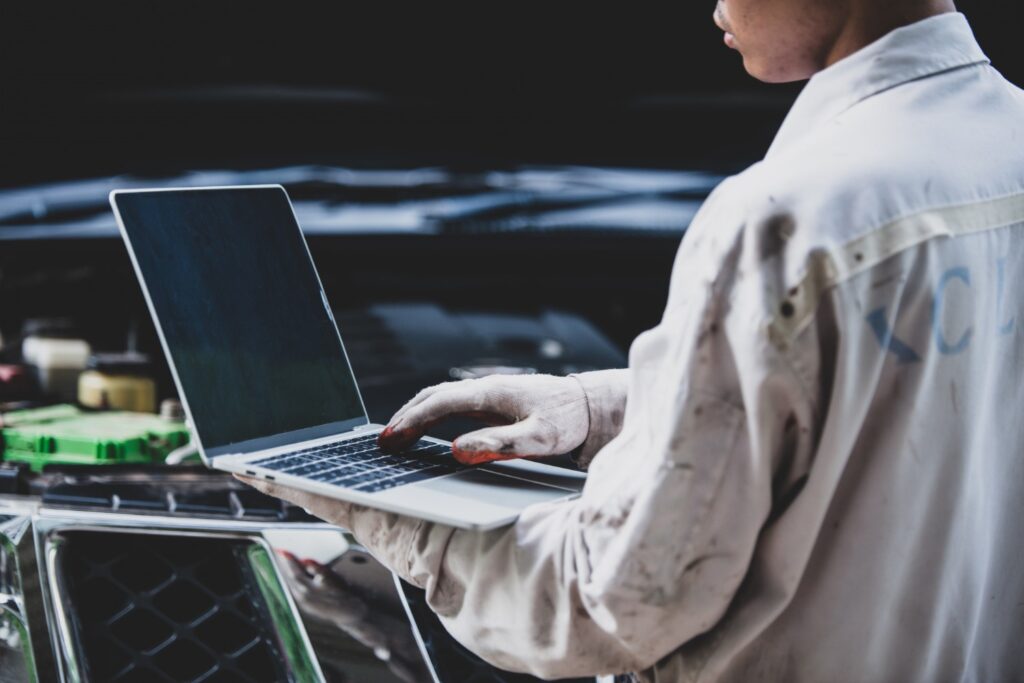
![Automotive translation services support manufacturers expanding into diverse SEA markets.]](https://speequal.com/wp-content/uploads/2026/08/image-20-1024x684.jpeg)
Precise translation of owner’s manuals, safety warnings, and technical specifications lowers the risk of user error and the liability that follows a mistake. Translated documentation also has to match each country’s regulatory and safety standards on its own terms, not simply carry the same words into a new language.
Automotive localization goes beyond word-for-word conversion; it adapts measurement units, warning icon conventions, and terminology to ensure instructions are understood consistently from Manila to Bangkok. Functional safety work under ISO 26262 already demands this level of traceability and precision for a vehicle’s electrical and electronic systems, and that same rigor has to survive translation intact.
That rigor starts with who does the translating. Technical translation for manufacturers cannot rely on a generalist vendor or machine output alone. ISO 17100 sets minimum qualification requirements for the translators, revisers, and reviewers who touch safety-critical content, a bar a general-purpose translation tool was never built to meet, which is exactly the standard SpeeQual applies to technical documentation.
2. Reduces Legal and Regulatory Risk Across SEA Markets
Many SEA countries will not clear a vehicle for registration, import, or safety certification until its documentation is translated. Poorly translated compliance paperwork does not just read awkwardly, it delays approvals or invites penalties that stall a launch.
Automotive compliance translation has to satisfy each regulator on its own terms, not a single regional template. Indonesia’s whole vehicle type approval process requires manufacturers to submit a Quality Manual written in Bahasa Indonesian alongside the technical documentation, and a manufacturer that treats that as a formality risks a certificate stuck in review.
That same pattern holds inside Indonesia specifically. Indonesian automotive translation requirements extend past the manual itself to registration paperwork and certification filings, and SpeeQual’s work on legal and regulatory translation across the region has shown how inconsistent terminology across those filings slows regulatory sign-off.
3. Speeds Up Market Entry Across Multiple SEA Countries
SEA’s linguistic diversity can turn five markets into five simultaneous translation workstreams, and without a dedicated partner, one regional launch quickly becomes five separate projects competing for the same internal resources.
Automotive market expansion into Indonesia, Malaysia, Thailand, Vietnam, and the Philippines moves fastest when a single partner coordinates every language pair, the same approach SpeeQual has applied to market expansion projects across the region instead of leaving each market to its own local vendor.
That same coordination has to show up in the content itself, not just the paperwork. Multilingual automotive content moves fastest when one team manages terminology and timelines across every market together, rather than sequencing language pairs one after another. A coordinated timeline across five countries can give manufacturers an early advantage, especially when competitors are still working through language barriers market by market.
4. Strengthens Brand Trust Through Clear Communication
Accurately translated marketing materials, brochures, and dealership content resonate with regional buyers in a way literal translations never do. Awkward phrasing in a brochure reads as carelessness, and that impression is difficult to undo once a buyer has formed it.
Pairing native linguists with automotive domain expertise keeps dealership content both technically precise and culturally relevant. For a new entrant, that balance is essential to competing with established regional brands that already have consumers’ trust.
Choosing the Right Automotive Translation Partner

Selecting a partner starts with three checks manufacturers should not skip.
- Proven experience with automotive and technical terminology, since safety-critical content leaves no room for a linguist learning the domain on the job.
- Coverage across the SEA languages a launch actually needs; including Indonesian, Malay, Thai, Vietnamese, and Filipino, without a mid-project handoff to a second vendor.
- Certified translators supported by a Translation, Editing, and Proofreading workflow, so every document passes more than one set of eyes before it reaches a dealership floor or a regulator’s desk.
EV programs raise the stakes further. The ASEAN EV market is forecast to grow at a 31.55 percent CAGR through 2031, and manufacturers riding that curve need EV translation services from a partner who already understands battery, charging, and powertrain terminology rather than one learning it alongside the launch.
Technical accuracy, lower regulatory risk, faster market entry, and stronger brand trust all trace back to one decision: choosing a partner with genuine automotive expertise instead of a generalist learning the industry on the client’s timeline.
SpeeQual has supported automotive brands including Honda, Mazda, and Daimler with technical and marketing translation across Southeast Asia for more than 25 years. Manufacturers planning a SEA launch should evaluate their translation needs before the timeline is locked in, not after the first missed deadline.



![Prepare a smart software localization checklist before briefing with a localization partner.]](https://speequal.com/wp-content/uploads/2026/08/image-21.jpeg)
![Automotive translation services support manufacturers expanding into diverse SEA markets.]](https://speequal.com/wp-content/uploads/2026/08/image-20.jpeg)