
The global EdTech market is expanding at an exceptional pace, creating opportunities that are difficult to ignore. Today, learning platforms can reach millions of users across different countries without establishing a physical presence in every market. Growing internet access, widespread mobile device usage, and increasing demand for flexible learning continue to drive the adoption of digital education. As a result, companies can unlock new revenue streams through subscriptions, certifications, and online training programs while significantly expanding their user base.
However, many platforms struggle to enter international markets because their video content is available in only one language. Language barriers make it harder for learners to understand concepts, instructions, and educational context. This often leads to lower engagement, reduced course completion rates, and slower market adoption, limiting growth potential despite strong educational offerings.
Thus, e-learning video localization services have become a strategic investment for global expansion. By delivering training that resonates with learners in different regions, EdTech platforms can strengthen user trust, increase retention, and build a stronger competitive position in the rapidly evolving digital education landscape.
Breaking Language Barriers to Accelerate Global User Acquisition
Many e-learning platforms struggle to attract new users even after translating their learning materials. In reality, translating text alone is not enough to build strong engagement in a new market. Learners absorb information not only through words but also through the way content is presented. When the narration, examples, terminology, and cultural references still feel unfamiliar, users often find it difficult to connect with the learning experience being offered.
For this reason, a more comprehensive approach has become increasingly important. Through e-learning video localization services, educational content can be fully adapted to local audiences, including voice-overs, subtitles, supporting visuals, and communication styles that feel familiar and relatable. These adjustments help create a learning experience that feels more relevant and engaging. When users feel understood, trust in the platform tends to grow more quickly.
This emotional connection has a meaningful impact on the learning process. Content delivered in a familiar language and cultural context is easier to understand, allowing learners to focus on the lessons themselves rather than spending extra effort interpreting meaning. As a result, the learning experience becomes more comfortable, consistent, and motivating, encouraging users to continue their educational journey.
That sense of comfort often has a direct influence on subscription decisions. When learners can easily understand the content and recognize its value from the beginning, they are more likely to view the platform as a worthwhile investment. With the support of e-learning video localization services, platforms can acquire new customers more efficiently while strengthening their presence across multiple markets.
Maintaining Pedagogical Accuracy Across Complex Multilingual Curriculums
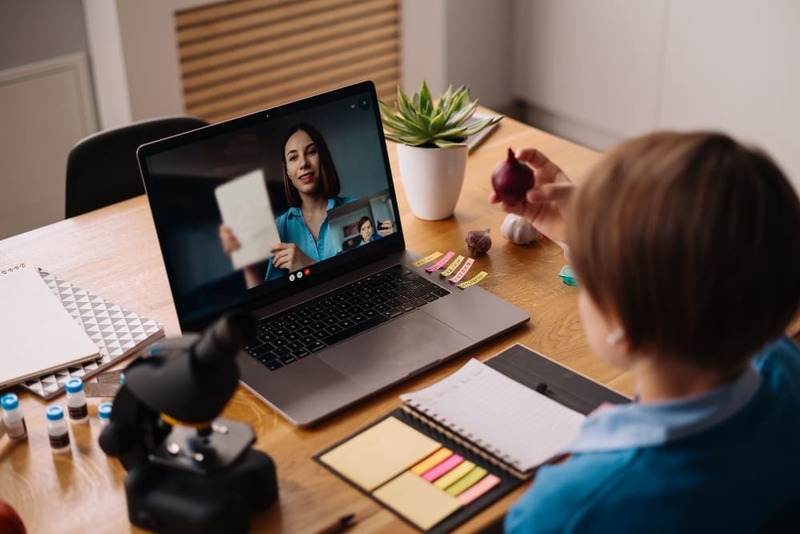
In a complex multilingual curriculum, the accuracy of scientific and technical terminology is essential to ensure that learning materials remain consistent across different markets. For this reason, the localization process must preserve the original meaning, context, and learning objectives so that the integrity of the content is maintained.
Terminology accuracy should also go hand in hand with consistency in content delivery. Every explanation, example, and instruction needs to be adapted without compromising its academic accuracy. With the right approach, learners can absorb information more clearly and understand the connections between concepts more easily. This helps create a structured and relevant learning experience for local audiences.
To make the learning experience even more effective, alignment between visual and audio elements should never be overlooked. Narration that is synchronized with subtitles, graphics, and on-screen content allows learners to follow the material without distraction. Even minor inconsistencies can reduce focus and hinder comprehension. In contrast, well-synchronized multimedia elements enhance learning comfort and encourage greater engagement throughout the learning process.
SpeeQual provides e-learning video localization services for EdTech companies looking to connect with their audiences in a more relevant and meaningful way. We understand that one of the most effective ways to stay close to local markets is by adapting how educational content is communicated. Backed by an experienced localization team, we ensure that every learning material is accurately and naturally adapted for its target audience. Through this approach, SpeeQual is ready to help you deliver a more engaging, effective, and meaningful learning experience for your users.
Cultural Adaptation: Beyond Text to Immersive Learning Experiences

Research on e-learning localization has shown that language localization improves accessibility for international learners. When content is delivered in a language they understand well, learners can absorb information more easily and confidently. Cultural references also play an important role. Examples, scenarios, and expressions that reflect local realities help learners connect with the material. For this reason, e-learning video localization services extend beyond translation and focus on creating learning experiences that feel relevant and meaningful.
Building on this foundation, high-quality voiceover is equally essential. Effective narration should match the formal dialect and communication style of the target audience. Clear pronunciation and natural delivery improve comprehension and reduce distractions. A professional voice also helps establish credibility and keeps learners engaged throughout the lesson. This ensures that complex topics remain accessible while preserving the original intent of the content.
When language, culture, and narration are carefully adapted, the learning environment becomes more inclusive. Learners spend less effort interpreting unfamiliar references and can focus on understanding key concepts. The content feels approachable, which supports a smoother and more effective learning experience.
This inclusive approach contributes directly to stronger engagement metrics and higher course completion rates. Learners are more likely to participate actively when content feels relevant to their needs. They also tend to remain motivated throughout the course. As a result, e-learning video localization services help organizations deliver learning experiences that are accessible, engaging, and effective for diverse global audiences.
The Operational Efficiency of Outsourcing Your Localization Pipeline
The use of e-learning video localization services helps streamline localization management and improve overall operational efficiency. By partnering with specialists in the field, processes such as translation, cultural adaptation, and audiovisual content customization can be handled in a more structured and effective manner. This reduces the workload of internal teams and allows available resources to be directed toward other strategic priorities.
This efficiency also has a direct impact on the speed of launching new learning programs. When experienced professionals manage localization, they can prepare multiple modules simultaneously for different target markets. As a result, creators can deliver new learning content more quickly and consistently across various countries without compromising the quality of the learning experience.
With a more organized workflow in place, teams can focus development efforts on areas that create greater value for users. Instead of devoting time and resources to localization tasks, teams can invest them in technology development, platform enhancement, and service improvement. This approach supports more sustainable growth while strengthening competitiveness in the global market.
Conclusion: Democratizing Education on a Global Scale
Language or geographic boundaries should not limit access to quality education. Through e-learning video localization, creators can adapt educational content to meet the linguistic and cultural expectations of learners in different regions. When learners engage with content in a familiar language and context, comprehension improves and learning becomes more effective. This creates a more inclusive environment where teams can share knowledge with broader audiences.
As digital learning continues to expand, localization plays an increasingly important role in supporting international reach. Well-localized educational videos help improve learner engagement, strengthen content relevance, and create a more consistent learning experience across diverse markets. Beyond translation alone, localization ensures that educational materials connect with audiences in meaningful and culturally appropriate ways.
The growing demand for online education highlights the value of making learning accessible to everyone. By investing in e-learning video localization, organizations can remove communication barriers and extend educational opportunities to more people worldwide. This approach supports greater inclusivity while helping create a more connected global learning community.
![Preparing technical manuals for the Malaysian market.]](https://speequal.com/wp-content/uploads/2026/09/image-20.jpeg)


![Scaling technical manual translation across Southeast Asia with local linguists and terminology management.]](https://speequal.com/wp-content/uploads/2026/09/image-9.jpeg)

![A mobile app localization strategy starts with more than just choosing a translation vendor.]](https://speequal.com/wp-content/uploads/2026/09/image-3.jpeg)