
Tag: Medical Document Translation

  • Why Medical Translation Services Are Essential in Healthcare

    Why Medical Translation Services Are Essential in Healthcare

    Nowadays, people can travel abroad to receive medical treatment. For example, many Indonesians choose to undergo medical check-ups at hospitals in Singapore. As patients come from increasingly diverse backgrounds, effective communication has become more important than ever. It serves as the foundation of healthcare services, especially when medical information must be clearly understood by healthcare professionals, patients, and institutions across different countries.

    However, communication challenges can arise because of translation gaps. If they are not handled properly, these gaps can change the meaning of a diagnosis, treatment instructions, or medical test results. This is why medical translation services are essential. They help ensure that medical information is both accurate and easy to understand, supporting patient safety and diagnostic accuracy.

    In this article, we will discuss how medical translation services help medical professionals communicate medical reports more effectively. When translation gaps are addressed, patients can better understand their medical information, leading to stronger trust in the healthcare they receive.

    Bridging Language Gaps in Healthcare Communication 

    Even small mistakes in medical translation can have serious consequences. Translation gaps remain a major challenge in multilingual healthcare communication because every piece of information must be understood accurately. In medical translation, language differences involve more than vocabulary. They also include clinical meaning, which can influence decisions made throughout patient care.

    This challenge becomes even more apparent when medical terms vary between countries. For example, the United Kingdom uses Accident and Emergency (A&E), while the United States uses Emergency Room (ER). These differences can lead to misunderstandings if translators do not have sufficient medical knowledge. For this reason, understanding the causes of translation gaps is an important step toward ensuring healthcare communication that is safe, accurate, and consistent.

    The Value of a Translation Services Company in Healthcare Communication

    Given this level of complexity, a translation services company supported by experienced translators with expertise in medical terminology across different countries can provide a more structured translation process. Their understanding of differences in medical practices, regulatory requirements, and terminology usage helps ensure that every piece of information remains accurate and relevant to the intended context.

    This process is supported by skilled linguists, the involvement of subject matter experts, quality assurance procedures, and consistent terminology management. Together, these elements help preserve the intended meaning across languages, reduce the risk of misinterpretation, and support reliable medical communication throughout healthcare services.

    Clinical Accuracy Begins with Professional Medical Translation 

    Even a small mistake can have serious consequences in the medical field. Every medical document contains critical information that directly supports diagnosis, treatment, and patient monitoring. For this reason, medical translation must do more than deliver accurate language. It must also preserve the clinical meaning of every term so the information remains complete and easy for healthcare professionals to understand.

    To achieve this, every term should be translated according to its medical context. This approach helps healthcare professionals access clear and consistent information, allowing clinical decisions to be based on documents that retain their accuracy after translation.

    Raising Quality Standards Through Translation Medical

    The quality of medical translation depends on a strong understanding of medical terminology, the use of specialized glossaries, and a thorough validation process that maintains consistency throughout every stage of translation. Combining linguistic expertise with medical knowledge also helps ensure that every detail is communicated accurately while preserving the original meaning.

    To support these needs, SpeeQual, through medical translation services, provides an experienced team of medical translation specialists who understand industry standards. With a structured translation process, SpeeQual helps deliver medical information that is clear, accurate, and easy for healthcare professionals and other stakeholders to understand.

    Accurate Medical Reports as the Foundation of Better Patient Care

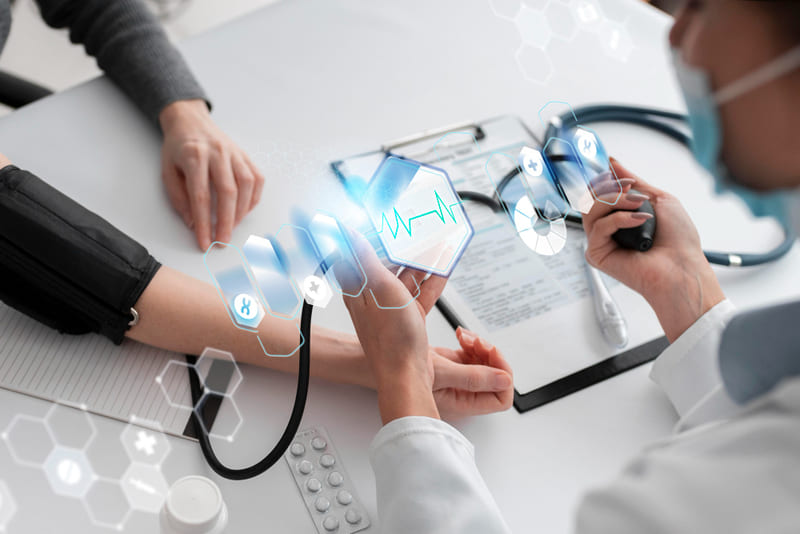
    Medical report translation services help medical practitioner’s decisions. Image source: magnific.com.
    Medical report translation services help medical practitioner’s decisions. Image source: magnific.com.

    A single mistake in a medical report can change a patient’s life. Medical reports provide the basis for clinical evaluation, referrals, and collaboration among healthcare professionals. Every detail must be translated accurately to preserve the meaning of examination findings and clinical decisions. Misinterpreting a medical report can lead to incorrect medication dosages or misdiagnosis. Thus, medical report translation services help medical practitioners to give accurate diagnoses.

    The Willie case illustrates this clearly. The Spanish term intoxicado was translated as intoxicated, even though it actually meant poisoned. This misunderstanding delayed the diagnosis of a brain hemorrhage and left the patient with permanent paralysis. 

    Delivering Reliable Outcomes with a Medical Report Translation Service

    Each type of medical report serves a different purpose and has its own characteristics, making the right translation approach essential. A medical report translation service covers a wide range of documents, including medical records that document a patient’s treatment history, laboratory reports containing test results, pathology reports that present tissue or biopsy findings, and radiology reports explaining the results of medical imaging. It also includes referral letters used to share patient information between healthcare professionals and discharge summaries that outline a patient’s condition and recommended follow-up care after treatment.

    To preserve the accuracy of every detail, each document typically goes through quality control and a thorough review process. These steps help ensure that medical terminology, formatting, and the content of the report remain accurate and consistent before the document is used for its intended purpose.

    Improving Cross-Border Collaboration Through Medical Report Translation

    Medical report translation also plays an important role in supporting second opinions, medical tourism, international patient transfers, and communication between hospitals and healthcare professionals. Accurate translations help speed up diagnosis, provide clearer clinical information, and reduce the risk of miscommunication that could affect patient safety.

    Navigating Regulatory Requirements for Medical Documentation 

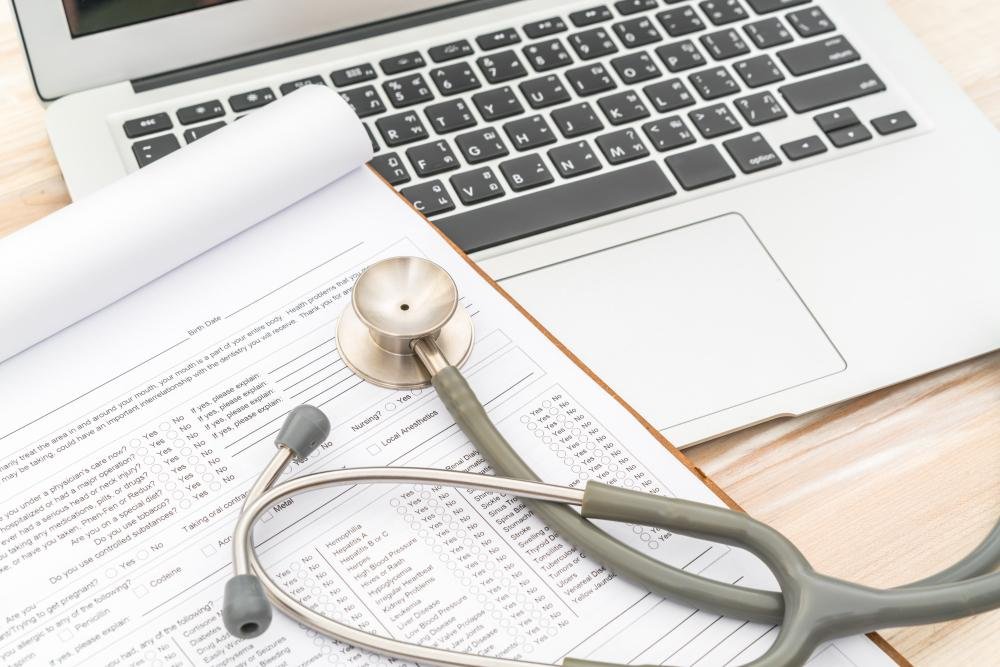
    Accurate medical translation meets compliance standards without changing the meaning of critical information. Image source: magnific.com.
    Accurate medical translation meets compliance standards without changing the meaning of critical information. Image source: magnific.com.

    Medical documents carry significant responsibility. Beyond supporting patient care, every document must comply with administrative requirements and international regulations. This is why medical translation services play an important role in maintaining accuracy and consistency while ensuring that information is accepted by regulators and healthcare partners across different countries. 

    Handling Healthcare Records with Translation Services for Official Documents

    The need for translation services for official documents covers a wide range of materials, including informed consent forms, medical certificates, regulatory submissions, clinical trial documents, and legal records. Accurate translation supports audit processes and helps organizations meet compliance standards without changing the meaning of critical information.

    The case of Tran, a nine-year-old Vietnamese girl living in the United States, highlights why patients and their families must fully understand informed consent. Her doctor prescribed Reglan (metoclopramide) without adequately explaining the risks or potential side effects to her parents in Vietnamese. This communication failure led to Tran’s death. The case was later settled for approximately US$200,000, in addition to substantial legal expenses.

    Defining Project Standards Through a Translation Services Agreement

    To keep every project well organized, a translation services agreement serves as the foundation of the partnership between the language service provider and the client. It defines the scope of work, quality standards, project timeline, revision process, and the protection of confidential medical data in a clear and transparent manner.

    With a well-defined agreement in place, every stage of the translation process becomes more consistent and easier to monitor. Choose a translation partner that understands healthcare regulations, such as SpeeQual, so your international documentation requirements can be handled with greater confidence and professionalism.

    Accurate Medical Translation Starts with the Right Expertise 

    Clear medical communication leaves no room for misinterpretation. Translation gaps can disrupt communication, affect diagnoses, and compromise patient safety when they are not handled properly. That is why medical translation services require far more than language proficiency. Every document must preserve its clinical meaning, use accurate medical terminology, and maintain the original context.

    With this in mind, choosing a translation provider that specializes in healthcare is essential. Experienced medical translators understand industry terminology and regulatory requirements, ensuring every document is accurate and consistent. Reliable translations support informed decision-making while helping healthcare professionals and patients communicate with greater confidence and trust.


  • Accelerating International Healthcare Expansion with Medical Translation Compliance

    Accelerating International Healthcare Expansion with Medical Translation Compliance

    Today, as more people prioritize their health, the healthcare industry is moving faster to expand into the global market. This optimism can be seen in Deloitte’s Global 2026 report, where 72% of healthcare system leaders across different countries view the coming year positively. This situation creates major growth opportunities as demand for healthcare services, medical technology, and health innovation continues to rise across borders.

    However, these opportunities often come with complex regulatory challenges. Every country has different medical standards, documentation requirements, and patient communication regulations. Inaccurate terms or information can lead to legal risks, delays in product approvals, and even a loss of public trust in the healthcare services being offered.

    This is where medical translation compliance becomes a strategic foundation, not just a simple translation trrocess. Medical translation compliance helps ensure that information remains accurate, follows local regulations, and is easy for stakeholders to understand. With this approach, international expansion can move faster while maintaining the credibility of healthcare institutions in new markets. In the high-stakes healthcare migration of 2026, linguistic precision is a regulatory shield. Discover how medical translation compliance transforms cross-border friction into market velocity. 

    Overcoming Regulatory Barriers in New Markets

    Imagine a healthcare product that is ready to enter the market but gets delayed simply because the documents do not meet the standards of the target country. This situation often happens because each country has its own health authority with different regulations. Malaysia and Singapore, for example, apply their own legal frameworks, document formats, and validation requirements. Companies must adjust all documents to meet medical translation compliance from the beginning of the process.

    These regulatory differences make language compliance more than just a matter of translation. Inaccurate medical terms or unsuitable information formats can lead to repeated revisions. As a result, the evaluation process is delayed, and product approvals take longer. These delays often lead to additional costs, lost market opportunities, and postponed product distribution.

    For this reason, language accuracy becomes an important part of a compliance strategy. Health authorities do not just read translations; they audit them. A single misaligned medical term on a clinical trial protocol can stall regulatory approval for months. Even small inconsistencies can raise doubts about the validity of the submitted data.

    Therefore, translation that follows regulatory standards helps documents pass through the administrative process more smoothly. This approach supports medical translation compliance through precise terminology, proper structure, and complete information. As a result, documents have a greater chance of passing evaluations without unnecessary administrative obstacles.

    Ensuring Absolute Accuracy for Medical Devices and Software

    Meticulous medical translation is key to accurate decision-making
    Accuracy is an essential measure for improving the accuracy of medical devices. [Source: magnific.com]

    Have you ever imagined what could happen if the instructions for a medical device were translated with just one incorrect term? In the healthcare industry, user manuals and digital interfaces are not simply supporting texts. They serve as important references when medical professionals and users make decisions. For this reason, language clarity must be maintained carefully so the device functions are understood correctly and comply with medical translation compliance standards.

    This need becomes even more critical because a single misinterpretation of a technical term can significantly change the meaning of an instruction. A word that appears simple may lead to improper use of the device. The impact goes beyond operational issues and can also threaten patient safety. Risks like these make translation accuracy an essential part of user protection.

    On the other hand, guides in local languages help information be understood more quickly and easily. Users can follow instructions with greater confidence without confusion caused by foreign terms. However, even one translation mistake can still lead to financial losses, legal disputes, and damage to a company’s reputation in the eyes of the public and regulators.

    Engineering a flawless localized software interface requires zero-error toleration. Partnering with SpeeQual secures your technical accuracy while safeguarding patient safety. A team that understands medical contexts can help your materials sound natural for local users without changing the technical meaning. This approach supports medical translation compliance while also strengthening trust in your company’s quality.

    Building Local Trust with Providers and Patients

    Partnering with trusted medical translators can help strengthen public trust
    Building public trust by providing and improving health and patient services, including translation services. [Source: magnific.com]

    A healthcare institution reviews dozens of documents before deciding to establish a partnership, as even one unclear piece of information can affect the quality of patient care. This situation explains why local institutions tend to choose products with transparent documentation. Transparency makes it easier to trace standards, evaluate risks, and verify compliance with applicable regulations. They need assurance that every process is not only convincing in words, but also supported by evidence that can be properly reviewed. This is where trust is built through real accountability.

    That trust becomes even stronger when medical information is translated ethically. Accurate translation preserves the clinical meaning of the content and reduces the risk of misinterpretation that could influence patient decisions. In medical translation compliance practices, precision is essential because healthcare messages must be understood clearly without losing cultural context or local values. Consumers are more likely to view a brand as credible when information is delivered clearly, responsibly, and without misleading statements.

    The credibility that has been established also depends on how organizations protect patients’ personal information. Ethical translation is the cornerstone of clinical trust—ensuring that complex patient-consent documents maintain absolute legal validity across different privacy jurisdictions. This is increasingly important as global patients become more aware of data breach risks, especially in digital healthcare services involving multiple systems and parties.

    When documentation transparency, ethical translation, and legal compliance work together, relationships with healthcare providers and patients become more stable. Medical translation compliance not only supports operational processes, but also strengthens the sense of security needed to maintain long-term trust.

    Optimizing the Localization Workflow for Faster Time-to-Market

    A healthcare company once had to delay a product launch because its documents required repeated revisions after reaching the final approval stage. Situations like this often occur when language experts are only involved after most of the process has already been completed. In fact, involving them from the beginning helps align technical terminology, clinical context, and local regulatory requirements before larger issues arise. In medical translation compliance practices, this approach shortens revision cycles because potential misunderstandings are anticipated early in the planning stage.

    This foundation is further strengthened through structured text audits. Layered reviews of terminology, formatting, and legal compliance allow inconsistencies to be identified before documents are submitted to regulators. This step reduces the risk of rejection because all information has gone through validation based on local standards. As a result, the workflow becomes more stable and less vulnerable to sudden corrective revisions.

    This efficiency creates strategic benefits for companies. When documents can be processed faster while maintaining a high level of compliance, opportunities to enter the market earlier become much greater, strengthening the company’s competitive position.

    Conclusion: Compliance as a Growth Catalyst

    Many companies only realize the importance of compliance after their expansion process is delayed by document revisions or prolonged approvals. In the healthcare industry, these situations can affect trust while also slowing business growth. For this reason, medical translation compliance is not only about meeting regulatory requirements, but also about maintaining accurate communication across different markets.

    This understanding shows that compliance implemented from the beginning can build a more consistent process. The risk of terminology errors can be minimized, while the need for major adjustments becomes less frequent. As administrative barriers decrease, companies gain more flexibility to focus on innovation, service development, and expansion strategies.

    The impact goes beyond smoother operations. Compliance is the ultimate engine for sustainable healthcare growth. Protect your clinical innovations by anchoring your global expansion in verified precision.

  • High-Quality Medical Translation Backed by Certified Experts in Southeast Asia

    High-Quality Medical Translation Backed by Certified Experts in Southeast Asia

    Health trends across the ASEAN region show a significant rise in cross-border patient mobility. Many patients now choose to travel to neighbouring countries to obtain better, faster, or more affordable medical services. 

    This phenomenon, known as medical tourism, has driven a growing demand for reliable medical translation services. In this context, medical translation has become increasingly important to ensure accurate communication among patients, doctors, and healthcare institutions.

    The main challenge in ASEAN patient mobility is language and cultural differences. Mistranslation of medical terms or misinterpretation of cultural context can have serious implications for patient safety. 

    Therefore, medical translation must be carried out by professionals with a deep understanding of medical terminology, clinical procedures, and the cultural nuances of each country. For instance, medical translators must accurately convey medication dosages, procedure explanations, and descriptions of illnesses.

    Beyond communication, translation accuracy is also closely linked to legal compliance, particularly in medical documents, treatment consent forms, and patient records. Minor errors can pose legal risks for hospitals and medical personnel. 

    Hence, the strategic role of medical translation in supporting a safe, efficient, and reliable cross-border healthcare system in the ASEAN region cannot be overstated.

    The Stakes of Inaccurate Medical Translation

    Errors in medical translation can have serious consequences for patients and healthcare institutions. A common example is the mistranslation of medical prescriptions. 

    For example, the medical term ‘once daily’ incorrectly translated as ‘once every hour’ can lead to overdose and endanger the patient’s life. Another example is errors in translating informed consent, where patients do not fully understand the risks of medical procedures due to ambiguous or incomplete translations. 

    A concrete example is the case of Willie Ramirez. His family said he was intoxicado, meaning he was poisoned. However, the translator mistakenly translated it as ‘drunk,’ so the medical staff treated him for a drug overdose. Ramirez was actually experiencing a brain haemorrhage, and due to incorrect and delayed treatment, he suffered permanent paralysis.

    The impact is felt not only by patients but also by hospitals and healthcare professionals. Patients may experience severe side effects, lose trust in the healthcare system, and even take legal action. 

    For hospitals, translation errors can lead to lawsuits, reputational damage, and significant financial losses. Legally, inaccurately translated medical documents may also be deemed invalid, with implications for legal compliance and professional liability.

    Therefore, accuracy and linguistic competence are not just language matters but crucial to patient safety and institutional integrity. High-quality translation is the foundation of trust and safety in cross-linguistic medical communication.

    Certified Translation: Guaranteeing Accuracy and Trust

    Team of certified medical translators collaborating to provide accurate and reliable medical translations.

    Source: Freepik.com

    The role of certified medical translators is increasingly crucial in today’s multilingual healthcare sector. The demand for these professionals is on the rise, driven by the need for accurate and reliable cross-language medical communication. 

    A certified medical translator doesn’t just translate word-for-word. They also grasp the medical context, technical terminology, and legal implications of each translated document, making them an indispensable part of the healthcare system.

    Professional standards for medical translators are usually set by internationally or regionally recognised certification bodies, such as the IMIA (International Medical Interpreters Association), the ATA (American Translators Association), or national translator associations in ASEAN countries, such as the Malaysian Translators Association (MTA) or the Indonesian Translators Association (HPI). 

    Such certification ensures that translators possess linguistic expertise, medical competence, and a strong grasp of ethics and patient confidentiality. In addition, certification signifies the translator’s ability to handle essential documents, such as medical records, informed consent documents, clinical trial documents, and laboratory reports, with a high degree of precision and professionalism.

    Certified medical translation is not a simple word-for-word task. It’s a comprehensive process that requires an understanding of the clinical context, cultural adaptation, and the ability to ensure that medical meanings and instructions remain consistent across different healthcare systems. 

    Certified medical translators are not just translators; they are bridges that ensure patient safety, legal compliance, and the credibility of medical institutions. The quality of their translation is the primary foundation of safe and reliable cross-language healthcare services.

    Localization Considerations in Southeast Asia

    In the context of medical translation, Southeast Asia presents unique challenges due to the diversity of languages, cultures, and healthcare systems across countries. Indonesia, Malaysia, Thailand, Vietnam, and the Philippines have different medical terminology, communication styles, and legal standards. Localization, the process of adapting translations to the local context, is an essential step in ensuring that medical messages remain accurate and easily understood by healthcare professionals and patients alike.

    In Indonesia and Malaysia, many medical terms are derived from English but adapted differently.” The word stroke is translated as ‘stroke’ in Indonesia, but is often referred to as ‘angin ahmar’ in the Malay medical context. In Thailand, medical terms written in the Thai script require translators familiar with medical transliteration. 

    Meanwhile, in Vietnam, the medical terminology system is influenced by French, such as vitamin C, which is called vitamin Cô-sê. In the Philippines, the use of a mixture of English and Tagalog (Taglish) requires translators to adjust the tone and terminology to remain formal in a medical context.

    In addition to language, medical writing styles also differ. Medical reports in Indonesia tend to be descriptive, whereas in Thailand and the Philippines, they are more technical. Differences in local laws and medical standards are also significant, for example, the format of informed consent or drug labels, which are regulated by each country’s regulations.

    These challenges require translators to master not only language but also each country’s culture and healthcare system. A medical translator in ASEAN must be able to perform accurate localization to ensure cross-border medical communication remains safe, clear, and compliant with regulations.

    Introducing Our Certified Medical Translation Services in Southeast Asia

    SpeeQual Translation stands out as a trusted provider of medical translation services in Southeast Asia. Our deep understanding of how every word in a medical document can impact patient safety and clinical decisions sets us apart. We have designed our services to handle a wide range of medical documents, including medical devices, software, prescriptions, clinical trials, records, consent forms, and more.

    At SpeeQual Translation, our strength is our team of certified medical translators. Each member is highly experienced and possesses a deep understanding of medical terminology across various ASEAN languages, including Indonesian, Malaysian, Thai, Vietnamese, and Filipino. With their extensive regional experience, we can tailor translations to each country’s cultural context and local medical standards.

    At SpeeQual Translation, we not only ensure linguistic accuracy but also uphold the highest data security standards in accordance with international regulations. This includes those governing the protection of patient confidentiality. All our translation processes undergo multiple stages of review to guarantee precise, ethical, and legal results.

    With SpeeQual Translation, you get more than just a translation service. You get certified human expertise plus quality control, ensuring accurate, secure, and reliable medical translations across Southeast Asia. Our commitment to accuracy and reliability is designed to make you feel secure in your choice of translation service.

    Technology and Human Expertise in Medical Translation

    Certified medical translators’ role can never be replaced with advanced technology

    Source: Unsplash.com

    Machine translation is increasingly common in modern medicine for fast, efficient text translation. This technology speeds up translating large medical documents like research reports, clinical data, and publications. While fast, machine translation struggles with context, technical terms, and cultural nuances vital in medical communication. Relying solely on machine translation could potentially lead to misinterpretations and errors, underscoring the need for human oversight.

    On the other hand, human-certified translation remains the gold standard in medical document translation. A certified medical translator preserves meaning, clinical context, and legal accuracy—not just words. Even minor translation errors in prescriptions, diagnoses, or consent can endanger patients and create legal issues. In addition, certified translators are bound by a professional code of ethics that guarantees the confidentiality and integrity of patient data.

    The ideal solution combines translation technology with certified human oversight. Machines can handle large volumes quickly, while certified translators ensure that the final result remains accurate, legal, and ethical. This synergy results in efficiency without compromising safety and reliability in the translation of cross-language medical documents.

    Conclusion: Why Certified Medical Translation is a Must in Southeast Asia

    In Southeast Asia’s multilingual and multicultural healthcare landscape, your role is crucial. Certified medical translation is a necessity to ensure patient safety, legal compliance, and reliable medical communication. 

    Differences in language, terminology, and regulations between countries require your expertise and the support of trained and certified translators. 

    Only certified medical translators can ensure accurate, ethical, and standards-compliant translations. In today’s cross-border and digital healthcare era, certified medical translations are key to trust, professionalism, and safety in Southeast Asia.

    As a trusted provider of medical translation services, SpeeQual prioritises accuracy, confidentiality, and speed without compromising quality. Our certified medical translators know Southeast Asian languages and medical terms, bridging patients and healthcare providers. 

    Become relevant and trusted with the help of SpeeQual’s medical translation services! Contact our team for more information!

  • Understanding Medical Document Translation: A Key to Effective Healthcare Communication

    Understanding Medical Document Translation: A Key to Effective Healthcare Communication

    In the era of globalization, users of healthcare services, such as hospitals or clinics, can be very diverse. Patients may come from different countries with different backgrounds and languages. One effort to provide quality and inclusive healthcare services is through medical documents that are easily understood by patients. Some medical documents include clinical test results, patient records, research papers, and medical instructions. Given the ease with which people can seek treatment abroad, accurate and precise medical translation services are essential.

    The goal of medical translation is to bridge the communication gap between healthcare professionals and patients. In addition to medical treatment, the translation of medical documents also supports global collaboration in research. However, the process of translating medical documents differs significantly from translating ordinary documents. A small error in the translation of medical instructions can have a major impact. This is because every word in a medical document can have life-or-death consequences.

    Imagine if a post-operative patient received a translated instruction saying ‘Do strenuous activity for two weeks’ when the original instruction was ‘Avoid strenuous activity for two weeks’. This could cause the patient’s surgical wound to reopen or become infected.. The translation of medical documents, such as consent forms or discharge summaries, can also help patients understand medical procedures and make informed decisions based on clear information.

    The Hidden Complexity Behind Medical Documents 

    Behind the information presented about your health, medical documents contain complexities that most patients are unaware of. This complexity stems from the nature of the data itself. Data from medical documents is often inconsistent, unstructured, and highly varied. In addition, rapidly changing technology in healthcare systems and administrative requirements also contribute to this complexity. This certainly affects every aspect of medical practice, including billing, compliance, diagnosis, and patient safety.

    To understand the hidden complexities of medical documents, here is a further explanation.

    1. Unstructured data

    Doctors’ narrative notes are rich in valuable information. format, some information such as medical jargon, acronyms, or abbreviations are often difficult for the system to understand, even for other healthcare providers.

    2. Documentation that is not integrated with data and is inconsistent

    The lack of standardization in the use of formats makes it difficult to integrate data with other patient records. In addition, the frequent changes in the definition of medical conditions make it difficult to document and analyze consistently.

    3. Regulatory and administrative burdens

    Human error during manual data entry can have serious consequences. Furthermore, non-compliance in billing processes can result in rejected claims and penalties.

    Beyond Words: The Human Side of Medical Translation 

    The process of medical document translation is not simply converting a word, sentence, or paragraph from one language to another. A translator must have empathy for patients and sensitivity to their culture. This human-centered aspect makes the role of human translators irreplaceable, even though the use of Artificial Intelligence (AI) is inevitable.

    Here is an explanation of the importance of using human translators.

    1. Sensitivity to patients

    Human medical translators are sensitive to each patient’s specific needs. They can adjust their communication style to suit each patient’s characteristics and condition. For example, not all patients understand the term ‘anticoagulant.’ Therefore, translators will replace this medical term with an easier term, namely blood thinner. By using an easier term, patients will understand their condition and the treatment they need.

    Furthermore, human medical interpreters can adapt to the patient’s condition and situation. For example, the patient may be elderly or disabled. Communicating with patients like this requires a different approach. To ensure that the message is conveyed easily, the interpreter will use simple, clear language and add visuals or additional explanations if necessary. Meanwhile, patients who have just received a serious diagnosis or are anxious need reassuring language.

    2. Understanding the patient’s cultural context

    A key strength of human medical interpreters is their ability to adapt culturally during interpretation. This means that interpreters can adapt the style of medical communication to the patient’s cultural background. However, this style of communication does not change the actual meaning.

    For example, some cultures consider discussions about death or serious illness to be taboo. Interpreters will choose a more subtle way of communicating without reducing the clinical meaning. Another example is that some cultures consider mental illness to be a spiritual problem. Interpreters will choose neutral terms that are more acceptable to patients. 

    Accuracy Is Everything: The Cost of Getting It Wrong 

    Accuracy in medical document translation is absolutely critical. Inaccurate translations can undermine customer trust, damage reputation, and even lead to errors in strategic decision-making.

    For further clarification, let us discuss the risks involved.

    1. Risks due to incorrect translation of dosages

    Errors in translating medication dosages will cause side effects in patients. If the translated dosage is too low, it will prevent the patient from improving or even cause their condition to worsen. This occurs because the administered dosage is ineffective. Conversely, translating a dosage that is too high will cause the patient to overdose or become poisoned. An overdose of medication can cause side effects, such as organ damage or even death.

    2. Risks due to incorrect translation of symptoms

    Inaccurate translation of symptoms will lead to misdiagnosis. This error will result in incorrect treatment or medication. For example, a patient with congenital heart disease may be given lung medication. This will certainly cause new health problems for the patient. 

    3. Risks due to incorrect translation of medical instructions

    Incorrect translation of medical instructions will worsen the patient’s health. For example, the original instruction states once a day, but it is translated as twice a day. This will cause the patient to overdose.

    These risks must be prevented to avoid medical malpractice and potential legal consequences. The World Health Organization (WHO) states that medication errors are one of the main causes of injury or harm. One example is in the United States, where medication errors result in at least one death and injure approximately 1.3 million people each year.

    The Tech Shift: AI and Digital Tools in Medical Translation 

    Currently, the use of AI is inevitable, including in the process of medical document translation. Although professional medical translators still play a central role, AI greatly helps to increase the speed and quality of medical translation. Considering the volume of documents and the need for fast translation, the role of AI cannot be underestimated.

    AI in medical translation focuses on Natural Language Processing (NLP). This system enables AI to understand, interpret, and generate human language. Advances in algorithms have enabled AI to understand various fields, one of which is medicine.

    Moreover, AI powered by machine learning has been developed to handle the complexity of medical translation. This type of AI can translate with both linguistic and medical accuracy. In addition, AI can also analyze medical texts and medical terms. Furthermore, AI can process large amounts of medical data, thereby improving understanding of specific medical terminology.

    Although AI can speed up the work of translators, it lacks sensitivity and understanding of the cultural nuances of the target country. The current translation process must be balanced; it cannot be one-sided, relying too much on AI or not utilizing AI at all. Over-reliance on AI makes translations rigid and less empathetic toward patients. For example, AI would not be able to determine that patient A is an elderly person who needs simpler explanations. AI would also not know that there are terms that are easier for patient B to understand than the diagnosis of meningitis.

    Trust, Compliance, and the Future of Global Healthcare 

    In this global era, compliance with international regulations is essential. Moreover, trust and compliance are the main pillars that determine the effectiveness and sustainability of the healthcare system. Trust is fundamental in healthcare, whether between patients and practitioners, institutions, or even nations. If you are a patient at a hospital and trust the treatment there, you will be happy to provide your health information and comply with the treatment plan. You will also be happy with their services.

    On a broader scale, public trust in the healthcare system provided by the government is impacted by compliance with the government. Meanwhile, government agencies ensure public compliance with health programs such as vaccination drives and emergency response initiatives.. Similarly, international regulatory compliance aims to maintain ethical standards, patient safety, and strengthen global collaboration. One of the applicable international regulations is the International Health Regulations (IHR). This regulation plays a role in enabling countries to detect and respond to public health threats.

    With the development of technology, the use of AI and telemedicine has become inseparable from healthcare practices. However, the implementation of trust and compliance has become very complex. Some of the compliance measures that need to be implemented are transparent communication, ethical supervision, and robust data management. Currently, healthcare services and technological advances are intertwined. However, trust and compliance with international regulations must still be upheld. This includes medical document translation, which must not violate international regulations.

    Final Thoughts: Translating More Than Words 

    Medical translation is not just about translating words, but about effectively conveying the information contained in medical documents to patients. The translation process cannot be carried out by random translators. This process requires collaboration with professional medical translators who are experienced and trained in healthcare communication. This is because translating medical documents requires a deep understanding of specific medical terminology, sensitivity to the language and culture of the patient.

    Moreover, medical errors resulting from translation will harm patients, healthcare workers, and healthcare facilities themselves. Hence, choose an experienced and accredited partner such as SpeeQual. At SpeeQual, we have a team of experienced professional medical translators who are ready to assist you in translating your medical documents. Our use of CAT technology also ensures greater efficiency, consistency, and accuracy, so the translation results are more accurate and faster.

    Thus, consult us immediately for your medical document translation!