Patent documents are a complex combination of technical and legal language, often discussing innovations with enormous financial value.
In addition, patent documents also contain specific scientific and legal terminology. Every word in these documents can affect intellectual property rights and a company’s potential profits.
Certified translators handle this process because translation isn’t just swapping words—it must preserve precise technical and legal meaning. Certified translators who handle patent documents are at high risk.
Even small errors—wrong terms or misinterpretations—can trigger legal disputes, patent rejections, or costly financial losses.
This pressure makes the profession highly demanding, requiring precise accuracy and deep understanding of both language and technical-legal contexts.
The main risks in patent translation include terminology accuracy, legal liability, and high expectations from clients and patent authorities.
Certified translators must balance speed, accuracy, and legal compliance, as any mistake can severely affect finances and professional reputation.
The High-Stakes Nature of Patent Documents
Source: Freepik.com.
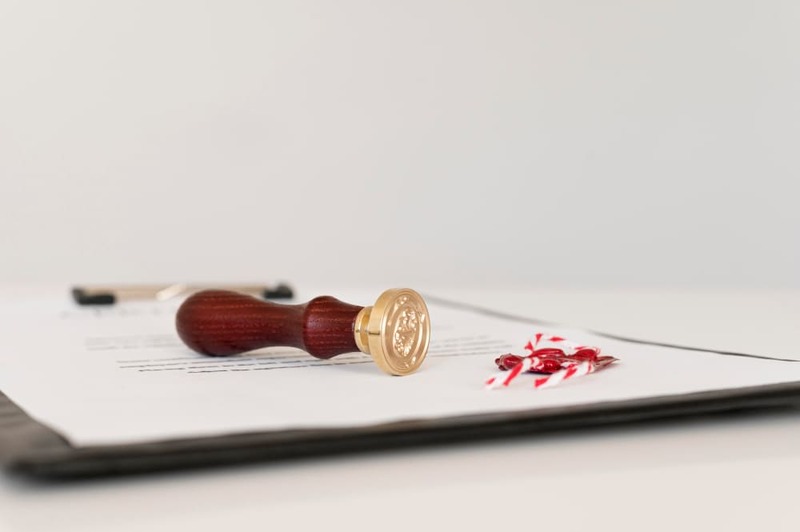
Patents differ significantly from ordinary technical documents because they combine legal language with highly detailed technical information.
Patent documents use legal terms such as claims, prior art, embodiments, and scope. These terms help define and limit the patent holder’s exclusive rights.
Patents also contain complex technical details—spanning engineering, biotechnology, chemical formulas, and software algorithms—that explain how an innovation works.
Word or term errors in claims can change the scope of protection and weaken the company’s legal position.
An example is claim limitation, which occurs when claims are too specific, such as mentioning certain materials that are not actually critical to the function of the invention, thereby narrowing the scope of protection.
Furthermore, ambiguous terms can arise when words or phrases can be interpreted differently, such as ‘efficient’ or ‘adequate’, which risks legal disputes.
Meanwhile, over-generalization occurs when claims are too broad without adequate technical support, potentially leading to invalidation due to insufficient support from the patent description.
Therefore, translating this document requires certified translators to maintain a balance between broad rights coverage and technical accuracy.
This is because even the smallest error can open up legal loopholes for competitors or undermine the strategic value of the patent.
Accuracy Pressure: When One Misplaced Word Becomes a Legal Threat

Source: Freepik.com.
According to theWorld Intellectual Property Organisation (WIPO), accuracy in patent documents must apply a ‘zero-error tolerance’ standard because even the smallest error can lead to legal uncertainty, increased costs, or patent revocation.
This standard is important to properly protect inventions and maintain the credibility of the patent system.
Here are some of the risks faced by certified translators:
- Mistranslation of technical terms → invalidation of patent
A small error can make a claim ambiguous or depart from the inventor’s intention, and when tested at the patent office or in court, it can serve as grounds for invalidating the patent.
- Misinterpreting legal clauses → lawsuit
Patents are not only technical documents, but also contain legal clauses that regulate rights, limitations, definitions, and legal terminology.
Such misinterpretations can trigger legal conflicts, as other parties may sue for infringement, patent invalidity, or different interpretations arising from translations that do not reflect the original legal intent.
- Inconsistencies across patent family → rejection by patent offices
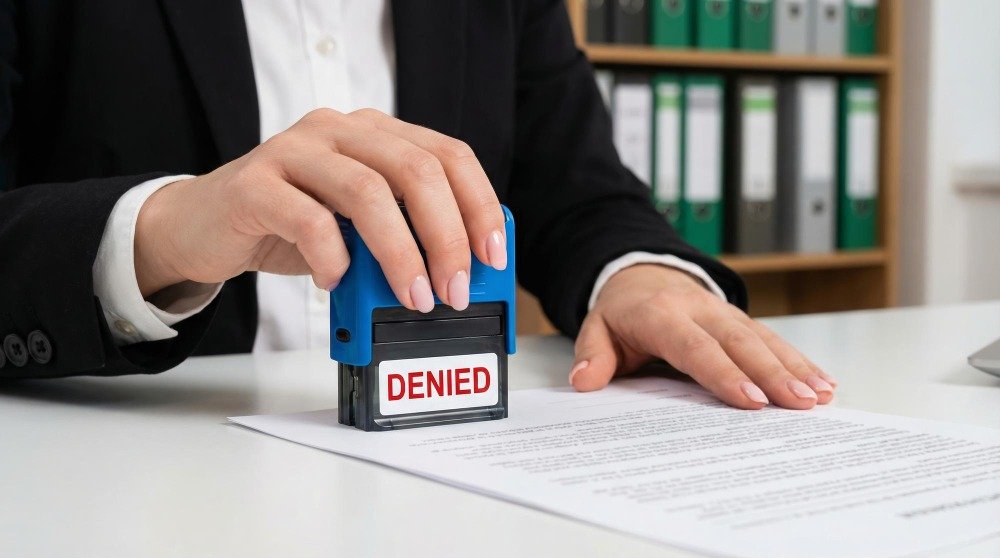
Inconsistencies can cause patent offices in one country to reject applications or consider claims unclear/not meeting requirements, resulting in applications being rejected or patents being deemed invalid in that jurisdiction.
Therefore, the use of specific references — such as IPC codes, WIPO terminology, and bilingual patent databases — is essential to ensure precise, consistent translations that are technically and legally accurate.
Liability and Legal Exposure for Certified Translators
Certified translators are often blamed when patents are rejected or disputes arise, because the documents they translate are considered an important part of the legal or administrative process.
Small errors in translation can have a major impact on the interpretation of the patent’s content, so law firms or companies tend to place the responsibility on certified translators.
Their professional reputation is often at stake, even though the error may have been caused by other factors.
In addition, the legal and financial risks for certified translators are quite significant. They may face claims from law firms or companies related to translation errors, including requests for financial compensation for losses incurred.
In extreme cases, such errors can even lead to the loss of certification licences. Therefore, their role is highly vulnerable to legal claims.
It is important for certified translators to have adequate protection. Liability insurance is one of the key measures to reduce financial risk in the event of a claim.
In addition, signing NDAs with clients can maintain the confidentiality of sensitive information while strengthening the professional position of translators in legal disputes related to certified translations.
Multi-layer quality assurance is also essential to minimise risk. A layered review process, including internal and external reviews, can ensure the accuracy of patent translations before they are submitted.
With a combination of legal protection, QA procedures, and compliance with certified translation standards, the risk of errors can be minimised, protecting the translator’s reputation and financial security.
As a translation service, SpeeQual also does the same things, ensuring to minimise risk through multi-layer quality assurance.
In patents, a single word can change the meaning. SpeeQual ensures that every translation is precise, helping clients protect their intellectual property with confidence.
Skills Gap: Why Not Every Certified Translator Should Handle Patents
Translating patent documents is often considered to be merely a matter of language skills, when in fact the challenges are far more complex.
Many people underestimate the gap between language competence and the technical expertise required.
Patents use specific terminology from engineering, biotechnology, or software architecture that cannot be understood with linguistic skills alone.
In addition, translators must be able to read technical diagrams, understand process flow charts, and recognize scientific and legal terms that are crucial to maintaining translation accuracy. Failure to understand the technical content can lead to misinterpretation and high legal risks.
When technical abilities do not match language skills, the quality of patent translations can be greatly affected.
This makes the patent translation process a job that requires high concentration and extreme precision.
In addition, translators must understand the context of ‘prior art’ so that the translation accurately reflects the innovation, without creating ambiguities that could potentially harm the client or patent owner.
As a result, many certified translators choose to avoid patent translation. The high legal risk, mental strain, and technical complexity make this job unsuitable for everyone.
Professionalism in this field requires a unique combination of linguistic ability, technical understanding, and legal precision, making the gap between language skills and technical competence a determining factor in the success of patent translation.
Expanding Beyond High-Risk Fields: Safer Specializations Like Game Localization
Not all certified translators are suited to handling patent documents, as this work requires a deep understanding of law, technical terminology, and a high degree of accuracy.
The risk of error is so great that not all professionals are willing to take on the responsibility.
As a result, many certified translators are now choosing other fields that are still challenging but safer, such as game localization services.
In this field, complexity remains, for example, cultural context adaptation, technical gaming terms, and storylines, but the legal risks are much lower than with patents.
This choice allows translators to maintain professional quality while significantly reducing pressure.
For game localization needs, SpeeQual offers certified translation services with reliable certified translators.
Not only do they understand the cultural context of the target country, but they also ensure accuracy through a multi-layered Quality Assurance process. This is an effort to deliver precise and accurate translations.




![Preparing technical manuals for the Malaysian market.]](https://speequal.com/wp-content/uploads/2026/09/image-20.jpeg)