
Inclusion today is no longer just a campaign slogan; it has become a standard that must be followed. Features like closed captioning vs subtitling across various visual platforms are no longer optional extras—they are essential. This shift makes visual content accessible to audiences from all backgrounds, including people from different countries, those with hearing difficulties, and the deaf community.
From a business perspective, this is also a strategy to stay competitive in the global market and be accepted by target audiences. For example, when you watch a film on Netflix, you can choose subtitles in your own language. This allows you to understand the movie even if it is not in a language you speak. Similarly, when using video conferencing tools and needing a transcript, or when watching videos on YouTube, you can turn on closed captions to get a written version of the audio content.
So, what exactly are subtitles and closed captions (CC)? Simply put, subtitles are text displays intended for viewers who are assumed to be able to hear the audio, showing only the spoken dialogue in the video. Closed captions, on the other hand, are designed for viewers who are hard of hearing or deaf. They provide a full transcription of the audio, not only including dialogue but also non-speech elements such as sighs, throat clearing, and sound effects. This creates a more complete viewing experience.
To fully understand the differences between the closed captioning vs subtitling, a more in-depth explanation is needed. In the modern media landscape, accessibility is no longer a checklist, it is an audience expander. Discover how mastering Closed Captioning and Subtitling unlocks radical market growth.
Defining the Roles: Who Are You Designing For?
Closed captioning and subtitling are not just lines of text in videos—they each serve different purposes and are designed with specific goals in mind. Subtitles are mainly used to help viewers understand foreign languages while still preserving the original audio of the video. Imagine watching a film in a language you don’t understand at all, without any subtitles—you would likely end up guessing what the characters are saying.
Interestingly, subtitles are no longer used only for foreign language support; they have become a mainstream habit. A YPulse study found that 59% of Gen Z viewers prefer using subtitles, along with 52% of millennials. The Washington Post also reported that about one-third of adults prefer watching videos with subtitles turned on
Closed captioning, however, is specifically designed to provide full accessibility for deaf and hard-of-hearing audiences. It ensures they have equal access to understand visual content. Research from the University of Utah shows that 68.4% of people with hearing impairments regularly rely on captions.
Beyond user preference, these features are also supported by formal regulations that promote accessibility. In many countries—over 40 worldwide—closed captioning is a legal requirement in government and public service communications. One key example is the Americans with Disabilities Act (ADA) in the United States. This includes providing closed captions for any public-facing video content, whether it is shared online or offline, by both public institutions and private companies.
The Power of Context: Beyond Just Spoken Words
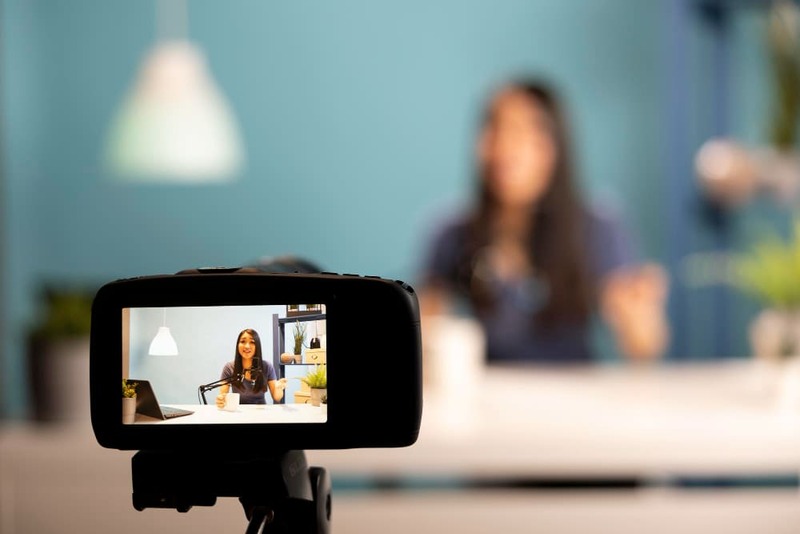
In the discussion of closed captioning vs. subtitling, the role of text in video goes far beyond simply translating or displaying dialogue. Closed captioning offers a more complete experience because it also captures audio elements that help shape the meaning of a scene.
Viewers don’t just read what the characters say, they also understand how it is said. Descriptions such as [angry tone], [speaking softly], or [crying sound] help the audience pick up on emotions that may not be clearly visible on screen. These details make the story feel richer and help viewers better understand character relationships. As a result, the viewing experience becomes more complete, even without the original sound.
In addition, small audio cues like door slamming, rain falling, or background music gradually shifting play an important role in building atmosphere. In the comparison of closed captioning vs. subtitling, these elements are often included only in closed captioning. Footsteps approaching or suddenly tense music can signal that something important is about to happen.
Closed captions translate the atmospheric soundscape, turning the unseen dread of an approaching footstep into a visual cue that preserves the creator’s emotional beats. Nothing important is lost, and the storyline remains fully accessible to all audiences.
Boosting Global Engagement and Content Discoverability

Accurate text usage in digital content has proven to significantly improve audience retention across various platforms. Viewers tend to understand information more easily when dialogue and narration are supported by clear on-screen text. It also helps audiences stay focused, especially when watching in noisy environments or without sound. Beyond improving convenience, text makes messages more memorable because information is delivered through both visual and audio channels at the same time.
In addition, text plays a major role in improving content performance on search engines. Metadata generated from closed captioning and subtitling helps algorithms index content more accurately. Search engines can better understand the context, keywords, and main topics discussed in a video. As a result, the chances of content appearing in search results increase, allowing it to reach a wider global audience.
On the other hand, translation and text adaptation cannot be handled carelessly. Closed captioning and subtitling are not just about displaying words on screen, they also involve preserving emotion, context, and cultural meaning. Literal transcriptions create an ‘uncanny valley’ for the ears; true accessibility requires transcreation that honors local idiom, pacing, and emotional cadence. Local idioms, tone of voice, and conversational nuances are often lost when the process is not managed professionally.
That is why working with an experienced team is essential to maintaining high-quality global communication. SpeeQual understands that closed captioning and subtitling should remain natural, accurate, and inclusive for diverse audiences. With the right support, your business will not only be better prepared to compete in international markets, but also capable of meeting accessibility and inclusivity standards professionally. Trust SpeeQual to deliver content experiences that are more relevant, authentic, and easily embraced by global audiences.
Practical Implementation for Multi-Platform Success
In practice, the implementation of closed captioning vs. subtitling should be tailored to the devices audiences use to watch content. Multi-platform deployment requires dynamic layout scaling; what functions as elegant spacing on a smart TV can easily trigger visual clutter on a mobile feed. Meanwhile, content viewed on large television screens requires proper spacing, font sizing, and contrast to ensure comfortable readability from a distance. For this reason, adapting the format for different devices is essential to maintain a consistent viewing experience across platforms.
Beyond visual presentation, production planning also plays a major role in global content distribution. From the early stages, teams should establish language standards, text synchronization, and regional compliance requirements. With a well-structured workflow, the adaptation process for closed captioning vs. subtitling can be carried out more quickly and efficiently. This allows content to be better prepared for international markets with minimal revisions.
On the other hand, choosing the right professional partner should never be underestimated. Experienced partners understand international accessibility standards as well as the technical details that are often overlooked. They can also ensure that captions and subtitles remain accurate, natural, and easy for diverse audiences to understand.
Conclusion: Empathy as a Strategy for Growth
The discussion around closed captioning vs. subtitling goes beyond technical considerations alone. Both reflect how a brand or creator understands the needs of increasingly diverse audiences. When content is accessible and comfortable for more people to enjoy, the connection between creators and viewers becomes stronger and more inclusive. As a result, accessibility has become an essential part of long-term growth strategies.
Furthermore, empathy in content presentation can create a more positive viewing experience. Audiences feel valued because they can access information without language barriers or hearing limitations. In a global context, this approach also expands distribution opportunities and strengthens content competitiveness across digital platforms. In other words, attention to small details can create a significant impact on business growth.
Amid increasingly competitive industries, accessibility quality has become a value that is difficult to ignore. Inclusive content tends to build stronger audience loyalty while creating a more professional and positive brand image. In 2026, accessibility is the ultimate bridge for growth. Designing with cultural and physical empathy ensures your brand leaves no audience behind.