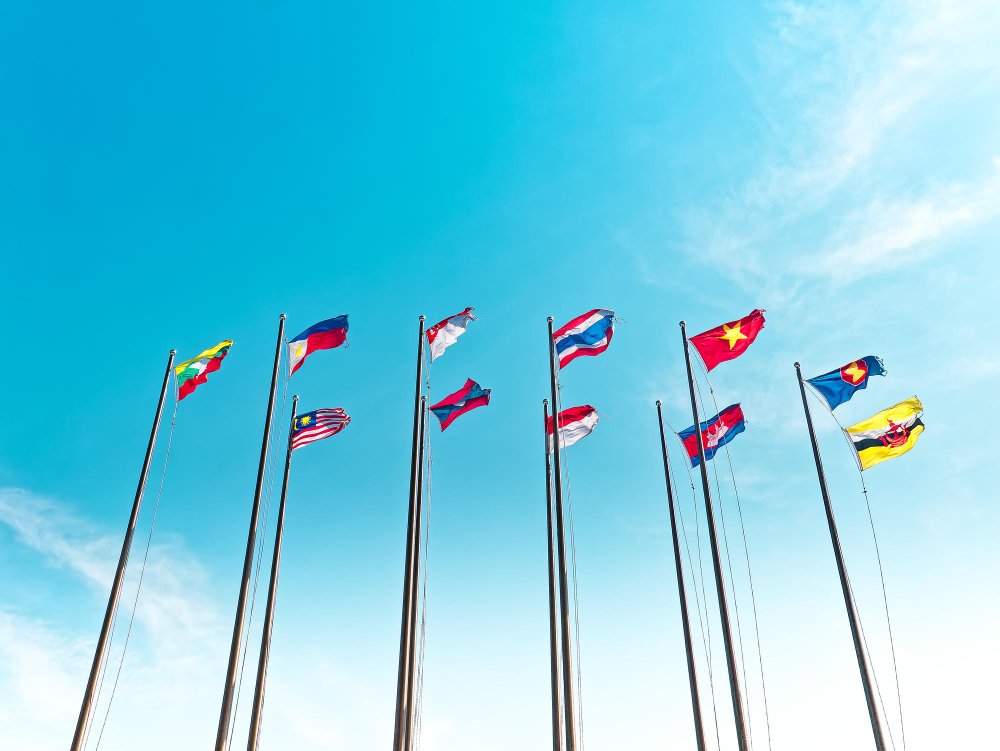

English may be the global language of business, but assuming every user is fluent creates a massive bottleneck. Most SaaS onboarding today is completely self-serve: a welcome video, an in-app tour, or a help center article one click away. It’s effortless on paper, but no amount of automation can bypass a real-world language barrier.
Your product isn’t the problem. Your onboarding video might be. Across Southeast Asia, self-serve onboarding breaks for a reason most teams never diagnose: a language comprehension gap, not a product gap.
Users who cannot follow an English walkthrough rarely file a ticket, they just drop off before your product ever proves its value. This is not a translation problem, it is a software localization gap hiding inside a one-language growth motion.
What SaaS Stands For (and Why the SaaS Industry Runs on Self-Serve)
SaaS stands for Software as a Service, a delivery model built for low-touch, high-volume growth. The SaaS industry has scaled that model by removing humans from onboarding almost entirely.
SaaS Application Examples Built for Self-Serve Onboarding
Billing platforms, CRM tools, analytics dashboards, and project management suites are common SaaS application examples that lean on video and in-app guidance to activate new users.
Why Subtitles Don’t Close the Gap
Subtitles add a second task on top of learning a new tool. Reading dense text while watching a fast-paced demo creates high cognitive load, so users skim or skip subtitles on short onboarding videos, a pattern that matches broader research on language friction.
This comprehension gap in onboarding video rarely reads as a complaint. It shows up as drop-off, avoidable tickets, and soft activation, and few teams trace it back to language.
Software Localization Meaning: Why Subtitles Alone Don’t Solve It
Localized dubbing closes the gap subtitles cannot. Teams that adapt onboarding audio to unlock adoption in the user’s own language see higher completion, because users follow the full explanation instead of guessing at half of it. Time-to-value shortens, tickets drop, and 90-day churn falls, because onboarding stops being the point of failure.
What SaaS Localization Really Changes for Onboarding
SaaS localization applied to onboarding is not a line item on a launch checklist. It changes activation math directly: every point of comprehension recovered in session one is a point of churn that never happens in month three.
Why This Is a Software Localization Service, Not Just Translation
A proper localization service adapts tone, pacing, and cultural reference points, not just words, which is what onboarding audio needs to feel native rather than dubbed over.
Where to Apply It First (and What It Costs)
Prioritize the touchpoints with the highest trial traffic and the least human backup: welcome videos, in-app walkthroughs, help center content, and trial-to-paid sequences.
Website Localization Software and In-App Touchpoints to Prioritize
Website localization software can queue these assets across markets, but the highest-leverage touchpoint sits inside the product: the in-app walkthrough a trial user watches in their first ten minutes.
Localization Software Development Costs vs. Wasted CAC
Localization software development and production are often framed as the expensive line item, but they are modest against a wasted acquisition spend: AI-assisted dubbing now cuts turnaround from weeks to days and cost well below traditional studio dubbing. A trial user who churns over unclear onboarding is a paid-for lead already lost. Track activation rate, time-to-value, ticket volume, and trial-to-paid conversion before and after dubbing goes live.
What to Consider Before Investing
Source: Magnific.com
Not every market needs dubbing on day one. English proficiency varies sharply across Southeast Asia, per the EF English Proficiency Index, and the comprehension gap is widest where proficiency is lowest. Bahasa Indonesia, Vietnamese, Thai, and Tagalog are reasonable starting priorities. For lean teams, a hybrid approach often works best: dub the highest-traffic welcome video, weigh that against a subtitling-only approach for lower-priority content, then expand as usage data justifies it.
Software Localization Translation: Matching Voice Tone to Brand
This localization work has to match brand tone in the target language as closely as the English original, since a mismatched voice can undermine trust in the same session it is meant to build.
Avoiding Localization Software Defects as Products Ship Fast
SaaS products ship updates weekly. Localization software defects, dubbed content that quietly falls out of sync with a changed interface, are the most common failure mode, so a dubbing workflow needs a fast, repeatable update cycle from the start.
How Speequal Helps SaaS Companies
Speequal has applied native-language expertise across Southeast Asia since 1998, with more than 25 years adapting content for local audiences rather than simply translating it. Speequal’s native voice talent covers the priority SEA languages SaaS teams need most, with turnaround built for product release timelines and a workflow that scales with recurring updates rather than one-time projects.
Onboarding built for one language was never finished for a Southeast Asian user base. Localized dubbing closes that last, quiet gap between the product you built and the experience non-English speakers have on day one.
For most companies expanding online, localization is a checklist item under the translation budget, wrapped up before launch. That framing costs them: a growth lever buried in a checklist never gets the budget it deserves.
The real issue is confusing translation with localization. Translation converts words; localization adapts an entire experience, which is why website translation services often get selected alone, with no search visibility plan behind them.
Here is why the practice stays underrated: what it is, the ROI it hides, the local SEO edge most teams skip, and why early movers stay ahead.
What Is Website Localization, and Why Do Businesses Overlook It?
Website localization helps businesses speak to local audiences. Source: Unsplash.com
The term needs defining first, since most oversight starts here. More web languages on a site is a checkbox; adapting each experience is the real work.
Localization vs. Translation: The Key Difference
Translation converts text between languages. Localization goes further: it adapts imagery, currency, and tone so a site feels native to a market. For a new website launching abroad, the gap between website language translation and full adaptation determines whether the budget converts. Headlines often need transcreation and native copywriting, not a literal translation.
Common Misconception: “Our English Site Is Good Enough”
English may be the language of global business, but that does not mean an English-only website is enough. Search engines prioritize language-specific queries, and most buyers rarely persist through an unfamiliar page. A website language check catches revenue that dedicated website translation services would have caught.
The Hidden ROI of Multilingual Website Localization
Once separated, the ROI becomes easy to see.
Trust and Conversion: Consumers Buy More From Sites in Their Native Language
Trust forms before purchase, and language is one of the fastest signals a visitor reads. Localized campaign creative outperforms English-only equivalents by as much as 86 percent in conversion, per localization industry research. Matching the web design language to local expectations compounds that effect, especially with the psychology behind why shoppers trust a localized site.
Reduced Cart Abandonment and Clearer Value Communication
Cart abandonment rarely has one cause, but language sits close to the root. Research on consumer buying journeys found three out of four shoppers drop out when checkout is not in their language. A localized checkout, currency, and value in context is where a real localized content strategy earns its budget.
Long-Term Customer Retention Through Cultural Relevance
Winning a first purchase is one milestone; keeping that customer is another. Support content and renewal emails in the visitor’s language signal an ongoing relationship. Localizing acquisition but leaving retention in English quietly loses customers already won.
Local SEO, the Most Underrated Benefit of All
Multilingual SEO boosts visibility across local search market. Source: Unsplash.com
This is where localization compounds into an acquisition channel.
How Multilingual SEO Unlocks Region-Specific Search Visibility
Keyword Localization and Regional SEO Strategy: Why Keywords Aren’t Universal
The keyword a market searches is rarely a direct translation; shoppers in Mexico City and Madrid both speak Spanish, yet search differently. A regional SEO strategy starts with native keyword research per market, since ranking for the wrong phrase is the same as not ranking.
Technical SEO Essentials: Hreflang, Metadata, and Indexing Pitfalls
Multilingual SEO also depends on technical groundwork. Hreflang tags tell search engines which language version to show a visitor, and Google’s own guidance on managing localized page versions warns that conflicting hreflang sends visitors to the wrong page. Getting the web development language and metadata translated per locale keeps that layer working with the content.
Competitive Advantage and Why Adoption Still Lags
None of this is secret, yet few competitors act on it early.
First-Mover Edge in Local Markets
Research on first-mover dynamics shows early entrants into a localized market lock in brand recognition and raise switching costs, advantages hard to build once a market has an incumbent.
Common Barriers: Perceived Cost, Misjudged Demand, and Lack of In-House Expertise
If the benefits are documented, the gap comes down to three barriers: cost overestimated as a one-time project, demand misjudged since interest rarely shows until a local site exists, and in-house expertise missing, the gap a dedicated language service provider closes.
How to Get Started With a Multilingual Website Localization Strategy
Getting started does not require localizing everything on day one; start with pages closest to revenue, then expand market by market. A structured, step-by-step approach keeps the project from stalling. SpeeQual has supported this approach with native linguists and technical SEO expertise since 1998.
Key Takeaways & FAQ
1. Localization adapts the whole experience, not just the words.
2. ROI shows up in trust, conversion, and reduced cart abandonment.
3. Local SEO, hreflang, and regional keywords are the most underused levers.
4. Early adopters gain a compounding edge that is costly to catch up to.
5. Start with revenue-facing pages, then expand market by market.
Is localization the same as translation?
No. Translation converts words; localization adapts the whole experience, imagery, currency, tone, and search, so the site feels native.
How does it affect SEO rankings?
Search engines rank language versions separately. Multilingual SEO, hreflang, and localized keywords determine whether local search results include the site.
Should I localize the whole site or just key pages?
Start with pages closest to revenue, pricing, checkout, and top landing pages, then expand as demand data confirms it.
Can I reuse keywords across language versions?
Rarely. The same product is often searched differently across regions, so each market needs its own research.
The case for localizing a website rarely gets made in one place: conversion, search visibility, retention, and market share live in separate reports. Get in touch with SpeeQual’s team to scope a multilingual rollout built around where your customers are searching.
What makes global content feel local? Often, it’s not the visuals—it’s the voice. As businesses expand into new markets, voice-over localization ensures that videos, training materials, and advertising campaigns sound authentic to every audience.
For teams overseeing multilingual launches, voice-over translation should not be an afterthought. It plays a key role in shaping whether localized content feels authentic, credible, and genuinely native to its audience.
Get it right, and localized voice-over becomes a driver of expansion. Get it wrong, and even a well-translated script sounds foreign in the worst way. Here is how voice-over localization actually works, and how to plan for it.
Why Voice-Over Localization Is Business-Critical for Global Content
Voice-over translation is the process of adapting spoken audio, dialogue, narration, or voice prompts into a new language while preserving tone, timing, and intent. It goes beyond a literal script translation: word choice, pacing, and delivery all have to match how the target audience actually speaks and listens.
The scale of investment behind this work reflects how central it has become. The global language services market, which includes audiovisual localization, is forecast to reach USD 96.97 billion by 2031, with streaming platforms, game publishers, and social platforms cited as key drivers of demand for multilingual media. For product and marketing leaders, that growth signals a shift: this is no longer a post-production afterthought; it is part of how a market entry strategy succeeds or stalls.
That is precisely where experience matters. Since 1998, SpeeQual has supported enterprise teams with translation and language services. Over time, one pattern has remained clear: content that sounds native converts better than content that merely translates correctly.
How Localized Voice-Over Wins International Audiences
Localized voice-over creates a seamless streaming experience across languages. Source: Magnific.com
Global streaming platforms did not standardize dubbing because it was easier; they did it because it converts. Industry analysis of how streaming services decide between dubbing and subtitling shows dubbed content consistently outperforming subtitled content in markets that culturally prefer to watch rather than read, driving up completion rates and retention.
The same logic applies outside entertainment. Product demos, onboarding content, and training material perform better in-market when the audio itself, not just the captions, matches the local language. A viewer reading subtitles while absorbing new information is doing two jobs at once; one hearing a natural, native voice-over can focus fully on the content.
This is why voice-over localization increasingly sits inside a broader multimedia localization strategy rather than as an isolated deliverable. Video, audio, and text need to move together, or the experience feels disjointed the moment one element lags behind the rest.
Types of Voice-Over Localization You Should Know
Selecting the best voice-over localization type for different content formats and budgets. Source: Magnific.com
Not all voice over translation looks the same, and the type used depends on the format and the budget.
Full dubbing replaces the original audio entirely; the dubbing voice is matched to the speaker’s lip movements, making it the most immersive option and the standard for film, TV, and high-production video, though also the most resource-intensive.
Voice-over narration layers translated audio over a lowered original track, common in documentaries, corporate training, and interviews, where lip-sync accuracy matters less than clarity. Off-screen and IVR (Interactive Voice Response) voice-over covers non-visual audio such as phone prompts and e-learning narration, where clarity and pacing carry the whole experience.
The voice actor is the single biggest variable in how localized content lands. A native speaker with the right accent, age range, and delivery style can make a script feel like it was written for that market. A mismatched voice, even paired with a flawless translation, breaks the illusion instantly.
For B2B and enterprise content specifically, tone matters as much as accent. A voice over artist who sounds too casual, too young, or too regional can undercut a brand’s authority in a new market just as easily as a mistranslated term.
Teams building this process from scratch should treat casting as its own step, with auditions, sample scripts, and stakeholder sign-off before full production starts. To streamline your selection process, reference this practical framework on selecting the right multilingual voice-over talent.
How to Localize Voice-Over: A Practical Process
A reliable localization workflow generally follows five steps: script adaptation, voice casting, recording under professional direction, synchronization and quality review, and final delivery in the required format.
Adaptation is where most quality issues start. A word-for-word script often runs longer or shorter than the original audio, forcing awkward pacing fixes later. Adjusting for length and rhythm before recording saves both cost and rework.
Quality review should check three things: linguistic accuracy, timing or sync alignment, and whether the delivery still matches the brand’s tone. Skipping this step is the most common reason localized video comes back for revision.
Catching these issues early saves budget and keeps launches on track, but it also highlights a bigger picture. Audio localization is not a post-production checklist; rather, it is a deliberate approach that influences how audiences interact with your brand.
Every decision matters, from choosing the right localization format and voice talent to developing a review process that ensures quality as content scales. Effective market expansion starts with localization built into the workflow, not treated as a final production task.
SpeeQual runs voice-over and dubbing projects for enterprise clients across Southeast Asia and beyond, using native voice talent and a structured TEP-based review process to keep quality consistent from project to project.
Planning a localization project that includes voice over translation? Talk to SpeeQual’s team to scope casting, recording, and QA for your next market launch.
Two women working at a desk looking at an e-commerce screen, illustrating multilingual content marketing localization in SEA. Source Image: Magnific.com
Almost 50% of web visitors walk away the second they run into language friction. That is a massive deal in Southeast Asia, where the digital economy has blown past $300 billion and 680 million online shoppers are browsing across a dozen languages. For any business expanding into the region, multilingual marketing is no longer optional.
Yet most teams still treat the work as a straightforward translation task: take the English campaign, swap the words, and publish. The result reads correctly but feels foreign, campaigns that reference idioms with no local equivalent, imagery that misreads local etiquette, or calls to action that fall flat on target shoppers in Jakarta, Kuala Lumpur, or Ho Chi Minh City.
To truly make an impact in SEA, successful brands embed content localization into their strategy right from day one, not the day after launch. Here is a breakdown of how that works in the real world.
What Multilingual Marketing Really Means in a SEA Context
Southeast Asia is not a single market with one language and one customer profile. Indonesia alone has over 270 million people communicating primarily in Bahasa Indonesia, while Malaysia blends Malay, English, and Chinese language preferences depending on the audience segment. Thailand, Vietnam, and the Philippines each carry their own linguistic and cultural expectations. True SEA localization is more than just translating words. A campaign built for one market rarely succeeds in another without deep cultural adaptation.
That is why authentic cultural adaptation in marketing matters more than word for word accuracy. A tagline that lands in Manila can fall flat in Jakarta if the humor, formality, or reference point does not carry over. When handled properly, localization feels like authentic local conversations rather than a copy of the original campaign.
Building a Content Localization Strategy That Converts
Diverse team in a meeting discussing data reports and laptops to plan a high-converting content localization strategy. Source Image: Magnific.com
Turning that principle into a repeatable process requires more than a translation vendor. It requires a localization partner that understands both the language and the commercial intent behind every piece of content, from ad copy to product pages, so that the results stay consistent as new markets get added.
Start with Market Expansion Priorities, Not Language Lists
Before writing a single localized headline, decide which SEA markets actually matter to the business this year. A common mistake is localizing content into every regional language at once, which spreads the budget thin and slows every market down. Prioritizing markets by revenue potential, competitive gap, or existing demand signals lets a team go deep in two or three markets before scaling wider. This is also where multilingual copywriting for cross-border market entry earns its keep. It is not simply translating the flagship market copy, it is writing content built for the destination market’s buying psychology from the start.
Localize the User Experience, Not Just the Copy
A great user experience goes beyond blog posts and product listings. It covers every touchpoint, including checkout flows, currency displays, date formats, customer support, and local trust markers. The psychology behind website localization shows that online credibility is judged within seconds. Displaying USD pricing or a foreign contact form instantly ruins any progress made by translation alone.
Common Mistakes That Undermine Multilingual Campaigns
Even teams that invest seriously in multilingual marketing repeat a handful of mistakes that quietly cap their results in SEA. The most common ones include:
Treating translation as the finish line, when consumer language research shows that visitors judge more than wording. They judge whether the entire experience feels native to them.
Skipping the terminology and quality practices maintained by the global localization industry association, which leads to inconsistent product names and messaging across markets.
Ignoring competitor tone and channel choice in the destination market, so campaigns read as clearly imported rather than locally built.
Fixing these four mistakes doesn’t take a bigger budget. It just takes a process that views each market as its own audience rather than just swapping words.
Measuring ROI from Localized Marketing Campaigns
Close-up of a person saving coins in a clear jar to illustrate calculating returns on localized marketing investments. Source Image: Magnific.com
Multilingual campaigns only earn a continued budget when results can be measured. With Southeast Asia’s digital economy now bringing in over $135 billion a year and growing at double-digit rates, the potential payout for brands that truly nail their localization is massive. On the efficiency side, localization ROI research has found that companies automating their translation and localization workflows can see returns above 300% within a few years. Most of those gains come from faster turnaround times and eliminating the need to redo campaigns.
Track conversion rate, time on page, and support ticket volume by market and by language, not just in aggregate. A campaign that performs well in Indonesian but underperforms in Vietnamese is not one result. It is two different signals that call for two different fixes.
Multilingual marketing in SEA is not a one time translation project. It is an ongoing investment in how a brand shows up, market by market, in front of people who expect localized content built for them. SpeeQual has supported translation, localization, and marketing transcreation projects across Southeast Asia since 1998, giving brands more than 25 years of on the ground experience in exactly this kind of global content strategy work.
Ready to localize your marketing for SEA? Talk to our team about a tailored content localization plan, or explore our translation and localization services to see how we support multilingual campaigns end to end.
Singapore’s digital economy has expanded to 18.6% of GDP, up from 14.9% just a few years back. A massive part of that expansion relies on software built for an audience that uses English, Mandarin, Malay, and Tamil all at once. A common mistake product teams make in Singapore is launching an English-only version and believing localization isn’t necessary. But when adoption stalls outside English-speaking users, they are caught off guard.
That’s why early planning for software localization turns a Singapore launch into real adoption. Below, we break down the process, costs, and how to calculate the ROI before budgeting.
What Software Localization Means for Businesses Entering Singapore
Software localization goes far beyond converting text. It is about personalizing the whole software experience. This includes UI text, date formats, numbers, and currency, making the app feel like it was built locally. For Singapore, that usually means supporting English, Simplified Chinese, Malay, and Tamil within a single build, while matching a business culture that expects precision over marketing flourish.
This is different from a one-off translation job. SpeeQual treats localization as an ongoing partnership rather than a one-time deliverable. Since software evolves in versions, every new release brings fresh text and new risks of breaking language consistency. Whoever manages localization for Singapore is tasked with keeping consistency intact release after release. They must be able to bridge the gap between engineering, product, and translation partners so nothing ships untranslated or half-adapted. When executed well, this unlocks global user adoption in a way literal translation alone never can touch. After all, users only truly trust software that feels built specifically for them.
The Localization Process for Software, From Translation to Testing
To prevent expensive rework down the road, a successful project typically moves through a three-stage workflow.
Scoping and Internationalization Readiness
Before any text gets translated, engineering needs to confirm the codebase is internationalization ready: strings extracted into resource files, UTF-8 encoding throughout, and enough flexible space in the interface for text that can run 20 to 30% longer in some languages. Skipping this step is the most common reason localization projects run over budget, since retrofitting a hardcoded string years into a product’s life costs far more than building it correctly on day one.
Translation, Adaptation, and Software Localization Services
Once the codebase is ready, professional localization services then take the lead. Native linguists translate and adapt content through a TEP (Translation, Editing, Proofreading) workflow, working from CAT tools and industry-standard localization file formats such as TMX and XLIFF to keep translation memory consistent across every future release.
Software Localization Testing and Quality Assessment Process
The most underestimated phase here is testing. It requires three critical steps, including linguistic QA for translation accuracy, functional QA to ensure nothing breaks as text expands, and visual QA to verify layout alignment in scripts like Chinese and Tamil. One developer guide to structuring localization recommends separating localizable content from application logic, thus keeping testing scalable without full manual QA passes on every release. SpeeQual applies the same discipline in its own software localization best practices, treating QA as a scheduled stage rather than a scramble before launch.
What Localization Costs in Singapore, and the ROI It Delivers
Turn localization into an investment and win the market. Source Image: Magnific.com
Cost is usually billed per word for translation and editing, plus separate line items for engineering support and QA testing hours. Full-stage localization across four languages typically costs five figures for enterprise projects. That estimate can shift quickly depending on volume, complexity, and how much translation memory can be reused.
What most procurement teams miss is that the return rarely shows up in the localization line item itself. That value is backed by a $52 billion global language services market, where localized products consistently out-convert English-only competitors. Companies that treat localization as infrastructure rather than overhead naturally win. With Singapore’s digital economy now driving 18.6% of its GDP, the target audience is only growing. Ultimately, ROI should compare costs against incremental conversion and retention, not against the illusion of saving money with an English-only build.
Singapore’s Data Localization Law: What Your Team Needs to Know
Unlike several regional peers, Singapore does not impose a blanket data residency mandate under the PDPA. Singapore does not enforce strict data localization. Instead, its Transfer Limitation Obligation allows cross-border data flows, provided the receiving party meets PDPA-level protection through mechanisms like Binding Corporate Rules or APEC Cross-Border Privacy Rules. However, strict industry rules still apply to banking, insurance, and healthcare data. Cross-border transfer exceptions are often narrower than teams assume, making it critical to confirm compliance before choosing your hosting architecture.
Software localization in Singapore is not a single project with a fixed price tag. It is an ongoing discipline that pays back through adoption, trust, and retention in a market that expects to be served in its own languages. SpeeQual has applied a TEP-based localization process across Southeast Asia since 1998, more than 25 years of matching that discipline to local nuance rather than machine-literal translation.
Ready to scope a localization project for your software in the Singapore market? Get in touch with SpeeQual’s team for a project estimate built around your product’s actual language and testing needs.
In Malaysia, a single marketing message does not always speak to everyone in the same way. One study explains that Malaysia is a multicultural and multilingual society where Bahasa Malaysia, English, Mandarin, and Tamil coexist. Language use is also closely connected to ethnic identity, while vernacular languages play an important role in shaping that identity. This diversity makes Malaysia a complex yet attractive market for businesses. With economic growth projected to reach 4.2% in 2026, according to the OECD, the opportunities are becoming even greater.
However, these opportunities also come with challenges. Brands need to maintain their global identity without overlooking differences in language, culture, and the way consumers receive and interpret messages. A single-language approach can reduce the relevance of communication in a diverse market. For this reason, multilingual marketing can be considered an effective strategy for the Malaysian market. It can help brands communicate in ways that align with the language preferences, cultural values, and contexts that are more familiar and acceptable to local communities.
With the right strategy, brands can build stronger connections, increase trust, and create new commercial opportunities. This article explores effective and relevant multilingual marketing strategies that align with the unique characteristics of the Malaysian market.
Why Localization Strategy Matters in Malaysia
In Malaysia, effective marketing messages depend not only on language, but also on how audiences understand and respond to them. For this reason, a localization strategy should begin with an understanding of local culture and consumer behavior, including the use of Rojak language in everyday communication. For global brands, simply translating a message may not be enough. The way the message is delivered also needs to be adapted so that it feels genuinely relevant to Malaysian audiences.
This makes the distinction between literal translation and language localization important. Adaptation involves the choice of terms, communication style, level of formality, and emotional nuances. When the local context is overlooked, promotional materials may sound stiff, unnatural, or even lose their intended commercial meaning. Messages therefore need to be adapted without changing the main objective they are intended to convey.
This balance can be seen in Domino’s Pizza’s approach to adapting its communication and promotions to the characteristics of the Malaysian market. This example shows that localization is not simply a final step after the marketing materials have been created. It needs to be part of the marketing strategy from the beginning so that brand consistency and local relevance can work together.
Adapting Marketing Materials for Malaysian Audiences
Because each channel has its own character and purpose, marketing materials for Malaysian audiences need to be adapted to the context in which they are used. Brochures can focus on information that is concise and easy to understand, while landing pages need to establish relevance from the very beginning. The same approach also applies to email marketing, social media, sales presentations, and campaign materials.
Although the format of each communication may differ, every piece of content should still convey the brand’s core message consistently. At the same time, the choice of words, sentence structure, and communication style can be adjusted to sound more natural to the local target audience. This helps the message feel less like a direct translation while still preserving the brand’s identity and communication objectives.
Marketing Material Translation with Brand Voice in Mind
Marketing material translation is a strategy to shape perception. Image source: magnific.com.
A single word can determine whether a brand feels familiar or distant. The main challenge in marketing material translation is preserving a brand’s identity, emotion, and persuasive power without making the result sound like a translation. For Malaysia’s diverse market, messages need to be adapted to local culture and communication styles. Unlike general translation, every word in marketing content serves a purpose: shaping perception and encouraging action.
That is why the campaign context, target audience, positioning, and commercial objectives need to be understood before the process begins. Content translation should also cover headlines, calls to action, slogans, product descriptions, and promotional messages as a whole to ensure consistency. For instance, Generali localised the slogan “Here. Now” as “Kini di sini” for an OOH campaign, making the message feel more relatable to the way people in Malaysia communicate.
The need for fast content production has led many brands to rely on automated translation. While this approach is efficient, it can sometimes overlook brand nuances and cultural context. Linguistic review and validation therefore remain important to ensure that the final content is accurate and sounds natural. This principle should be applied across all digital touchpoints, especially websites.
Building Localization Website Experiences
Having the right marketing message is not enough to create a relevant customer experience. Consumers judge a brand based on their overall interactions with it. Website localisation involves adapting the language, content structure, navigation, calls to action, information formats, and messaging to meet the expectations of Malaysian users. CSA Research, as cited by Slator, found that 40% of consumers will not buy from websites in other languages. This makes it important for the website experience to feel familiar and easy to use.
Consistency across websites, advertisements, emails, and sales materials also strengthens a brand’s credibility. When every touchpoint uses aligned language, messaging, and positioning, consumers receive a more cohesive experience. On the other hand, inconsistent terminology or communication styles can create doubt.
Bringing Marketing Kits Together for Local Campaigns
Marketing kits are necessary for campaign run seamlessly. Image source: magnific.com.
Imagine a single campaign being delivered in several languages, yet carrying different messages. How can potential customers recognize that they are seeing the same brand? This is why companies need a structured marketing materials system when running multilingual campaigns in Malaysia.
Marketing kits help bring brochures, sales decks, email templates, social media copy, product sheets, and promotional materials together under one clear strategy. Each asset serves a different purpose, but all of them support the same campaign message.
Consistency also needs to be maintained in terminology, communication style, and brand messaging, even when materials are used in different formats or languages. The challenge becomes greater when multiple teams or vendors are involved. Without clear management, terminology and messaging can easily change. Companies therefore need to use glossaries, translation memory, brand guidelines, and a structured approval process. This system helps speed up production and reduce unnecessary revisions.
These needs also extend to offline activities, especially exhibitions and business events. This is where effective marketing collateral management becomes increasingly important in maintaining consistent brand communication.
Preparing Marketing Material for Trade Shows
When a brand interacts directly with potential customers, its materials need to be easy to understand and remain consistent. Trade show marketing materials, such as booth graphics, brochures, product sheets, presentation slides, and handouts, should work together as one cohesive set. The message should be clear and relevant to audiences with different language backgrounds.
Consistency between physical materials and digital communication after the event is also important. This helps potential customers receive the same message as they continue their journey after the trade show.
Localization Management Across Marketing Channels
A single message can sound different when presented in multiple languages. Hence, the success of a multilingual strategy depends not only on translation quality but also on the consistency of the processes used to manage it. Localization management helps companies organize workflows, reviewers, timelines, terminology, content versions, and approval processes in a more structured way.
The challenge of maintaining relevance becomes even greater when companies use multiple channels in different languages. Inconsistent content versions can cause a campaign message to change from one touchpoint to another. This is where effective localization management becomes important. Website content translation also needs to align with campaign content so that consumers receive a consistent message across websites, social media, and other marketing channels.
These needs highlight the importance of incorporating localization processes into marketing workflows in a more structured way. With a clear process in place, teams can reduce version inconsistencies, speed up the review process, and maintain message quality across different markets. This is an important foundation for integrating language requirements into the broader marketing strategy.
Integrating a Localization Business into Marketing
Business localization should ideally be integrated from the campaign planning stage. Coordination between the marketing, content, localization, and local review teams helps ensure that the message remains consistent. A connected workflow can also reduce revisions and speed up the production of materials in various formats.
Working with a partner that understands the marketing context and target audience in Malaysia can provide significant added value. This is where SpeeQual comes in, helping integrate language and localization needs into your company’s marketing process. Through its multilingual marketing services, SpeeQual helps develop strategies that ensure promotional materials are prepared consistently, remain relevant, and are ready to reach Malaysian audiences more effectively.
Localization in Translation for Culturally Relevant Marketing
A message that is understood is not necessarily a message that feels familiar. This is where cultural relevance becomes an important factor in distinguishing between content that is simply understandable and content that can truly connect with an audience. Localization in translation helps brands adapt cultural references, idioms, tone of voice, and even the way product benefits are communicated so that they are more relevant to the target market.
However, global brands often face a dilemma. Should every element of a campaign be changed to make it feel local, or should the global concept be preserved entirely? The right approach usually lies somewhere in between. Global consistency should be maintained, while certain elements can be adapted based on the campaign’s objectives and the characteristics of the audience. This allows the message to retain a strong identity while still feeling culturally relevant and relatable.
Evaluating Promotional Material Examples
Comparing promotional material examples can highlight the difference between literal translation and marketing adaptation. For example, the headline “Refresh Your Day” could be translated as “Segarkan Harimu,” but “Bikin Harimu Lebih Fresh” may sound more natural to certain audiences. The CTA “Get Started” could be translated as “Mulai Sekarang,” rather than “Dapatkan Dimulai.”
Slogans and descriptions of product benefits should also preserve the purpose and impact of the original message, rather than simply following the structure of the source language. Evaluation should consider accuracy, naturalness, cultural relevance, and commercial potential.
Conclusion: Competing in Malaysia Through Multilingual Marketing
The Malaysian market requires a more thoughtful approach than simply translating marketing materials. The success of multilingual marketing for Malaysia depends on a brand’s ability to keep its messaging relevant linguistically, culturally, and commercially. For this reason, a localization strategy and high-quality marketing material translation need to work alongside effective asset management and consistency across channels. This approach helps companies deliver stronger and more relevant messages to local audiences.
With a consistent communication foundation, companies can build trust more naturally in the Malaysian market. Integrating multilingual marketing for Malaysia into the broader business strategy also strengthens a brand’s readiness to meet the needs of diverse audiences. This strategy provides companies with a stronger foundation for sustainable competition and for building stronger relationships with local consumers.
Speed alone is no longer enough to compete in the global market. Companies are now expected to deliver products that feel relevant to users in every country. This is why software localization has evolved into a far more strategic process than simply translating a user interface. AI helps accelerate translation, reduces repetitive work, and enables faster product launches across multiple markets. It also allows teams to manage growing volumes of content more efficiently without slowing down delivery.
Despite these advantages, AI in localization cannot replace every aspect of human expertise. Translation quality can still vary depending on context, while terminology consistency requires careful oversight. Large language models (LLMs) also have limitations when it comes to understanding cultural nuances, product identity, and user preferences across different regions. For this reason, every output should go through a proper review process to ensure accuracy and maintain a high-quality user experience.
With this in mind, software localization strategies in 2026 are no longer built around AI alone. Success depends on combining artificial intelligence, linguistic expertise, and efficient workflows into a single process where each element supports the others. This article explores the opportunities AI brings, its current limitations, and best practices for building a scalable localization workflow through a Machine Translation Post-Editing (MTPE) approach.
What Is Software Localization and Why It Matters More Than Ever
Reaching global markets in 2026 requires more than simply translating text. This is why understanding what software localization is essential. Software localization is the process of adapting software to meet the language, cultural, and user expectations of a specific target market. One study explains that software localization describes the linguistic and cultural adaptation of software products to a specific market scenario. This approach enables companies to deliver a more relevant and intuitive experience for local users.
To achieve effective localization, the process involves much more than software localization translation. It also includes adapting the user interface, user experience, date and time formats, currencies, units of measurement, and compliance with local regulations. Together, these elements ensure that the software feels natural and familiar to users. This allows them to interact with the software smoothly, without barriers caused by language or cultural differences.
A similar concept applies to what app localization is, although its scope is limited to applications, including both mobile and web apps. Software localization, on the other hand, covers a much broader range of software products. Understanding this distinction is important for choosing the right localization strategy based on the type of product being developed.
This distinction is also closely related to software development localization, an approach that takes localization requirements into account from the very beginning of the software development process. By planning for localization early, developers can design features, architecture, and content that are easier to adapt for multiple languages and markets. This proactive approach minimizes the need for extensive changes later on while helping companies deliver a more consistent user experience across different regions.
How AI in Software Localization Is Transforming Global Product Releases
AI in localization has transformed software localization workflows from largely manual processes into more automated ones. Various stages, from translation to quality assurance, can now be completed in significantly less time. This allows localization teams to focus on cultural adaptation, language style, and final quality to ensure the content remains relevant for each target market.
This shift has also made global product launches more efficient. AI can process thousands of strings, user interface elements, and documentation simultaneously while maintaining consistency across the output. By automating repetitive tasks, organizations can reduce operational costs and shorten release cycles. It also becomes easier to scale localization efforts as the number of supported languages and the volume of content continue to grow.
One of the most widely adopted AI use cases in software development is AI-assisted translation. This technology generates initial translations automatically while considering the context of each sentence, making the translation process faster and more efficient. The output is then reviewed by localization teams to ensure its accuracy and suitability. One of the best-known software localization examples is Airbnb, which uses AI-assisted translation to translate messages between hosts and guests in real time across 60 languages, making cross-language communication smoother.
The adoption of this technology has also contributed to the growth of the AI localization industry. More companies are adopting AI to accelerate localization while maintaining product quality as they expand into an increasingly competitive global market.
Why AI Content Localization Still Has Its Limits
Human in AI content localization implementation helps meet user expectations. Image source: magnific.com.
Many companies are increasingly relying on AI to speed up the localization process. Although AI-powered content localization can improve efficiency in software localization projects, it cannot fully replace human linguists. AI is highly effective at translating large volumes of content and handling repetitive tasks. Even so, it still cannot understand intent, context, emotion, or communication goals with the same level of accuracy as a human. Human linguists remain essential to ensure that localized content sounds natural, is linguistically accurate, and meets user expectations.
These limitations stem from the fact that language models can still produce hallucinations, apply inconsistent terminology, or misinterpret user interface context. AI also struggles to adapt content to cultural differences, legal wording, and brand voice, all of which must remain consistent across products. For this reason, machine-generated translations still require thorough review before they are ready for publication.
This is where human review becomes an essential step in the localization workflow. It helps ensure that every translation is accurate, natural, and appropriate for the target market. At the same time, the question of what is AI in software testing has become increasingly relevant in localization QA. AI can detect broken UI elements, text overflow, missing strings, layout issues, and functional bugs after the translation process is complete. Even so, it serves as a valuable addition to quality assurance rather than a replacement for linguistic review.
Understanding these limitations helps companies build a more balanced localization workflow. Combining AI with human expertise through a Machine Translation Post-Editing (MTPE) approach allows organizations to improve efficiency while maintaining translation quality, consistency, and a positive user experience.
A Practical Guide to Software Localization with AI and MTPE
Practical guide to software localization helps maintain the final output. Image source: magnific.com.
Understanding the limitations of AI does not mean reducing its value. Instead, businesses can achieve better results by adopting a workflow that combines the speed of AI with human validation through Machine Translation Post-Editing (MTPE). As a practical guide to software localization, this approach helps improve efficiency while maintaining the quality of the final output.
Software Localization Process from AI Translation to MTPE
The process begins with content extraction, ensuring that all user interface elements are ready for translation. Next, machine translation produces the initial draft, supported by terminology management to keep key terms consistent across the project. The translated content then goes through human post-editing, or MTPE, where linguists refine the text to make it sound natural, fit the intended context, and remain easy to understand. After that, linguistic QA reviews the language quality, while functional QA checks the interface, layout, and functionality before deployment.
For many types of content, MTPE is a more cost-effective option than full human translation. It helps maintain the quality of software localization translation while reducing both turnaround time and costs. This is why MTPE-based workflows have become increasingly common in AI content localization projects that require fast delivery without compromising accuracy.
Although AI plays an important role, successful localization still depends on thorough quality assurance and the expertise of professional linguists. Careful review ensures consistent terminology, accurate context, and a smooth user experience. By combining AI with human expertise, businesses can streamline the localization process while delivering high-quality content that meets the needs of different markets.
How to Choose the Best Software Localization Service for Long-Term Growth
Choosing a software localization service involves more than comparing prices. This decision directly affects product quality and your ability to expand into global markets. The right vendor should be able to manage the entire software localization process, including AI-powered workflows, MTPE, linguistic QA, functional QA, terminology management, data security, and continuous localization to keep application updates consistent across all languages.
With these factors in mind, vendor evaluation should take a comprehensive approach. Look for a provider with proven experience in your industry, a well-defined quality assurance process, and technology that can adapt to your project’s requirements. It is also important to choose a vendor that can support multiple languages, maintain consistent terminology, and scale its services without compromising quality as your localization needs continue to grow.
To make the evaluation process more structured, use a simple checklist. Review the vendor’s project experience, quality assurance standards, data security practices, technology capabilities, multilingual project management expertise, and workflow flexibility. This approach helps businesses select a partner that meets their current needs while supporting long-term global expansion plans.
By taking this approach, companies can build a more efficient and sustainable localization process. Through its software localization service, SpeeQual helps organizations create faster and more scalable workflows by combining AI, MTPE, and experienced human linguists. This balanced approach maintains high-quality localization while making global expansion more manageable and sustainable.
Conclusion: Preparing Software Localization for the Next Stage of Global Growth
AI has created new opportunities for software localization, but the best outcomes still depend on the right strategy, a well-structured workflow, and close collaboration between technology and human expertise. This combination helps maintain accuracy, context, and consistency across different markets, making the localization process more effective.
With this foundation in place, the MTPE approach offers a balanced solution by combining efficiency, quality, and scalability, making it one of the leading best practices for software localization in 2026. Software localization goes beyond translation. It is a long-term investment that strengthens the user experience while supporting business growth and global expansion.
A single well-crafted message can open opportunities in the global market, while a single mistranslation can undermine the trust of potential customers. As more businesses expand into international markets, many still rely on literal translation. Although this approach may produce grammatically correct content, it often fails to reflect the mindset, cultural norms, and expectations of audiences in the target market.
This issue frequently causes marketing messages to lose their cultural context, making it difficult to establish an emotional connection with potential customers. That’s why the brand’s value is not communicated effectively, and market responses may fall short of expectations. This is why marketing translation services play a vital role in helping businesses deliver messages that are not only accurate but also culturally relevant to the preferences, values, and communication styles of local audiences.
Given these challenges, an effective translation strategy must go beyond simply choosing the right words. Every piece of marketing content should also be aligned with its communication objectives and the expectations of the target market. This article explores the foundations, implementation, and evaluation of marketing translation strategies to help businesses achieve sustainable growth in international markets.
Translation for Marketing: The First Step Toward Meaningful Global Communication
Translation for marketing is a strategy to improve brand message. Image source: magnific.com.
The right message can unlock opportunities in the global marketplace. Before adapting marketing materials for international audiences, businesses must recognize that effective cross-cultural communication goes far beyond word-for-word translation. Every message should feel natural and resonate with audiences in the target market. This foundation determines whether a brand can establish meaningful and relevant connections with its customers. For this reason, translation for marketingis an essential first step that should never be overlooked.
Once this foundation is in place, the next step is to ensure that every message remains authentic and engaging when it reaches audiences from different cultural backgrounds.
Translation for Marketing as the Key to Authentic Brand Messaging
Many companies still rely on literal translation. While the wording may be technically accurate, slogans, headlines, and promotional messages often lose their emotional impact. As a result, the content can sound awkward and create an uncanny valley effect. Translation for marketing takes a different approach by adapting language to align with local communication styles, cultural context, and the expectations of the target audience. It also preserves the brand’s tone of voice, identity, and emotional value, ensuring consistency across markets.
A good example is McDonald’s collaboration with BTS through the BTS Meal campaign in Indonesia, Malaysia, Singapore, and the Philippines.According to Investing.com, By leveraging the popularity of K-pop across Southeast Asia, the campaign delivered a brand message that felt relevant and relatable to local consumers. This kind of strategic adaptation provides a strong foundation for companies seeking to expand their global marketing efforts.
Translation Marketing That Strengthens Brand Identity Across Markets
A strong brand is recognized by the way it communicates. Many companies face challenges when their terminology, messaging, and communication style differ from one country to another. These differences often occur because translations are carried out without a shared reference. Local teams also tend to adapt content based on their own practices and preferences. As a result, the brand image becomes inconsistent, and customers have different experiences across markets.
These differences highlight the importance of maintaining a consistent communication approach. A brand’s identity should feel the same, even when it is presented to audiences from different cultural backgrounds. Achieving this balance requires a clear and well-planned strategy.
Translation Marketing for Consistent Global Brand Communication
Translation marketing helps create consistent global communication by using standardized terminology and multilingual brand guidelines. This approach ensures that every piece of content reflects the brand’s identity without overlooking the local cultural context. Some flexibility is still necessary so that the message sounds natural, but the brand’s values, tone of voice, and choice of terminology should remain consistent. This allows customers in different countries to enjoy a consistent brand experience while easily recognizing the brand’s identity.
To maintain these standards, companies should rely on a professional translation service. Such a service follows a structured translation process, carries out quality checks, and manages terminology consistently across all content. Thus, every communication material meets the same quality standard. This helps the brand appear more credible, gain customer trust, and build strong relationships across different markets.
Digital Marketing Translation: Making Every Campaign Feel Local
Digital marketing translation ensures every marketing asset is connected users’ needs. Image source: magnific.com.
Many digital campaigns look visually appealing but fail to generate meaningful engagement. The issue often lies not in the quality of the design, but in marketing translation that focuses solely on translating words. In reality, local audiences have different habits, expectations, and ways of interacting with content. For this reason, a marketing translation service should ensure that every message remains relevant, allowing campaigns to feel natural, easy to understand, and capable of encouraging the intended response.
Once a brand identity has been established, companies need to ensure that every digital campaign delivers an experience that aligns with the habits and expectations of local audiences. This is essential because most customer interactions now take place through digital channels. Taking this approach helps ensure that every marketing asset feels relevant and closely connected to users’ needs.
Digital Marketing Translation That Drives Local Engagement
Digital marketing translation involves adapting websites, landing pages, calls to action (CTAs), digital advertisements, and multilingual SEO strategies. The process also includes selecting locally relevant keywords, crafting effective headlines, optimizing the user journey, and using a communication style that reflects local cultural preferences. These adaptations make it easier for users to find information, understand the message without confusion, and feel more comfortable interacting with a brand.
Airbnb provides a clear example of this approach. One study found that its campaigns in the United States emphasize freedom, live like a local, and adventure. In contrast, its campaigns in China focus more on trust, safety, and family travel. This difference illustrates that successful digital marketing translation depends on connecting language with the user experience rather than simply translating the content of a campaign.
Market Research Translation as the Foundation of Smarter Decisions
Sound business decisions begin with accurate data. In marketing translation, research findings require more than a literal translation. Every insight must be interpreted within its proper context to support relevant and effective strategies. Marketing translation services can help to preserve the integrity of every piece of information, allowing analysis and strategic planning to be carried out with greater confidence. This approach also helps reduce the risk of misinterpreting market behavior and customer needs.
Before developing marketing campaigns or promotional materials, companies should ensure that every business decision is based on data that has been accurately understood. For this reason, translating research findings is an essential step, enabling every insight to serve as a reliable foundation for strategic planning.
Market Research Translation for Accurate Cross-Market Insights
In market research translation, whether for surveys, in-depth interviews, or focus group discussions, inaccurately translating respondents’ answers can significantly alter the meaning of the information collected. This can lead to incorrect data interpretation, causing business decisions to no longer reflect actual market conditions. The translation process also supports the analysis of questionnaires, interview transcripts, discussion notes, and research reports, ensuring that all findings remain consistent when used across different countries.
Beyond preserving the content of the information, market research translation must maintain the accuracy of terminology, cultural context, and the original intent of every respondent. Careful word choice helps prevent bias, misinterpretation, and the loss of important nuances in the responses. With accurate translations, companies can gain a more comprehensive understanding of each market and develop strategies based on reliable data.
Turning Marketing Materials into Global Conversations
A strong message can lose its impact if it is not translated effectively. After understanding the market and customer behavior, the next step is to adapt every marketing asset so it communicates a consistent message across different languages. From sales materials to educational content, each element plays an important role in creating a cohesive brand experience for international audiences.
Marketing Material Translation for Consistent Brand Communication
Many brochures, proposals, catalogs, and company profiles are still translated too literally, making them sound rigid and less persuasive. Marketing material translation covers a wide range of promotional assets, ensuring that information, terminology, visual identity, and key messaging remain consistent across languages. With the support of a professional translation service, every piece of marketing material can present your brand in a clear, credible, and professional way.
Marketing Content Translation That Preserves Brand Personality
Beyond marketing materials, content also needs to be adapted so it reads naturally for local audiences. Marketing content translation applies to articles, blogs, ebooks, newsletters, video scripts, and various educational resources. Adjusting the language style, cultural references, and tone of voice helps preserve your brand’s unique personality while making the content more relevant to each target market. Natural, well-localized content builds audience trust and strengthens engagement.
Here SpeeQual is your trusted translation service partner for professional marketing material and marketing content translation, with careful cultural adaptation, consistent brand identity, and more effective communication across global markets.
Modern Marketing Strategy for Translation Company
The language services industry continues to evolve. While translation quality remains essential, it is no longer enough to capture the attention of potential clients. Translation companies need a marketing strategy that highlights their expertise while strengthening their value in the eyes of prospective customers. This approach enables businesses to remain relevant in an increasingly competitive market. For this reason, a well-planned strategy serves as the foundation for long-term business relationships.
This shift also emphasizes the importance of building trust consistently rather than simply expanding marketing reach.
Marketing Strategy for Translation Company That Builds Long-Term Trust
A marketing strategy for translation companies should focus on establishing credibility that endures over time. Industry specialization, a strong portfolio, case studies, client testimonials, certifications, and educational content all contribute to a professional reputation. These factors often influence how businesses choose a translation service, as international business decisions require accuracy, consistency, and a reliable understanding of context.
Marketing Strategy 4.0 and Marketing Strategy 5.0 in Translation Services
Changing customer behavior has reduced the effectiveness of conventional marketing approaches. Marketing Strategy 4.0 integrates offline and digital marketing to maintain consistent communication across different channels. Meanwhile, Marketing Strategy 5.0 leverages technology to deliver more personalized customer experiences. In translation services, technology enhances efficiency and supports more tailored consultations, while professional translators continue to ensure linguistic accuracy, contextual precision, and cultural understanding.
Translation Strategy Analysis: Preparing for Sustainable Global Growth
Strong global performance does not happen by chance. Once a strategy has been implemented and marketing assets have been adapted, companies need to evaluate the outcomes to keep their communication aligned with changing market conditions. This process ensures that every initiative supports both marketing objectives and long-term business growth. For this reason, evaluation should never be treated as a secondary step.
Translation Strategy Analysis for Continuous Marketing Improvement
Through translation strategy analysis, companies assess how effectively their translation strategy supports global communication. This evaluation covers message consistency, translation quality, audience engagement, customer feedback, and conversion performance across international markets. Working with the right translation service also makes it easier to collect accurate evaluation data and turn insights into practical improvements.
Based on these findings, companies can refine their communication strategy for future campaigns. Adjustments are made to reflect audience needs, evolving market trends, and emerging business opportunities. This approach strengthens competitiveness while supporting a more focused and sustainable expansion into new markets.
Conclusion: Shaping the Future of Global Marketing Through Cultural Connection
Success in global marketing begins with messages that audiences genuinely understand. Every market has its own language, culture, and unique needs. For this reason, communication strategies should feel relevant, consistent, and trustworthy by relying on marketing translation services that understand local context while preserving the brand’s identity across every cross-border marketing interaction in a sustainable and effective way.
With this approach, businesses can strengthen cross-cultural relationships, improve the effectiveness of international campaigns, and maintain consistent communication across markets. Choose a translation service like SpeeQual that combines linguistic expertise, cultural understanding, and strategic communication to create stronger opportunities for building long-term relationships with global customers while supporting sustainable business growth in international markets.
Most global expansion plans stall at the same point. The homepage gets translated, the launch gets announced, and three months later the analytics show the new market barely converting. Research from CSA Research found that 76 percent of online shoppers are more likely to buy a product when the information is presented in their own language, yet plenty of teams still treat translation as the finish line instead of the starting point.
For web developers and product managers, that usually means a rushed text swap bolted onto an existing template. For business owners, it means a market entry budget that never shows a return, because the site never adapted beyond the words on the page.
A real website localization strategy covers far more than a translated copy, and getting the sequence right is what separates a site that converts abroad from one that just exists in another language. Here are the eight steps that make up a dependable localization process.
The Business Case for Localizing Your Website
Localization is the fastest-growing strategy to win new markets without the cost of building new products. Source Image: Magnific.com
The global language services market is on track to reach USD 96.97 billion by 2031, and localization is the fastest growing line item inside it as companies compete for markets that used to be an afterthought. For business owners, the case is straightforward: unlocking a new language often unlocks a new market at a fraction of the cost of building a new product. For web developers and product managers, it means this work belongs inside the product and engineering roadmap, not just the marketing budget, alongside broader website globalization strategy planning.
The 8-Step Website Localization Process
Strategic localization is the bridge that connects your website to your ideal global audience. Source Image: Magnific.com
True web localization goes far beyond basic translation; it requires a strategic mix of multilingual SEO, cultural adaptation, and technical optimization. To ensure your brand ranks for local search intent and delivers a native user experience, follow this structured eight-step workflow.
Step 1: Audit Your Website and Set Clear Goals
Start by cataloguing every page, product description, and interface string a user needs to complete a task. Prioritize localizing the pages that actually drive revenue, like your pricing and checkout flows over your company history page. Set measurable goals, such as conversion rate or support volume in the target market, so the project has a clear way to prove its value.
Step 2: Research the Target Market and Its Users
Language is only one variable. Payment methods, trust signals, imagery, and even color associations shift from market to market. The same instinct that shapes a strong app localization effort applies here: local user research, not a dictionary, shows where a literal translation will fail a real reader.
Step 3: Build an Internationalization Ready Foundation
Before translation begins, the site itself needs to support it. UTF-8 encoding, flexible layouts that allow extra space for longer text, and a clean separation between content and code all reduce rework later. The W3C’s internationalization guidelines are a solid technical checklist for developers handling this stage, covering everything from character encoding to right to left text support.
Step 4: Choose the Right Team and Tools
This stage runs on people and platforms working together. A clear localization workflow—complete with translation memories, glossaries, and automated routing instead of email—is what keeps quality and terminology consistent. A dedicated localization partner makes that easier to maintain than a patchwork of freelancers.
Step 5: Translate and Adapt Content With Context
Word for word translation misses tone, idiom, and intent. Native linguists working with real context—complete with screenshots rather than isolated spreadsheets—easily catch that a marketing headline, a legal disclaimer, and a button label all need completely different treatment. Accurate web translation requires full context, not just isolated lines of text.
Step 6: Apply User Experience Design for Each Locale
Translated text can still break the experience. German and Finnish run longer than English, Arabic reads right to left, and a button that fits in London may clip in Jakarta. Great UX design and UX writing adapt layouts, spacing, and microcopy for each locale instead of forcing a single template to fit every language. Nielsen Norman Group’s research on international usability confirms that core usability principles hold steady worldwide, though the details, spacing, trust signals, and navigation labels, still need local tuning. This is the discipline behind creating flawless global user experiences.
Step 7: Test, QA, and Validate the Localized Site
As a critical final step before launch, check truncated buttons, broken forms, incorrect date and currency formats, and links that still point to the English only version of a page. Native speaker review catches issues that automated checks miss, especially tone and cultural fit. This QA pass is what turns a translated page into a genuinely localized one.
Step 8: Launch, Monitor, and Refine
Treat launch as the start of the process, not the end. Track conversion rate, bounce rate, and support tickets by locale, and feed what is learned back into the glossary and style guide. A strategy that keeps improving after launch outperforms one declared finished on day one.
What Makes a Localized Website Actually Work
Turning this strategy into reality requires a team of experts driving it forward. Source Image: Magnific.com
The teams that get this right treat the project as a shared responsibility across product, engineering, and marketing, not a translation vendor’s job to finish alone. They also resist common shortcuts: publishing machine translated pages without human review, skipping hreflang tags, or polishing the homepage while leaving the checkout page in English. SpeeQual has been delivering full-scale localization projects of this caliber since 1998, pairing native linguists with engineers who understand internationalization at the code level, not just the copy.
None of these eight steps work in isolation. Skip the internationalization groundwork and translation will always feel bolted on. Skip the UX and content adaptation and a technically sound website localization effort will still feel foreign to the people it is meant to reach. Done in order, the eight steps turn a single language site into one that performs everywhere it launches.
Ready to turn your site into a market ready experience in every language you support? Get in touch with SpeeQual’s localization team and start scoping your rollout today.
In today’s highly competitive business landscape, localized content has become a necessity for every brand. It helps brands stay relevant and connect more effectively with their target audiences. Leveraging translation services is one of the most effective ways to ensure that localized content meets high-quality standards. This is essential for minimizing errors before the content is published
Why are translation services so important? Content represents a brand. More importantly, high-quality localization helps deliver a better user experience. Imagine visiting a website where the text is cut off. Linguistic mistakes and visual bugs like these can negatively affect the user experience. According to CSA Research, as cited by Slator, 65% of consumers prefer content in their own language. This preference can directly influence a brand’s credibility and the overall performance of its products in international markets.
Hence, it is essential to evaluate the quality of localized content through translation services. It is a business strategy that helps maintain message consistency and strengthen a brand’s competitiveness in global markets. It is also a long-term investment in building audience trust and loyalty. In this article, we will explore the key stages of localized content quality assessment, including Quality Assurance (QA) and Linguistic Quality Assurance (LQA).
The Foundation of a Reliable Translation Localization Service
Accurate audits always begin with a solid foundation. Without thorough preparation, evaluation results can become inconsistent and difficult to use as a reliable basis for improvement. That is why a translation localization service requires a structured workflow to ensure every stage is carried out consistently. This approach helps maintain quality, simplifies revision tracking, and reduces the risk of errors from the very beginning of the process.
This foundation should be supported by several key elements. Native linguists ensure that translations sound natural and align with the linguistic and cultural norms of the target audience. A style guide maintains consistency in tone, terminology, and formatting across all content. A glossary ensures that terminology is used consistently, especially for technical terms. Meanwhile, a context briefing provides translators with a clear understanding of the content’s purpose, target audience, and intended function, helping preserve the original meaning throughout the translation process.
When all of these elements are established from the outset, the localization process becomes more structured and efficient. Every linguistic decision is supported by clear guidelines, allowing reviewers to assess quality against the same standards. As a result, differences in evaluation can be minimized because the entire team works from a shared set of references.
Strong preparation leads to evaluations that are more consistent and objective. Moreover, it is capable of providing recommendations that are truly relevant for continuous quality improvement.
Building Confidence Through Quality Assurance Process
Quality assurance process helps to identify and resolve early. Image source: magnific.com
A small mistake can reduce customers’ trust in a brand. That is why the quality assurance process is a crucial step before localized content is published. This process ensures that every piece of content undergoes a thorough review, allowing potential issues to be identified and resolved early. As a result, content quality remains consistent when reaching new markets.
To achieve the best results, the process begins with a linguistic review to verify translation accuracy, grammar, terminology, and consistency in tone and style. The next step is a contextual review, which ensures that every message remains relevant to the target culture, context, and communication objectives. Together, these two stages help identify errors that may be overlooked during the translation process.
Afterward, functional testing ensures that all content elements—including layout, formatting, links, and special characters—work properly. The process then continues with final validation, which serves as the last review before publication. Each stage complements the others, allowing potential issues to be addressed early while reducing the need for costly revisions after launch.
Through its translation services, SpeeQual supports the quality assurance process by conducting thorough audits of every piece of localized content. We ensure accuracy, consistency, and quality to meet your business needs. This approach helps brands build customer trust while delivering a more relevant and engaging experience for audiences in global markets.
LQA Translation as the Benchmark for Linguistic Accuracy
Translation service is a long-term investment in building audience trust and loyalty. Image source: unsplash.com.
Translation quality cannot be measured by fluency alone. LQA translation serves as the standard for ensuring that every localization output remains accurate, consistent, and appropriate across different languages. This process is supported by reviewers who assess quality using the same evaluation criteria, making the results more measurable and easier to apply consistently across projects.
Building an Effective LQA Checklist
To ensure objective evaluations, reviewers rely on an LQA checklist that covers accuracy, terminology, grammar, style guide, formatting, and context. Each element is carefully reviewed to confirm that the translated content reflects the source text, uses terminology consistently, follows clear language conventions, and maintains proper formatting without affecting the user experience. With clearly defined criteria, every issue can be classified according to its severity, resulting in a more consistent evaluation process that is not influenced by individual interpretation.
How an LQA Tester Validates Localization Quality
Once the evaluation is complete, an LQA tester validates the localization output against the established quality standards. Every finding is documented to help prioritize improvements before release, especially issues that affect accuracy, functionality, or the overall user experience. This structured approach enables teams to make well-informed decisions while maintaining consistent localization quality throughout the delivery process.
Quality Standards for Specialized Translation Language Service
Even a minor translation mistake can lead to significant business losses. That is why every translation language service requires quality standards tailored to the specific characteristics of the content being translated. Legal documents and multimedia content present different challenges. A well-structured audit process helps preserve accuracy, context, and the intended business objectives.
Finding Visual Bugs with LQA Tools Before Release
Visual bugs often go unnoticed until content is close to publication. Even when the translation is accurate, these issues can still affect the overall user experience. That is why localization audits should go beyond language quality alone. LQA tools enable teams to evaluate visual consistency, interface functionality, and user experience within a single review process. By examining each element directly in the content, reviewers can verify that text, buttons, icons, and other interface components remain aligned with the intended design. This approach makes it easier to identify issues before they affect the final release.
Keeping Quality Reviews Organized with LQA Website
LQA website serves as a centralized platform for documenting visual bugs, screenshots, reviewer feedback, and fix statuses in one place. Well-organized documentation helps developers understand every issue without losing important context. It also gives Product Managers and stakeholders clear visibility into the review process, allowing them to monitor progress, prioritize fixes, and evaluate localization quality through up-to-date information. With a shared source of truth, cross-functional collaboration becomes more efficient, and decision-making is supported by transparent, consistent data.
Improving Localization Reviews with LQA Tools
LQA tools help reviewers identify layout issues, text overflow, broken UI elements, formatting inconsistencies, and visual changes caused by localization. Every finding is reviewed directly within the content, making the evaluation more accurate and context-driven. The results provide developers and designers with clear guidance for implementing targeted fixes while reducing unnecessary back-and-forth communication. This structured approach ensures that localized content remains aligned with the intended design, formatting, and user experience across every supported language.
Conclusion: Future-Proofing Global Brands with Smarter LQA Practices
Building a global brand requires consistent quality across every market. The success of a translation service depends on a comprehensive localization audit. This process should cover linguistic accuracy, visual quality, and a structured quality assurance framework. Together, these elements ensure that every piece of localized content remains accurate, relevant, and aligned with the brand’s identity.
With this approach, consistent LQA practices help businesses protect their brand reputation while enhancing the overall user experience. They also reduce quality risks when expanding into global markets. By making LQA a long-term strategy, companies can maintain high standards across all localized content and build lasting trust with audiences worldwide.