
Tag: Translation and Localization

  • High-Quality Medical Translation Backed by Certified Experts in Southeast Asia

    High-Quality Medical Translation Backed by Certified Experts in Southeast Asia

    Health trends across the ASEAN region show a significant rise in cross-border patient mobility. Many patients now choose to travel to neighbouring countries to obtain better, faster, or more affordable medical services. 

    This phenomenon, known as medical tourism, has driven a growing demand for reliable medical translation services. In this context, medical translation has become increasingly important to ensure accurate communication among patients, doctors, and healthcare institutions.

    The main challenge in ASEAN patient mobility is language and cultural differences. Mistranslation of medical terms or misinterpretation of cultural context can have serious implications for patient safety. 

    Therefore, medical translation must be carried out by professionals with a deep understanding of medical terminology, clinical procedures, and the cultural nuances of each country. For instance, medical translators must accurately convey medication dosages, procedure explanations, and descriptions of illnesses.

    Beyond communication, translation accuracy is also closely linked to legal compliance, particularly in medical documents, treatment consent forms, and patient records. Minor errors can pose legal risks for hospitals and medical personnel. 

    Hence, the strategic role of medical translation in supporting a safe, efficient, and reliable cross-border healthcare system in the ASEAN region cannot be overstated.

    The Stakes of Inaccurate Medical Translation

    Errors in medical translation can have serious consequences for patients and healthcare institutions. A common example is the mistranslation of medical prescriptions. 

    For example, the medical term ‘once daily’ incorrectly translated as ‘once every hour’ can lead to overdose and endanger the patient’s life. Another example is errors in translating informed consent, where patients do not fully understand the risks of medical procedures due to ambiguous or incomplete translations. 

    A concrete example is the case of Willie Ramirez. His family said he was intoxicado, meaning he was poisoned. However, the translator mistakenly translated it as ‘drunk,’ so the medical staff treated him for a drug overdose. Ramirez was actually experiencing a brain haemorrhage, and due to incorrect and delayed treatment, he suffered permanent paralysis.

    The impact is felt not only by patients but also by hospitals and healthcare professionals. Patients may experience severe side effects, lose trust in the healthcare system, and even take legal action. 

    For hospitals, translation errors can lead to lawsuits, reputational damage, and significant financial losses. Legally, inaccurately translated medical documents may also be deemed invalid, with implications for legal compliance and professional liability.

    Therefore, accuracy and linguistic competence are not just language matters but crucial to patient safety and institutional integrity. High-quality translation is the foundation of trust and safety in cross-linguistic medical communication.

    Certified Translation: Guaranteeing Accuracy and Trust

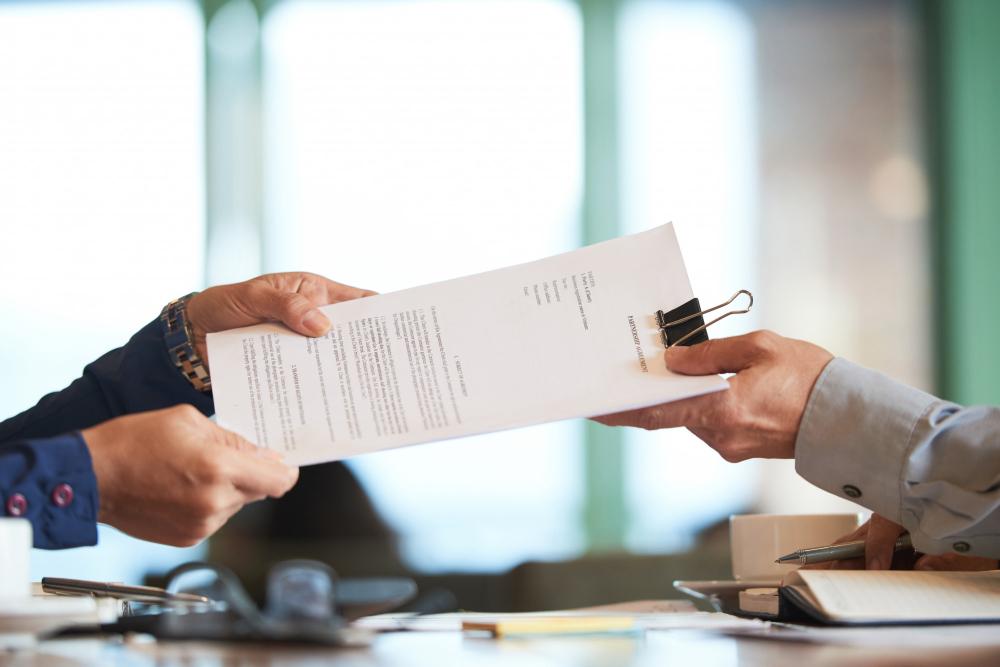
    Team of certified medical translators collaborating to provide accurate and reliable medical translations.

    Source: Freepik.com

    The role of certified medical translators is increasingly crucial in today’s multilingual healthcare sector. The demand for these professionals is on the rise, driven by the need for accurate and reliable cross-language medical communication. 

    A certified medical translator doesn’t just translate word-for-word. They also grasp the medical context, technical terminology, and legal implications of each translated document, making them an indispensable part of the healthcare system.

    Professional standards for medical translators are usually set by internationally or regionally recognised certification bodies, such as the IMIA (International Medical Interpreters Association), the ATA (American Translators Association), or national translator associations in ASEAN countries, such as the Malaysian Translators Association (MTA) or the Indonesian Translators Association (HPI). 

    Such certification ensures that translators possess linguistic expertise, medical competence, and a strong grasp of ethics and patient confidentiality. In addition, certification signifies the translator’s ability to handle essential documents, such as medical records, informed consent documents, clinical trial documents, and laboratory reports, with a high degree of precision and professionalism.

    Certified medical translation is not a simple word-for-word task. It’s a comprehensive process that requires an understanding of the clinical context, cultural adaptation, and the ability to ensure that medical meanings and instructions remain consistent across different healthcare systems. 

    Certified medical translators are not just translators; they are bridges that ensure patient safety, legal compliance, and the credibility of medical institutions. The quality of their translation is the primary foundation of safe and reliable cross-language healthcare services.

    Localization Considerations in Southeast Asia

    In the context of medical translation, Southeast Asia presents unique challenges due to the diversity of languages, cultures, and healthcare systems across countries. Indonesia, Malaysia, Thailand, Vietnam, and the Philippines have different medical terminology, communication styles, and legal standards. Localization, the process of adapting translations to the local context, is an essential step in ensuring that medical messages remain accurate and easily understood by healthcare professionals and patients alike.

    In Indonesia and Malaysia, many medical terms are derived from English but adapted differently.” The word stroke is translated as ‘stroke’ in Indonesia, but is often referred to as ‘angin ahmar’ in the Malay medical context. In Thailand, medical terms written in the Thai script require translators familiar with medical transliteration. 

    Meanwhile, in Vietnam, the medical terminology system is influenced by French, such as vitamin C, which is called vitamin Cô-sê. In the Philippines, the use of a mixture of English and Tagalog (Taglish) requires translators to adjust the tone and terminology to remain formal in a medical context.

    In addition to language, medical writing styles also differ. Medical reports in Indonesia tend to be descriptive, whereas in Thailand and the Philippines, they are more technical. Differences in local laws and medical standards are also significant, for example, the format of informed consent or drug labels, which are regulated by each country’s regulations.

    These challenges require translators to master not only language but also each country’s culture and healthcare system. A medical translator in ASEAN must be able to perform accurate localization to ensure cross-border medical communication remains safe, clear, and compliant with regulations.

    Introducing Our Certified Medical Translation Services in Southeast Asia

    SpeeQual Translation stands out as a trusted provider of medical translation services in Southeast Asia. Our deep understanding of how every word in a medical document can impact patient safety and clinical decisions sets us apart. We have designed our services to handle a wide range of medical documents, including medical devices, software, prescriptions, clinical trials, records, consent forms, and more.

    At SpeeQual Translation, our strength is our team of certified medical translators. Each member is highly experienced and possesses a deep understanding of medical terminology across various ASEAN languages, including Indonesian, Malaysian, Thai, Vietnamese, and Filipino. With their extensive regional experience, we can tailor translations to each country’s cultural context and local medical standards.

    At SpeeQual Translation, we not only ensure linguistic accuracy but also uphold the highest data security standards in accordance with international regulations. This includes those governing the protection of patient confidentiality. All our translation processes undergo multiple stages of review to guarantee precise, ethical, and legal results.

    With SpeeQual Translation, you get more than just a translation service. You get certified human expertise plus quality control, ensuring accurate, secure, and reliable medical translations across Southeast Asia. Our commitment to accuracy and reliability is designed to make you feel secure in your choice of translation service.

    Technology and Human Expertise in Medical Translation

    Certified medical translators’ role can never be replaced with advanced technology

    Source: Unsplash.com

    Machine translation is increasingly common in modern medicine for fast, efficient text translation. This technology speeds up translating large medical documents like research reports, clinical data, and publications. While fast, machine translation struggles with context, technical terms, and cultural nuances vital in medical communication. Relying solely on machine translation could potentially lead to misinterpretations and errors, underscoring the need for human oversight.

    On the other hand, human-certified translation remains the gold standard in medical document translation. A certified medical translator preserves meaning, clinical context, and legal accuracy—not just words. Even minor translation errors in prescriptions, diagnoses, or consent can endanger patients and create legal issues. In addition, certified translators are bound by a professional code of ethics that guarantees the confidentiality and integrity of patient data.

    The ideal solution combines translation technology with certified human oversight. Machines can handle large volumes quickly, while certified translators ensure that the final result remains accurate, legal, and ethical. This synergy results in efficiency without compromising safety and reliability in the translation of cross-language medical documents.

    Conclusion: Why Certified Medical Translation is a Must in Southeast Asia

    In Southeast Asia’s multilingual and multicultural healthcare landscape, your role is crucial. Certified medical translation is a necessity to ensure patient safety, legal compliance, and reliable medical communication. 

    Differences in language, terminology, and regulations between countries require your expertise and the support of trained and certified translators. 

    Only certified medical translators can ensure accurate, ethical, and standards-compliant translations. In today’s cross-border and digital healthcare era, certified medical translations are key to trust, professionalism, and safety in Southeast Asia.

    As a trusted provider of medical translation services, SpeeQual prioritises accuracy, confidentiality, and speed without compromising quality. Our certified medical translators know Southeast Asian languages and medical terms, bridging patients and healthcare providers. 

    Become relevant and trusted with the help of SpeeQual’s medical translation services! Contact our team for more information!
  • Why Machine Translation Post-Editing Is the Future of Localization

    Why Machine Translation Post-Editing Is the Future of Localization

    Can machines ever truly replace human translators? This question grows more relevant as AI rapidly transforms work—including translation, which once was slow, costly, and required expert oversight. However, with MT systems like Google Translate and DeepL, translation is now faster and more efficient.
    MT technology has revolutionised the language industry by processing millions of words in a matter of seconds. Global companies now rely on MT to meet their large-scale localization needs, from technical documents and websites to internal communications. 

    The main advantage of MT is its speed in processing large text volumes and meeting the demand for instant results.

    However, behind these advances, there is a growing awareness that machine translation results are still not perfect. MT is often unable to capture context, cultural nuances, and distinctive language styles. This is where the human touch remains irreplaceable. 

    The combination of machine speed and human precision through the machine translation post-editing (MTPE) process is the ideal solution, merging technological efficiency with human linguistic accuracy. This is the new direction for the future of localization.

    What Is Machine Translation Post-Editing (MTPE)?

    Machine Translation Post-Editing (MTPE) is a process in which human translators refine translations produced by machines. In practice, machines such as Google Translate or DeepL automatically generate initial translations, which human translators then refine to ensure accuracy, fluency, and contextual relevance. MTPE bridges the gap between technological speed and human linguistic sensitivity.

    There are two main levels in MTPE. First, light post-editing, which focuses on correcting the basic meaning and structure so the text can be understood correctly. At this level, style and nuance are not yet a priority; the important thing is that the message is conveyed accurately and efficiently. 

    Second, full post-editing, which is a comprehensive editing process that corrects grammar, style, word choice, and cultural nuances so that the final result is equivalent to a professional human translation.

    MTPE aims to balance speed, cost, and quality. By leveraging the power of machines to handle large volumes and high speeds, and human precision to ensure quality and accuracy, MTPE is the ideal solution in the modern translation industry. 

    This approach enables fast yet high-quality translations, perfectly suited for the global content demands of today’s businesses.

    Why MTPE Matters in Modern Localization

    In this fast-paced digital age, Machine Translation Post-Editing (MTPE) has become an integral part of the modern localization process. MTPE enables localization teams to handle multilingual content much more quickly than manual translation alone. 

    By leveraging the speed of machine translation (MT) and human expertise, companies can translate thousands of words per day without compromising quality. 

    For example, a localization team handles content for Indonesian and Chinese. Manual translation would take much longer, whereas MTPE allows the work to be completed far more efficiently.

    This approach is particularly relevant for multiple industries that rely on cross-language communication, such as e-commerce, the gaming industry, legal, marketing, and technology. 

    In e-commerce, for example, thousands of product descriptions must be translated into multiple languages to reach global markets. 

    In the gaming industry, dialogue and user interfaces need to be localised to suit each country’s culture. MTPE helps speed up this process without losing accuracy or content appeal.

    One of the main benefits of MTPE is increased cost efficiency and accelerated time-to-market. Since machines do most of the initial work, translation costs can be significantly reduced. Meanwhile, human editors ensure the final result remains natural and high-quality. 

    As a result, MTPE isn’t just a linguistic solution—it’s a competitive business strategy that allows companies to launch products, campaigns, and updates faster than ever before.

    For example, many global companies now use MTPE to accelerate cross-border product launches. Instead of waiting months for traditional localization processes, they can adapt content in a matter of weeks or even days. 

    As a result, MTPE is not only a technological solution but also a crucial business strategy in the face of increasingly fierce global competition.

    The Human Touch: Where Machines Still Fall Short

    The role of human translators can’t be completely replaced by MTPE.

    Source: Freepik.com

    Although artificial intelligence (AI) and machine translation (MT) technologies continue to develop rapidly, there are still limitations that machines struggle to overcome.

     AI can translate words quickly and accurately from a technical standpoint, but it often fails to grasp cultural context, emotions, and subtle linguistic nuances. 

    Human language consists not only of structure and grammar, but also of implied meanings, emotional expressions, and cultural values that algorithms still struggle to grasp. Therefore, the role of humans cannot be replaced by sophisticated AI.

    Human translators have a sense that AI lacks. Only human translators can accurately interpret idioms, tone of voice, and technical or industry-specific terms. For example, in marketing, overly literal translations can diminish the emotional appeal of a message. In legal or medical texts, minor errors in word choice can lead to very different meanings.

    This is where the balance between technology and human sensitivity comes in. Machines can help speed up the process, but humans remain the guardians of meaning. As a modern saying often quoted in the world of translation goes:

    ‘AI translates words, humans translate meaning.’

    This sentence clearly illustrates that artificial intelligence may be able to understand language, but only humans are capable of understanding the meaning behind it.

    MTPE Best Practices for Quality Localization

    In order for MTPE to produce optimal localization, well-planned strategies and best practices are required. MTPE is not merely about improving machine translation results, but also ensuring that the message conveyed remains consistent with the communication objectives and brand identity. Here are some important guidelines that need to be applied in every MTPE project.

    First, choose a translation engine suitable for the domain or industry. Each machine has different strengths and weaknesses; for example, some excel at technical texts, while others are better at marketing content. Choosing the right machine will reduce the number of corrections needed in the post-translation stage.

    Second, use a glossary and translation memory. Both help maintain consistency in terminology, style, and tone throughout the project, especially if the content is translated by multiple translators. This also speeds up the editing process and improves cost efficiency.

    Third, implement thorough quality assurance (QA) and linguistic review. Quality assurance (QA) ensures there are no grammatical, translation, or contextual errors, while linguistic review ensures natural and culturally appropriate text.

    In addition, involve experienced translators, not just regular editors. Professional translators understand the nuances of language and can adjust their tone to remain consistent with the brand’s image and values.

    The last step is to maintain consistency in style and brand voice. In localization, consistency in language style creates a cohesive and professional user experience across all markets. By implementing these practices, MTPE not only increases speed but also ensures the quality and credibility of global communication.

    The Future Outlook: AI and Human Collaboration

    The future of translation and localization is no longer simply a matter of choosing between humans and machines, but rather how the two can collaborate intelligently. The current trend is toward hybrid systems that combine the power of MT with human intelligence and sensitivity. Machines provide speed, scale and efficiency, while humans ensure accuracy, cultural context and natural language style.

    In this context, MTPE acts as a bridge between technology and linguistic quality. MTPE enables global companies to deliver scalable localization solutions, where MTPE can handle large volumes of multilingual content without compromising quality. 

    This approach gives international brands the flexibility to expand their market reach quickly, efficiently, and in a culturally relevant manner.

    Looking ahead, the emergence of new technologies such as adaptive MT and Large Language Models (LLMs) will further strengthen this synergy. Adaptive MT can learn from human corrections and adjust translation results contextually, while LLMs provide deeper semantic understanding and the ability to generate more natural language. 

    The combination of the two makes the localization process faster, more innovative, and more cost-effective. This enables the translation process to be more targeted and culturally appropriate for the destination country.

    At the end of the day, the future of the translation industry is not about AI versus humans, but rather AI plus humans. Artificial intelligence provides the foundation for efficiency, and humans provide meaning and soul to language. 

    This collaboration is the key to an era of localization that is more inclusive, adaptive, and focused on the true quality of global communication.

    Choosing the Right Partner for MTPE and Localization Success

    We work hand in hand to deliver the best service in localization

    Source: Freepik

    The success of MTPE and localization projects depends not only on the technology used, but also on partners who can balance machine efficiency with human linguistic quality. There are several important criteria to consider when choosing an MTPE partner. First, choose a partner with a proven track record in multilingual projects and deep understanding of cross-industry linguistic challenges. Second, ensure they use advanced translation engines, translation memory, and quality assurance systems to ensure consistency and efficiency.

    Third, industry specialisation is also essential. Each sector, such as legal, medical, gaming, or marketing, has its own unique language and terminology that requires specialised expertise. Last one: ensure the service provider has quality assurance and a multi-layered review process to ensure the final result meets high standards.

    With the right partner like SpeeQual, MTPE can be an effective localization strategy, combining the speed of technology and the accuracy of human translators so that you can compete in the global market. We have a reliable team ready to assist you with the localization process, with experts in their fields who are proficient in more than 10 Asian languages, including English, of course. We also prioritise speed while maintaining quality to ensure our clients’ satisfaction. 

    Let us help your brand stay relevant in every target market. Contact SpeeQual today to discover how our MTPE and localization solutions can elevate your global presence.

  • The Growing Demand for Software Localization Services in Southeast Asia

    The Growing Demand for Software Localization Services in Southeast Asia

    Over the past five years, Southeast Asia has undergone a rapid transformation from being merely a consumer market to becoming one of the world’s most dynamic digital hubs. The growth of the digital economy, the rise of tech startups, and increasing internet penetration have made the region a prime target for global companies looking to expand. 

    Indonesia, for example, had 3,114 startups as of July 2025. According to Startup Ranking, this is the sixth-highest number in the world and the highest in Southeast Asia. 

    However, behind these great opportunities lie fundamental challenges: language and cultural barriers. Although global products and services are easily accessible, they still have unique linguistic preferences and distinct cultural contexts across countries.

    Therefore, software translation services are essential for expanding the market. These services go beyond simple translation; they also so that every click, word, and visual feels natural to local audiences. This is closely related to the concept of software localization, which involves adapting software to suit the language, culture, date format, currency, and user habits of a particular region.

    With effective software localization, companies can build trust, increase user engagement, and expand their market share without losing their global brand identity. In an era where user experience is a key factor in digital success, software translation services serve as a bridge between technological innovation and cultural diversity. 

    Southeast Asia is no longer merely a consumer of global technology but also an active player demanding digital products that honestly ‘speak’ their own language.

    Why Southeast Asia Is the Perfect Storm for Localization Growth

    Illustration of business growth that is adapting software localization.

    Source: Freepik.com

    Southeast Asia is currently one of the most dynamic regions in the global digital landscape. In a short period, this region has transformed from a consumer market into a centre of technological innovation, attracting millions of new users each year. 

    This rapid growth has created high demand for software localization services in Southeast Asia, as digital success in the region depends heavily on companies’ ability to adapt their products to local languages and cultures.

    One of the main driving factors is the explosive growth of startups and fintech in Indonesia, Malaysia, and Vietnam. Thousands of new companies are emerging, offering digital solutions across finance, e-commerce, and education. 

    To penetrate cross-border markets in this highly diverse region, they must ensure that their applications and content feel natural to every local user. Software localization has become a key element in cross-market expansion strategies. 

    Examples of startups that have successfully localized their software include Grab and Gojek. Both localise their software to make it highly relevant and accessible to consumers. This localized approach allows users to interact in their native languages, access local payment systems, and feel that the app was built for them.

    In addition, government support and regulations are also strengthening this trend. Several countries in Southeast Asia now mandate the use of national languages in public applications and digital government services. This policy not only strengthens cultural identity but also ensures that digital services are more accessible to the broader community.

    Another critical factor is the rise in digital purchasing power and the growth of a tech-savvy young population. This generation demands a relevant and personalised digital experience. They tend to choose applications that understand the local context and their communication style.

    Challenges in Software Localization Across the Region

    Although Southeast Asia offers great opportunities for digital growth, the software localization process in this region faces significant challenges. The region’s linguistic, cultural, and technological diversity makes localization projects in this region much more complex than in other markets.

    One of the main challenges is linguistic and cultural diversity. Southeast Asia has more than 1,000 languages and dialects, as well as significant differences in how people interact with technology. 

    An application that is successful in Indonesia may not necessarily receive the same response in Vietnam or Thailand, even though they are in the same region. Adaptation is not just about translating text; it also involves adjusting visuals, communication tone, and even cultural symbols.

    From a technological standpoint, localization also faces significant obstacles. Many legacy systems were not designed to support multiple languages or complex non-Latin scripts such as Thai, Khmer, or Burmese. In addition, limited local resources, such as linguistic experts and localization engineers, often slow down the development process.

    Another problem arises during testing and maintenance. Every software update requires thorough re-testing to ensure there are no translation errors or UI bugs. Given this complexity, companies need to combine advanced technology and a deep understanding of culture to ensure that software localization services in Southeast Asia run effectively and sustainably.

    How Software Localization Services Are Evolving

    The software localization services industry is currently undergoing a major transformation in line with technological advances and increasing demands for speed and precision. Whereas localization used to focus solely on manual translation, the approach now used is far more sophisticated, efficient, and integrated with the software development process.

    One of the most prominent trends is the emergence of AI-assisted localization tools. Artificial intelligence technology helps speed up the translation process while maintaining terminology consistency across the user interface. 

    Machine learning enables systems to understand contextual nuances and style preferences in each market. As a result, companies can accelerate global product launches without sacrificing linguistic quality.

    In addition, more and more service providers are utilising in-context editing and automation in the UI/UX localization process. This approach allows translators and designers to see first-hand how text appears in the user interface. 

    Thus, issues such as truncated text, unbalanced layouts, or incorrect context can be corrected immediately before the production stage. Automation also helps speed up content synchronization across platforms and application version updates.

    Another increasingly important trend is the integration of QA testing, both linguistically and functionally. This testing ensures that localised versions are not only linguistically accurate but also function perfectly across different systems and devices.

    This evolution shows that localization has matured from being a support service into a strategic function within product globalization. The combination of AI, automation, and comprehensive testing makes localization faster and more efficient.

    Our Approach to Software Localization for Southeast Asia

    Our team works hand in hand to deliver the best software localization services.

    Source: Freepik.com

    Our approach to software localization services in Southeast Asia at SpeeQual combines advanced technology, linguistic fluency, and deep cultural understanding. 

    We utilise AI-assisted translation tools such as CAT tools and MTPE (Machine Translation Post-Editing) to ensure speed, consistency, and efficiency, while still involving human localizers to maintain contextual authenticity and cultural sensitivity in each language. 

    Our team of translators at SpeeQual is fluent in more than 10 languages in Southeast Asia and is ready to help your business become more relevant to your audience.

    Our process begins with local market analysis to understand user preferences, followed by in-context editing to ensure the look and feel are consistent with regional UI/UX. We also implement an end-to-end localization workflow that covers translation, visual adaptation, and linguistic and functional QA testing.

    We ensure that every digital product feels natural and relevant to users across the region. Our goal is simple: to deliver a truly localised digital experience that still meets global standards.

    Key Industries Driving the Demand

    Demand for software localization services in Southeast Asia is growing rapidly as various digital sectors develop in the region. Several industries play a particularly dominant role in driving localization needs due to their intensive interaction with users from different linguistic and cultural backgrounds.

    The gaming sector is one of the main drivers. Local language and humor play a significant role in creating emotional engagement between players and games. Developers who can adapt dialogue, characters, and cultural references to the local context will find it easier to build a loyal player community. Therefore, localization is not merely an additional strategy, but an essential element of the gaming experience.

    Next, the fintech and e-commerce sectors also rely heavily on localization. In addition to adapting interfaces and financial terminology to the local language, companies in this field must comply with national regulations on data and transaction security. A smooth user experience and local payment habits are key factors in consumer trust.

    Meanwhile, healthtech and edtech demand a high level of accuracy and clarity in language. In both sectors, language must be easy to understand, professional, and trustworthy, as it concerns health, education, and the credibility of information sources.

    With cultural diversity and specific needs across industries, software localization services are now a strategic component for relevance and inclusivity throughout Southeast Asia.

    The Future of Localization in Southeast Asia’s Digital Landscape

    In upcoming years (2026–2028), the software localization services industry in Southeast Asia is predicted to grow rapidly in line with increasing digitalisation and cross-market expansion in the region. 

    AI will play an increasingly vital role in translation and automation. However, the role of humans remains crucial, especially in understanding cultural nuances, social contexts, and local sensitivities that cannot be fully captured by machines.

    In addition, regional localization hubs will emerge in countries such as Malaysia, Indonesia, and Singapore, serving as centres for development, research, and inter-industry collaboration. The presence of these centres will strengthen the localization service supply chain in the region, while also improving the quality standards and professionalism of the local workforce.

    Another emerging trend is an increase in demand for end-to-end localization services. It includes translation, cultural adaptation, local regulation, and quality testing (linguistic and functional). Businesses are now looking for partners who can handle the entire localization process in an integrated manner.

    With a combination of advances in AI, regional collaboration, and a focus on human quality, Southeast Asia is poised to become a new force in the global digital landscape.

  • The Ultimate Guide to Choosing a Localization Agency in Malaysia

    The Ultimate Guide to Choosing a Localization Agency in Malaysia

    Imagine a global start-up that has just launched a significant campaign to break into the Southeast Asian market. With high optimism, they translate all marketing materials into the local language. 

    However, instead of producing results, the advertisements that were supposed to be appealing feel stiff and unfamiliar to the audience. Slogans that sound clever in their home country confuse us here. From this failure, they learned one crucial thing: global success always starts with the ability to go local.

    In an interconnected business world, a website localization service is not just about translating words; it is about adapting the message, tone, and context to the local community’s culture and values. This is where choosing the right localization agency is important, a partner who not only understands the language but also understands the spirit of the target market.

    The Malaysian context makes it an ideal example. The country is a unique blend of global modernity and strong traditions. With a multi-ethnic population comprising Malays, Chinese, Indians, and other communities, Malaysia demands a careful and sensitive approach to localization that respects cultural diversity. 

    To penetrate the Malaysian market, companies must speak in a way that feels familiar, relevant, and authentic. Read on for a deeper look at this topic.

    The True Meaning of Localization — and Why Most Brands Get It Wrong 

    Many companies still mistakenly view website localization services as merely translating words from one language to another. However, localization is a complex process of translating meaning, requiring a deep understanding of cultural interpretation that goes beyond mere word replacement. It’s not a mechanical task, but an art that delves into how a society thinks, jokes, and feels.

    Take the Japanese gaming industry, for example. Many games that are rich in humor and cultural nuances frequently lose their appeal when translated literally for the global market. Jokes that are funny to Japanese players can seem bland or even confusing to players in other countries due to the loss of cultural context. 

    The same thing happens with global advertising campaigns that fail because they do not take into account the different symbols, colours, or values in each culture. This is why accurate localization demands empathy and cross-cultural sensitivity. For example, the use of yellow in website localization is not a problem, but it would be controversial in Malaysia because it is associated with the royal family.

    Malaysia is an interesting example: a linguistic laboratory where language, culture, and context meet in complex harmony. Here, a single sentence can have different meanings depending on who hears it, Malay, Chinese, Indian, or English speakers. This diversity requires brands to think smarter and be more sensitive in their communication.

    Thus, when a brand can speak the language of the Malaysian people’s hearts (not just the literal language), that is where localization finds its true meaning: uniting the world without erasing differences.

    Malaysia: A Living Example of Localization in Action 

    Malaysia is a living example of how website localization is not just a theory, but a real-life practice. The country stands at the crossroads between East and West, with an identity that continues to evolve while remaining firmly rooted in tradition. It is not only multilingual but also multi-identity. 

    In the context of marketing and communication, every message conveyed in Malaysia must be translated into at least four languages: Malay, Mandarin, Tamil, and English. However, behind these languages lie four layers of culture that interact with each other: Malay, which emphasises the values of togetherness and politeness; Chinese, with its work ethic and pragmatism; Indian, which is rich in colour, spirituality, and expression; and the global urban culture that shapes the face of modern Malaysia.

    For businesses, navigating this diversity means more than simply adapting text or visuals. It is about understanding when to use formal greetings or casual conversation styles, which colours symbolise good luck or bad luck, and how humour can be a bridge or a divide between cultures.

    For example, an advertising campaign that is successful in Kuala Lumpur may need to be adapted differently for audiences in Penang or Johor, as linguistic nuances and local sensitivities can vary greatly, from the way people greet each other to the language they use.

    Malaysia proves that accurate localization is about emotional connection and social context. It shows that successful cross-cultural communication does not come from uniformity, but from the ability to appreciate and celebrate differences. In every well-targeted message in Malaysia, businesses will remain relevant to their multi-ethnic and multilingual audiences. 

    Inside the Mind of a Good Localization Agency

    Professionals analyzing content to ensure accurate and emotionally resonant localization.

    Source: Freepik.com

    A great localization agency does not work like a translation machine. They work like a scriptwriter who has just moved to a foreign city, striving to understand and connect with the local culture. They listen, observe, and then rewrite the story so that it feels as if it originated there. The process is long, subtle, and often invisible, but it is driven by empathy.

    The localization journey commences with a crucial step: cultural research. Before a single word is translated, the localization team delves deep into the world of the target audience. They explore what resonates with them, what they find amusing, what they consider off-limits, and what they find mundane. They observe social media trends, review local ads, and even listen to casual conversations in cafés. This in-depth cultural immersion is the cornerstone that guides every subsequent decision.

    The next pivotal stage is language adaptation. Here, it’s not just about translating words, but about re-translating them. A slogan like ‘Think Different’ may undergo a complete transformation in another language, not because the original meaning is incorrect, but because the same message needs to be conveyed with a different cultural resonance. The agency’s task is to find equivalents that stir up similar emotions in the local audience.

    Then there is context validation, a stage that is often overlooked. Humour, idioms, or visual symbols that are considered clever in one culture can be offensive in another. The localization team will review every detail, ensuring that colours, gestures, and metaphors remain safe and effective.

    The final stage is emotional testing. A message must not only read correctly, but also feel correct. A good agency will test the local audience’s reaction, refining the tone or expression until the message flows naturally. It is this stage that unites the global and local worlds in one common language: the language of human emotion.

    The Art of Choosing the Right Localization Partner

    The right localization partner will understand how your brand speaks to speak with the audience.

    Source: Freepik.com

    Choosing the right localization agency is not a matter of finding the fastest or cheapest vendor. It is more like a journey to find a partner who can speak the same language as your brand’s heart. This journey begins not from the outside, but from the inside, from a deep understanding of who you are as a brand.

    1. Understand your voice

    Before looking for an agency, ask yourself: what does your brand really want to say to the world? Is it bold, warm, elegant, or humorous? Without this understanding, even the best agency will struggle to capture your essence. True localization starts with a clear identity.

    2. Look for empathy, not just expertise

    The next step is to look for empathy, not just expertise. A good agency not only knows how to translate language, but also knows when to adapt. They understand when to swap metaphors, change colours, or hold back on jokes that may not be appropriate in other cultures. They don’t work from a list of terms, but from a sense of respect for your target audience.

    3. Ask for process transparency 

    A trustworthy agency won’t hide behind technical jargon. They will show you how they research cultural context, adapt content, and ensure quality control at every stage. An open process fosters confidence that every word that comes out carries the same intent as the original.

    4. Trust the chemistry

    Localization isn’t just a project; it’s a creative collaboration that demands trust and two-way communication. You are not just looking for a service provider, but a partner who can spark ideas with you.

    When these four steps come together: a clear voice, genuine empathy, honest transparency, and a warm relationship, the result is not just translated content, but a message that truly resonates with the local audience.

    The Malaysian Localization Scene: Small Market, Big Potential 

    The website localization service industry in Malaysia may not be as large as in Japan or Korea, but that is precisely where its appeal lies. This market is still developing, still finding its form, but it already shows great potential thanks to a unique combination of linguistic diversity, local skills, and competitive cost efficiency.

    Malaysia has a strong ecosystem: professionals fluent in Malay, English, Mandarin, and Tamil, with a deep understanding of Southeast Asian culture. This makes the country a magnet for foreign companies that want to tailor their message to regional markets without losing local flavour. Many agencies in Malaysia now serve international clients who need localization services for the whole of Asia, not just the domestic market.

    However, the domestic dynamic is still evolving. Many local businesses still underestimate the strategic value of effective localization. They often see it as mere translation, rather than a way to build emotional connections with consumers. As a result, the quality of communication is often inconsistent across languages and platforms.

    Nevertheless, the trend is beginning to change. With more Malaysian brands expanding overseas, awareness of the importance of localization is growing rapidly. Young agencies are emerging, bringing more creative and data-driven approaches.

    In this context, Malaysia is not just a small, developing market; it is a talent hub with enormous potential. With its balance of language skills, cultural understanding, and operational efficiency, Malaysia is slowly positioning itself as an important player on the global map of the localization industry.

    Our Approach: Localization as Partnership, Not Project 

    For us at SpeeQual, website localization services are not just a task that is completed when the text is translated or the video is subtitled. We see it as a joint journey, a long-term partnership to help your brand truly speak to your local audience in a natural and relevant way.

    We begin every collaboration by understanding your brand’s identity and vision. Before a single word is written, we want to know how you speak, what values you bring, and how you want to be heard in new markets. 

    From there, localization becomes a two-way dialogue—an exchange of ideas and cultural perspectives, not just technical steps. We may suggest certain adjustments to ensure your brand speaks to its target audience, it is highly relevant, for instance, such as avoiding the use of yellow, which carries specific cultural meanings.

    In practice, our team works as an extension of your own team. We involve native speakers, cultural experts, and editors who understand the local context carefully. Every decision, from word choice to visual tone, is made through joint consideration so that the final result feels authentic to the audience without changing your brand identity.

    What we offer is not just results, but trust. We believe that effective localization is built on open communication, mutual respect, and a shared goal: to make your global message feel close to anyone who hears it.

    For us, localization is not a temporary project. It is a partnership that grows with your brand, from one language to another, from one culture to a wider world.

    Beyond Translation: The Future of Localization in a Hybrid World 

    The future of localization no longer stands between humans and machines. It will live in the space where the two meet, where artificial intelligence speeds up the process, while human sensitivity keeps its meaning intact. 

    An increasingly connected world demands speed and scale, but also authenticity and empathy. This is where the concept of hybrid localization comes in: a blend of technological efficiency and human cultural touch.

    AI is now capable of recognising language patterns, predicting communication styles, and even adjusting tone based on user behaviour data. However, machines still struggle to grasp emotion—why a joke works in Tokyo but feels awkward in Kuala Lumpur, or how word choice shows respect in Malay culture.

    This is where the role of humans becomes important, not to replace machines, but to guide and refine the results to suit the spirit of the audience.

    For Malaysia and the Southeast Asian region, the future of localization presents a wealth of opportunities. With its rich linguistic and cultural diversity, the region is ideal for a data-driven yet context-sensitive approach to localization.

    Agencies that can successfully blend AI-based analysis with regional cultural insights will be at the forefront of this burgeoning industry.

    Moving forward, localization is not just about translating global messages but building personalised and meaningful cross-cultural experiences. This hybrid world demands a balance between digital precision and human intuition. It is precisely in this balance that the future of localization will flourish.

    Conclusion — Speaking Humanity, Not Just Language 

    Website localization is not just about using a familiar language, but about speaking in a way that truly resonates.

    Behind every translation, there is an effort to understand people, how they think, joke, react, and feel valued. It is this effort that can enhance the audience’s experience, not just a string of messages from your brand.

    Malaysia is one of the countries in Southeast Asia that serves as a cultural incubator, with multiple ethnicities and languages. Through localization, becoming relevant in Malaysia is not just a pipe dream. Localization bridges the gap between your brand and your target audience by building deeper communication.

    Speequal is here for your brand that wants to be at the forefront and be trusted by audiences in Malaysia. We have experienced translators fluent in Malay, Tamil, and Chinese. We will personalise your brand’s message to be relevant to your audience.

    Be relevant to your audience and leave it to us! Contact our team for more information.

  • Top 4 Mistakes to Avoid When Translating Business Documents

    Top 4 Mistakes to Avoid When Translating Business Documents

    In today’s globalized world, cross-border business has become the norm. Companies from all over the world collaborate, invest, and expand their markets without geographical boundaries. However, despite this seamless connectivity, business document translation remains one of the most persistent challenges in international operations.

    Business documents such as contracts, financial reports, partnership proposals, and marketing materials require high-precision translation. Unfortunately, translation errors are still common, even in large, experienced companies.

    Minor errors in these endeavors can have serious consequences, ranging from misunderstandings between business partners to legal violations and financial losses. For example, a single mistranslated legal or technical term can alter the meaning of an entire agreement. 

    Therefore, companies need to ensure that translations are carried out by professionals who understand the business context, culture, and industry-specific terminology. With accurate and professional translation, businesses can build trust, facilitate cross-cultural communication, and ensure they maximize every international opportunity. To avoid these mistakes, let’s learn four mistakes to avoid when translating.

    Mistake #1: Thinking Translation Is Just About Words

    One of the most common mistakes in business document translation is assuming that translation is simply replacing words from one language to another. Translation is more than a linguistic process—it requires understanding context, culture, and communication intent. In the world of international business, every document has strategic significance that goes far beyond the words on paper.

    Business documents such as contracts, financial statements, operational or cooperation agreements contain legal nuances and technical terms that must be translated accurately to avoid misinterpretation. 

    For example, a legal term in Indonesian can have different legal implications when translated into Vietnamese without a thorough understanding of the Indonesian law. Furthermore, cultural aspects also play a significant role; a style of language considered professional in one country may sound overly stiff or even impolite in another.

    Mistakes in translation can impact a company’s reputation and cause significant losses. Therefore, business document translation must be performed by professional translators who understand the industry context, the target culture, and the legal implications of each terminology used. 

    Good translation not only conveys the same message but also maintains credibility, clarity, and trust among the parties involved in international business.

    Mistake #2: Ignoring Cultural Nuances

    Another significant pitfall in business document translation is the oversight of cultural nuances in the target language. Many companies prioritize linguistic accuracy, often at the expense of understanding how their message will be received by audiences in other countries. Yet, in international business communications, cultural comprehension is just as vital as linguistic precision. Ignoring these nuances can lead to misinterpretation and potential miscommunication.

    For example, business reports translated from English into Indonesian often sound too blunt or direct. In Indonesian culture, such a communication style can be considered impolite or even offensive. 

    Conversely, if the translation is done in an overly formal or wordy style, the message can lose clarity and feel awkward to clients who prefer efficient communication. For instance, while English marketing copy may sound dynamic and concise, its literal translation into Japanese might require a more polite tone to feel natural.

    Effective business document translation necessitates the adaptation of tone, style, and word choice to align with the cultural norms of the readers. Professional translators, with their linguistic mastery and cultural acumen, play a pivotal role in this process. 

    They not only understand the language but also the etiquette of business communication in both cultures. By meticulously attending to cultural nuances, companies can deliver messages that are more fluid, professional, and persuasive. Ultimately, culturally sensitive translation aids in fostering stronger, more respectful, and more sustainable business relationships in the global marketplace.

    Mistake #3: Forgetting About Industry-Specific Terminology

    Neglecting technical terms and industry-specific jargon is one of the most damaging translation mistakes. Each sector, such as law, medicine, technology, or finance, has its own unique terminology that often cannot be translated literally. 

    For example, the terms “cloud computing” or “due diligence” have specific meanings that must be preserved to ensure clarity and legal compliance. In addition, translating contracts and agreements can result in losses for both parties and even violate local laws.

    Unfortunately, many companies do not provide translators with a glossary or official terminology guide. As a result, translation teams often interpret terms differently, leading to inconsistencies across documents. This type of incoherence can undermine a company’s credibility, especially in professional communications or marketing materials aimed at international clients.

    Businesses can prevent this issue by implementing a structured terminology management system. This involves creating and maintaining a terminology database or style guide that lists company-specific terms and their official translations. By updating and sharing this document with all translators or language partners, you can ensure that technical terms are used consistently across all projects and communication channels. This not only strengthens the company’s professional image but also enhances message clarity and reader trust.

    Mistake #4: Skipping the Review Stage

    The revision and proofreading stage is often overlooked in the translation process, yet it is crucial to ensuring the accuracy and professionalism of the final product. Many companies rush to send translated documents without conducting a final check. 

    As a result, minor errors such as misspellings, grammatical errors, or inappropriate word choice can slip by unnoticed. Even a single typo can change the meaning of an entire sentence and lead to serious misunderstandings, especially in legal, technical, or business contract documents. In legal contracts, a single misplaced comma or mistranslated clause could result in financial penalties or breached agreements.

    The review process not only detects linguistic errors but also ensures consistency of writing style, terminology, and appropriateness for the cultural context. Ideally, documents should be translated by one professional, then reviewed by a second editor or proofreader proficient in both languages. This stage also helps identify sentences that sound stiff or unnatural in the target language.

    Neglecting the revision process can damage a company’s reputation and create an unprofessional impression in the eyes of clients or international partners. Therefore, allocate dedicated time for quality assurance before publishing a document. 

    Investing time in the proofreading stage will result in a more accurate, clear, and high-quality translation, while also reflecting the company’s attention to detail and communication excellence.

    The Cost of a Small Mistake — Why Accuracy Equals Trust

    In the global business world, a small translation error can have significant consequences. A poorly chosen word, a mistranslated phrase, or the wrong context can drastically change the meaning of a message. 

    Consider the potential legal ramifications if a contract were ambiguously translated. A single difference in terminology could lead to misinterpretation and even legal disputes, highlighting the critical need for precise translation. 

    Similarly, when marketing materials are translated without considering cultural nuances, a message that should be convincing can end up offending potential customers.

    Instances of mistranslation aren’t just about language; they’re about trust. A single mistranslation can erode years of brand reputation, reminding us that accuracy is not optional—it’s foundational. 

    Clients who discover errors in official documents immediately question a company’s professionalism and credibility. The financial implications of lost trust due to translation errors are significant, as rebuilding it takes far more time and money than simply performing additional checks.

    Translation accuracy is not just a linguistic task; it’s a reflection of a business’s core values: reliability, professionalism, and commitment to quality. Language is a company’s face to the world, and every word chosen reflects its reputation. 

    Therefore, ensuring translation accuracy is not simply a task, but a crucial part of a long-term trust-building strategy. In cross-language communication, accuracy equals trust, and trust is the most valuable currency in the modern business world.

    How to Do It Right — Building a Smarter Translation Process

    Building an effective translation process isn’t just about speed, but also about strategy and collaboration. The first step is to establish a translation workflow that involves several layers: human translators at the core of the process, whose unique skills and understanding are irreplaceable, proofreaders to ensure language accuracy, and client reviewers to ensure it aligns with the business context. This layered approach helps maintain quality and prevent errors.

    Furthermore, it’s crucial to use an official company glossary and style guide. These documents ensure that technical terms, style, and tone remain consistent across all materials. This ensures that the company’s brand identity and message remain intact, even when translated into multiple languages.

    Technology can also be a valuable ally if used wisely. AI-based tools or translation memory can significantly increase efficiency, but the final result still needs to be refined by human intuition and sensitivity. AI can speed things up, but only humans understand nuances and cultures, ensuring the accuracy and cultural relevance of the translation.

    Finally, build long-term relationships with professional translation agencies that understand your company’s global business context. Ongoing collaboration enables the translation team to better understand the nature and purpose of your communication, resulting in translations that are not only accurate but also strategic and impactful.

    Partnering with Professionals — How Speequal Makes Business Translation Seamless

    When translating business documents, you need to collaborate with a professional translation service provider like SpeeQual. Here’s how you can identify a reliable partner—and why SpeeQual stands out.

    1. Prioritize Expertise in a Specific Field

    Choose a translation service provider or agency with experience in your business field, such as law, finance, technology, or marketing. SpeeQual has a team of translators who are experienced and understand industry terms and context, resulting in more accurate and natural translations.

    2. Check Portfolio and Reputation

    Request examples of translation results or case studies of previous projects. Also, review reviews or testimonials from other clients to ensure the credibility and consistency of their service quality. SpeeQual, for example, has been trusted by numerous clients in diverse fields, from technology to automotive.

    3. Ensure a Quality Control Process

    Professional partners have a workflow that involves a lead translator, an editor, and a proofreader. SpeeQual’s multi-layered review system demonstrates a commitment to accuracy and quality.

    4. Use a Glossary and Style Guide

    Make sure they are willing to work with your company’s glossary and style guide. This is important to maintain consistent terminology and tone throughout the document.

    5. Evaluate Communication and Responsiveness

    At SpeeQual, responsiveness and reliability are at the core of our client service philosophy.

    Closing: It’s Not Just Translation, It’s Communication

    Translation isn’t simply transferring words from one language to another; it’s about conveying the meaning, emotions, and values ​a brand wants to build. In a global business context, every word plays a crucial role in shaping perceptions, building trust, and maintaining a company’s credibility.

    Therefore, successful cross-language communication relies on the collaboration of people, technology, and cultural understanding. With a careful and strategic approach, translation can become a bridge that strengthens business relationships, not just a linguistic task.

    At SpeeQual, we prioritize three elements: a professional, competent translation team, technology to simplify the process, and an understanding of the target country’s culture. With a network of native translators fluent in 17 Asian languages, we ensure your brand speaks authentically to every market. 

    This translation process prioritizes not only precision and accuracy but also responsiveness and solutions, ensuring your business’s every need and message are conveyed. Get ready to be relevant in the global market with our business document translation services! 

    Contact us now!

  • Between Code and Context: Why Human Expertise Still Matters in Southeast Asia’s Technical Translation Industry

    Between Code and Context: Why Human Expertise Still Matters in Southeast Asia’s Technical Translation Industry

    Have you ever read instructions for a new gadget that left you more confused than before? Or tried to understand a car manual whose language felt that sounded too technical — as if written only for engineers? 

    Perhaps you’ve also encountered software with an interface that felt “out of this world,” because the translation was stiff and unnatural. Take, for example, the Windows interface in the 1990s — robotic, literal, and emotionless. 

    These are all clear examples of the importance of technical translation services. It’s the skill of translating technical jargon into clear, human-friendly language.

    In today’s era of technological globalization, products from one country can be used worldwide in a matter of days. However, without good technical translation, these innovations can lose their meaning in the hands of users. 

    Technical translation goes beyond word conversion—it adapts context, terminology, and culture to keep the message accurate and clear.

    Amidst the rapid development of global technology, technical translation serves as a crucial bridge between innovation and users. It ensures that technology is not only sophisticated but also accessible and understandable by anyone, anywhere.

    When Language Meets Logic

    Language and logic are like two old friends who often bicker. Language is fluid, flexible, and full of nuance, playing with meaning, metaphor, and emotion. Logic, on the other hand, is firm and rigid, demanding precision, structure, and consistency. 

    When the two meet in the world of technical translation, friction often arises. Language wants to sound natural and flowing, while logic demands uncompromising accuracy. If not balanced properly, users may struggle to understand technical instructions.

    This is where technical translators play a vital role, bridging the gap between these two seemingly different worlds. A technical translator must be able to convey logical, technical messages into everyday language without losing their original meaning. 

    They must think like an engineer but write like a communicator. For example, translating a washing machine manual must be precise yet easy to understand.

    Today, technological advances such as Artificial Intelligence (AI) and Machine Translation (MT) are increasingly playing a significant role in this field. Machines translate fast and consistently but often miss the context, tone, and human touch. 

    This is where humans play an irreplaceable role. They maintain the balance between logical accuracy and linguistic beauty. AI may help with translation work, but when it comes to sensitivity and sense, only humans can convey them.

    Ultimately, technical translation isn’t just about replacing words, but about creating harmony between living language and precise logic, so that technology can communicate with humans without losing meaning.

    Enter the Machines — How AI Changed the Game

    Technical document translation used to mean hours spent staring at a screen, searching for synonyms, and ensuring every sentence made sense. 

    However, everything changed when machine translation (MT) — automatic translation powered by artificial intelligence — began to emerge. From Google Translate to advanced AI-based systems like DeepL, machines can now translate thousands of words in seconds. 

    Machine translation works by “learning” from millions of bilingual texts. It recognizes language patterns, sentence structures, and general context to produce lightning-fast translations. But that speed comes with risks: machines often misinterpret nuances, idioms, or cultural context. 

    For example, a simple phrase like “cutting-edge feature” could be literally translated as “cut the tip” in Indonesia, even though it actually means “advanced feature.” This is where humans come into play again.

    From Manual Mastery to Machine Speed

    Human translators then double-check the MT translation to ensure it aligns with the target audience. This is called Machine Translation Post-Editing (MTPE), in which human translators refine machine translation to make it more accurate, natural, and contextually appropriate.

    Think of it like proofreading a draft from a super-fast assistant: it’s done most of the work, but you have to make sure the final product is truly readable. In the world of technical translation, machine translation (MTPE) is an efficient solution: machines handle large volumes of technical text, while humans maintain precision of terminology and clarity of instructions. 

    You could rely solely on MT output, but your message might not reach customers the way you intend. This is especially true if your customers have very different cultural nuances and local regulatory laws. Therefore, misunderstandings in reading technical language can be detrimental to users.

    AI has indeed changed the game, but it hasn’t replaced humans; it’s transformed their role with human sensitivity. This collaboration is what makes language and technology truly intelligible. 

    AI has made translation faster, but without human oversight, even the smartest machines can still sound tone-deaf.

    MTPE in Southeast Asia — Translating the Untranslatable

    Southeast Asia is a region of incredible diversity, with hundreds of languages, unique accents, and colorful ways of speaking. From the formal office language in Singapore, to casual greetings in Jakarta, to wordplay in Bangkok, all reflect a rich cultural dynamic. However, this diversity often leads to what are known as ‘MT knockouts’. 

    Such breakdowns happen when machines, while adept at translating words, struggle with local context, slang, or distinctive idioms that are not easily translatable, highlighting the limitations of machine translation.

    Think of the Indonesian phrase “Bisa banget!”, an expression of enthusiasm that, when translated directly as “Very can!”, would certainly sound strange. Or a Thai expression like “Gin kâo rʉ̌ʉ yang?”, which isn’t really a question about food, but rather a warm greeting. 

    When translated into English, it means “Have you eaten?” or in Indonesian, “Sudah makan?” This is where Machine Translation Post-Editing (MTPE) plays a crucial role.

    Human editors in MTPE are not just translators; they are linguistic chameleons. They refine machine translations to make them more natural, culturally relevant, and technically accurate. 

    They not only correct grammar and terminology but also ensure that the message feels “lively” and appropriate to the local context. In technical documents, for example, MTPE translators ensure that technical terms remain accurate, while the language style doesn’t feel stiff to readers in certain regions.

    With the presence of MTPE, Southeast Asia demonstrates a harmonious balance between technology and human expertise. Machines provide speed and efficiency, while humans maintain the spirit of the language, keeping it in tune with the region’s cultural diversity.

    In this way, MTPE becomes not just a process, but a partnership — between human intuition and machine precision.

    The People Behind the Process 

    Amidst the onslaught of increasingly sophisticated technology, the role of humans cannot be ignored, especially in user manual translation services. They are the masterminds in conveying technical yet clear information. 

    Like a puppet master, they bring life and clarity to every word. Likewise, for every easy-to-understand product manual, a natural-feeling application in multiple languages, or a technical system that “speaks” clearly to its users, there is a group of people rarely seen but who play a crucial role. They are not just translators but bridge builders, connecting language, logic, and design.

    In the world of technical translation and MTPE, the process is far more complex than simply “translating text.” Some translators understand technical content with the precision of an engineer, yet write as beautifully as a communicator. They ensure every instruction, term, and warning is conveyed clearly, without losing its technical meaning.

    Inside the Workflow: Where Precision Meets Collaboration

    Then there are linguists, the guardians of language structure and harmony. They ensure every word sounds natural, fits the cultural context, and remains consistent throughout the document. 

    Localization specialists, on the other hand, act as cultural translators. They adapt the product so it feels “born” in the target country, not simply translated. For example, a “Submit” button can be changed to “Send” or “Done”, depending on the user’s local style and customs.

    Equally important, some engineers design systems so that text, formatting, and translation technology work seamlessly. They understand that language and code must complement each other; a single tag or formatting error can disrupt the entire system.

    When all these roles work together, the result is not just an accurate translation, but a user experience that blends language and technology. In the age of AI and automation, it is humans who give this process its soul, ensuring that, amidst the machine’s logic, language retains its vibrant flavor, context, and meaning.

    This collaboration between translators, linguists, and engineers ensures that the final product doesn’t just work — it speaks.

    The Cost of Getting It Wrong

    Imagine an electrician in the field misreading instructions due to an ambiguous translation, leading to installation errors, power outages, or or even electrical fires. In the world of technical translation services, even the most minor error can have significant consequences.

    Failure to translate technical documents not only creates confusion but can also lead to system downtime, financial losses, and a loss of customer trust. In industries like automotive, aviation, or software, a single incorrect terminology can wreak havoc on operations. For example, the word “reset” translated as “restart” may seem trivial, but to a technician in the field, that command could mean two completely different actions.

    If in the world of website localization we know the term “small mistake, big cost,” the same holds, and even more crucially, in the technical context. A small error in a single document can spread to hundreds of product versions, requiring massive revisions and costly system updates.

    Similarly, translations from MT that are not reviewed by technical translators can be quick and cost-effective. The initial results may be fast and cost-effective, but the time and cost of revisions can be doubled. Human editors must then rebuild the translation from scratch, correct technical terms, and refine the language to suit the industry context.

    In short, saving money upfront by sacrificing translation quality can mean paying a higher price in the end. In the technical world, accuracy isn’t just an option. It’s an investment that determines safety, reliability, and trustworthiness, and it also presents your best self to your customers.

    In technical translation, every word is a switch — and a single wrong term can turn off an entire system.

    Looking Ahead — Humans, Machines, and the Future of Translation

    The future of translation isn’t about humans versus machines, but rather a collaboration between the two. Humans may have initially worried that technology would replace them. 

    However, technology is only a tool, and humans are the ‘masterminds’ behind it. Artificial Intelligence (AI) can now translate text in seconds, but humans are still needed to ensure meaning, context, and nuance remain intact. 

    In an increasingly connected world, with global software, the Internet of Things (IoT), and various AI-driven tools, the need for technical translation services is only increasing.

    This is where MTPE becomes a strategic bridge. It combines the speed of machines with the analytical acumen of humans. Machines efficiently handle large volumes, while humans refine the results to ensure accuracy, naturalness, and cultural relevance. 

    The result is not just a correct translation, but technical communication that users around the world can truly understand.

    For Southeast Asia, this future holds many opportunities. With its extraordinary linguistic and cultural diversity, the region is producing adaptive and creative linguistic talent. They can understand local contexts while thinking globally, a skill highly sought after in the modern translation industry. As the industry in Southeast Asia continues to grow, technical translation services are increasingly needed.

    At SpeeQual, we continuously evolve to meet our clients’ technical translation needs. We also utilize technology to ensure the accuracy and speed of our translations. Combined with our team of technical translation experts and fluent speakers of 12 Southeast Asian languages, we are ready to bridge the gap between your business and the Southeast Asian market. Contact us now to experience our best services!

  • The Influence of Traditions and Cultures on Translation and Localization in Southeast Asia

    The Influence of Traditions and Cultures on Translation and Localization in Southeast Asia

    In the era of globalization, every sector competes for a place in the international market. The Southeast Asian market, spanning business, education, health, and technology, is no exception. 

    Southeast Asia has emerged as one of the world’s most dynamic regions, full of untapped potential. One effective way to tap into this potential is by leveraging translation and localization. Why is this service important? 

    The Southeast Asian region is a rich tapestry of diverse cultures and traditions. Just imagine traveling from Indonesia to Malaysia, then to the Philippines, and finally to Thailand. Despite being in the same region, these four countries boast vastly different cultures. To effectively connect with your target market, you need the aid of translation and localization services.

    However, the task of translation and localization in Southeast Asia is not without its challenges, particularly due to the region’s unique traditions and cultures. For example, Indonesians greet with “Selamat pagi” or “Apa kabar?”, while Thais say “Sawadee,” followed by “kha” (for women) or “krub” (for men).

    This underscores the importance of working with a competent, experienced translator who possesses extensive knowledge of the region. Such experts ensure your localization is not only accurate but also culturally relevant to your target market.

    Why Southeast Asia Is a Translator’s Puzzle Box

    Southeast Asia, a region in the southeastern part of the Asian continent, occupies a highly strategic position. This is because the region lies between two major oceans—the Indian Ocean to the west and the Pacific Ocean to the east. 

    Furthermore, Southeast Asia is located between two large continents: Australia to the south and Asia to the north. This position has made the region a key international trade route from ancient times to the present day. This intersection has made Southeast Asia a melting pot of cultures.

    Foreign cultures that entered the region blended and evolved alongside local traditions. For example, Indonesia has hundreds of languages and dialects. A single ethnic group, such as the Javanese, has its own distinct dialect. 

    The Philippines has 170+ dialects, Malaysia mixes four languages, Vietnam has three, and Myanmar varies by ethnicity. The richness of languages ​​and dialects in this region is also influenced by colonialism. Each country has its own colonial history. For example, Indonesian languages ​​are influenced by English, Portuguese, and Dutch

    Furthermore, writing systems differ. For example, the Thai writing system is very different from the Indonesian one. This is what makes the linguistic landscape ​​of Southeast Asia so rich.

    Meanwhile, the oral traditions and cultural traditions of the communities in this region remain very much alive. Examples include the Philippines’ Bugtong and Salawikain, pantun in Indonesia and Malaysia, and Buddhist folktales in Cambodia.

    Tradition in Every Sentence — How Culture Shapes Word Choices

    In translation and localization in Southeast Asia, a translator must understand the region’s culture. The culture of the region, including its customs, norms, and social hierarchies, is inseparable from this process. 

    Furthermore, many ethnic groups and cultures in Southeast Asia have their own levels of politeness. Translators should be mindful of these levels to avoid violating social norms.

    For example, the Javanese in Indonesia implement levels of politeness, namely kromo, madya, and ngoko. The kromo level is used for older or respected individuals. Madya is used for those with whom one is less familiar but does not necessarily require respect. 

    Ngoko is used when speaking with close friends, peers, or younger people. Furthermore, politeness levels also determine the tone of your speech. Speakers use a softer tone in kromo, while ngoko allows for a more relaxed and informal manner.

    In addition, translators must also understand the concept of collectivism in Southeast Asia. Through this concept, translators must know that people in this area prioritize community, family, and social harmony over freedom or personal interests. 

    For example, the culture of cooperation (gotong royong) in Indonesia, the application of values of good character and respect, which foster mutual respect and maintain group harmony, or the concept of “kreng jai,” which teaches a reluctance to inconvenience others.

    The unique cultures of each Southeast Asian country require extra care in word choice during localization. Choosing the wrong word can diminish the meaning and even violate local decency, norms, and laws.

    Localization Isn’t Just Translation — It’s Cultural Adaptation

    People often think translation and localization are the same. In fact, there’s a significant difference. Translation is simply the process of conveying words from one language to another, making sure the message remains understandable. 

    But localization goes much deeper. It adapts the message, style, and even emotions to make them feel “connected” to the local culture. Imagine translating a Japanese game into Indonesian. 

    If it’s just a translation, you might change the dialogue. But with localization, you also consider things like humor, food, or cultural symbols that might be unfamiliar here. For example, a joke about winter might be changed to something closer to the experience of Indonesian players, perhaps about the rainy season or traffic jams in big cities.

    The same applies to products and media. A successful beverage advertisement in America could fail miserably in Southeast Asia if it’s not localized. For example, the US allows a soda brand to feature children drinking soda at an event, whether it’s a birthday party or a family picnic. 

    However, in some Southeast Asian countries, advertisements showing children drinking soda are prohibited by health regulations. This is based on government regulations that consider them to pose potential health risks to children.

    Furthermore, product color selection is crucial. While yellow symbolizes cheerfulness and optimism in Europe, in Malaysia and Thailand it represents royalty, making it unsuitable for casual or commercial use. 

    This color is considered royal in both countries. Therefore, its use in commercial products could be regarded as disrespectful if it is careless. Localization isn’t just about language; it’s about feeling. It connects global messages with local values.

    When Culture Talks Back — Stories from the Ground

    In Southeast Asia, culture isn’t just a backdrop; it’s a living voice, often “talking back” when words are translated without understanding their more profound meaning. Translators, content creators, and game developers in the region know all too well that translation isn’t just about language, but also about feeling.

    Companies like Speequal and Speequal Games illustrate how cultural sensitivity plays a crucial role in real-world localization projects. In the process of localizing games, they often encounter terms or humor that sound natural in English but feel foreign, even offensive, in the local context. 

    Conversely, local cultural elements such as pantuns (rhymes), traditional foods, or polite expressions can enrich the player experience, as long as they are presented correctly.

    For example, a game developer from Bandung, Indonesia, created a horror game called DreadOut. This game features local Indonesian ghosts, a genre previously rarely used in horror games. 

    By highlighting local folklore, the game resonated deeply with Indonesian players and gained significant local traction. This is because it makes users feel close and connected to the ghosts featured in the game. However, the localization process preserved the core gameplay experience, ensuring a seamless player journey.

    When culture “talks back,” creators learn to listen. Because in every word choice, there’s a bridge between the global world and local voices.

    The Digital Shift — AI and Human Intuition in Localization

    In recent years, translation and localization in Southeast Asia have undergone a significant digital transformation. The emergence of artificial intelligence (AI)-based translation tools, such as CAT tools or Machine Translation Post-Editing (MTPE), and adaptive localization platforms, has transformed the way companies communicate across languages ​​and cultures. 

    Southeast Asia, with its linguistic diversity and rapidly growing digital economy, is a natural laboratory for the collaboration between technology and human expertise.

     AI-based translation tools can now process large volumes of multilingual content at high speed and with high accuracy, providing efficient solutions for businesses expanding into markets such as Indonesia, Thailand, Vietnam, and the Philippines. 

    However, cultural nuances, local expressions, and the emotions in language still require sensitivity and contextual understanding from human translators and localization experts.

    Rather than replacing human translators, AI will act as a powerful collaborator that enhances productivity while preserving cultural nuance. Professionals are now leveraging AI as creative assistants, handling repetitive tasks while humans refine the tone, cultural context, and authenticity of the message. 

    This hybrid approach bridges the digital communication gap in this linguistically diverse region. As Southeast Asia’s digital transformation accelerates, balancing machine precision with human intuition will be key to successful localization in the new era.

    Localizing Games and Media Across Cultures

    In the modern creative industry, translation and localization play a crucial role in bridging global cultures. When a game, film, or app is released to international markets, simply translating the text isn’t enough. 

    The localization process adapts all elements, from language and symbols to communication styles and cultural values, to make the user experience feel natural for the local audience.

    A clear example can be seen in the localization of mobile games in Southeast Asia. Popular games like Genshin Impact not only translate dialogue into Indonesian, Thai, and Vietnamese, but also adapt dialogue, character costumes, and reward systems to suit local norms and tastes. 

    Some characters are given more modest attire in certain regions, while reward systems are adapted to local customs, such as daily login bonuses that mimic holiday gift-giving traditions.

    Companies like Speequal Games, along with numerous local startups in Indonesia and Malaysia, are now focusing on authentic game localization and voice-over services. They collaborate with scriptwriters, voice actors, and cultural experts to ensure localization is not only linguistically accurate but also emotionally engaging for players. 

    Localization enhances the gaming experience by making it more relevant to users, as it is more familiar to the target market. Furthermore, this localization process also avoids regulatory restrictions in the target market.

    Through translation and localization, games and media not only transcend language barriers but also build deeper cultural connections. This strategy is key to the global success of many entertainment products, demonstrating that cultural adaptation is a form of respect for international audiences’ diversity.

    Shared Values, Different Voices — The Southeast Asian Advantage

    The cultural and linguistic diversity of Southeast Asia is not just a challenge; it’s a unique and intriguing source of competitive advantage. In a region with hundreds of different languages ​​and value systems, translators, creators, and communication professionals are accustomed to navigating meaning across cultures. This ability fosters a natural cultural intelligence that is highly sought after in the era of digital globalization.

    In the context of translation and localization in Southeast Asia, the region’s workforce stands out for its sensitivity to cultural nuances. This cultural agility enables them to localize global messages with precision—preserving both brand integrity and cultural authenticity. 

    In the fast-paced world of digital business, the ability to connect technology with cultural context is not just a skill but a strategic asset.

    The relationship between culture, business, and technology is becoming increasingly close, and Southeast Asia is at the forefront of this convergence. Companies operating in the region are learning that digital success depends not only on technical innovation but also on a deep understanding of human diversity. 

    Southeast Asia’s unique advantage lies in its ability to unite diverse voices into a shared narrative, rooted in values, yet open to global change. This embodies the principle of ‘think globally, act locally’ — and Southeast Asia exemplifies it best.

    Meaning, Memory, and Mutual Understanding

    Language is not just a means of communication, but also a vessel for meaning, identity, and collective memory. Every word holds traces of a society’s history, values, and perspective on the world. In Southeast Asia, with its rich cultural and linguistic diversity, translation and localization processes are crucial bridges to ensure that this richness of meaning is not lost in the currents of digital globalization.

    Through localization, digital text and content are adapted to local nuances, enabling messages to be more deeply understood by local communities. Translators and localization experts play a crucial role in this process, as it not only creates broader access to knowledge but also strengthens mutual understanding between nations.

    Thus, translation and localization in Southeast Asia serve not only as tools for cross-linguistic communication but also as a means of preserving cultural memory and building bridges of empathy. 

    In the localization process, it’s essential to choose a company with a professional and expert team. With over a decade of experience, SpeeQual Games has become a trusted partner in Southeast Asian game localization. With a team fluent in 11 Southeast Asian languages, we can help make your game relevant to your target market. Get ready to be relevant to your target market with SpeeQual! Contact us for further consultation!