

Tag: Website Translation Services

  • Website Localization Checklist Before Launching in a New Market

    Website Localization Checklist Before Launching in a New Market

    Expanding into international markets allows businesses to reach a broader audience, including those in Southeast Asia. Nowadays, the region is experiencing strong economic growth. According to UNCTAD, Southeast Asia has become one of the world’s leading investment destinations. However, every market has its own language, culture, communication style, and audience expectations. For instance, the way businesses communicate with audiences in the United States differs from how they engage with consumers in Indonesia. Applying the same approach across all markets can make it difficult for companies to connect with local audiences. In fact, research by CSA Research, as cited by Slator, found that 65% of consumers prefer content in their own language.

    Thus, website localization is an essential step before launching a website in a new market. The process goes beyond translating content. It also involves adapting the messaging, visual elements, and user experience to better resonate with local audiences. Proper preparation helps businesses build credibility, earn customer trust, and minimize the risk of miscommunication.

    In this article, we will explore website localization in greater depth and discuss the key preparations needed to ensure a website is ready to support international expansion.

    Building an Effective Website Localization Strategy

    Successful digital expansion often begins with a well-defined strategy. That’s why a website localization strategy should be planned from the very beginning, ensuring that every stage of the localization process has a clear purpose. Localization goes beyond simply translating content. It also requires a deep understanding of how local audiences consume information, evaluate credibility, and interact with websites based on their cultural preferences and online behaviors.

    Southeast Asia, for instance, demonstrates that cultural differences cannot be reduced to language alone. In Malaysia, many people are familiar with Bahasa Rojak, a linguistic mix of English, Tamil, and Chinese commonly used in everyday communication. Meanwhile, Indonesia is home to hundreds of ethnic groups, including the Javanese and Sundanese. These cultural backgrounds influence communication styles, word choices, and even the way messages are delivered. Thus, localization strategies should be developed based on the characteristics and expectations of each target audience, rather than focusing solely on the language they speak.

    A localization strategy helps businesses identify which website pages should be prioritized, create messages that resonate with local audiences, and deliver a consistent user experience from the moment the website goes live. It also enables brands to communicate their identity effectively while remaining relevant to the needs and expectations of each local market.

    Understanding Web Languages Beyond Direct Translation

    Likewise, every web language has its own structure, communication style, and cultural nuances. Effective localization ensures that content feels natural and authentic without compromising the original business objectives. By understanding these linguistic and cultural characteristics, businesses can create more meaningful user experiences while building stronger relationships with potential customers and business partners across different markets.

    Choosing Website Translation Services That Maintain Brand Consistency

    Believe it or not, the quality of a website translation can shape the first impression of a brand. That is why selecting reliable website translation services should be an essential part of any website localization strategy. Translation goes beyond converting content from one language to another. It influences how audiences perceive information, brand values, and overall brand identity.

    Therefore, partnering with an experienced language service provider is a worthwhile investment. Professional translators understand how to maintain consistent terminology, preserve the brand’s tone of voice, and adapt content to the appropriate industry context across every page. This approach helps prevent unintended changes in meaning between languages while ensuring that every piece of content reads naturally and effectively communicates the brand’s identity to different target markets.

    With this approach, each language version of a website can deliver the same message without losing its original tone and intent. This is particularly important for companies expanding their reach to audiences from diverse cultural backgrounds. Consistent communication also enhances brand credibility, strengthens customer relationships, and creates a seamless experience throughout every interaction with the website.

    SpeeQual provides website translation and localization services tailored to the unique characteristics of each business. The experienced team helps maintain message relevance while ensuring consistent brand identity across multiple languages. With the right expertise and guidance, businesses can expand into new markets more confidently without compromising the quality of their communication.

    Ensuring Website Language Translation Covers Every User Touchpoint

    Alt text: Website translation is part of a localization strategy that enhances the user experience. 
Image source: unsplash.com.
    Website translation is part of a localization strategy that enhances the user experience. Image source: unsplash.com.

    User experience is often shaped by the smallest details. That is why website language translation should not be limited to the homepage or promotional content. Every section of a website should be translated consistently to ensure that information remains clear, easy to understand, and delivers a seamless experience across all language versions.

    This consistency should extend to navigation menus, CTA buttons, forms, product or service pages, FAQs, error messages, and metadata. Overlooking any of these elements can lead to inconsistencies in information, leaving users confused, reducing their trust, and making the overall browsing experience less comfortable. Therefore, website localization plays a crucial role in ensuring that every piece of information is communicated clearly and effectively.

    Adapting Web Design Language for Multilingual Experiences

    Beyond content, language adaptation also affects a website’s visual design. Text length, page layout, button sizes, typography, and the placement of interface elements all need to be adjusted accordingly. These refinements help maintain a clean, readable, and user-friendly design across every language version.

    Web design language is an essential part of the localization process. An adaptable design helps preserve a consistent user experience while maintaining the company’s visual identity. As a result, every language version feels cohesive, professional, easy to navigate, and better equipped to support meaningful user interactions.

    Completing a Website Language Check Before Going Live

    First impressions matter. That’s why a website language check is the final step before a website goes live. This process ensures that all content has undergone a thorough review and validation before being published for users. The review covers more than just language quality—it also checks terminology consistency, metadata, forms, navigation, and other essential elements that contribute to a smooth user experience.

    Moreover, conducting quality assurance before a new website launch helps minimize errors that could affect a company’s credibility. It also ensures a consistent and user-friendly experience for visitors from different countries. With a comprehensive review in place, all information is presented clearly, consistently, and is easy to understand from the very first visit.

    Ensuring Web Development Language Supports Localization

    To achieve the best results, successful website localization also depends on having a strong technical foundation. An infrastructure that supports multilingual web development makes it easier to manage multiple languages without disrupting the website’s structure.

    Therefore, the website is better prepared to adapt to changing international markets without requiring complex adjustments. This approach helps maintain content quality while supporting the website’s long-term growth and scalability.

    Conclusion: Turning Website Localization into a Competitive Advantage
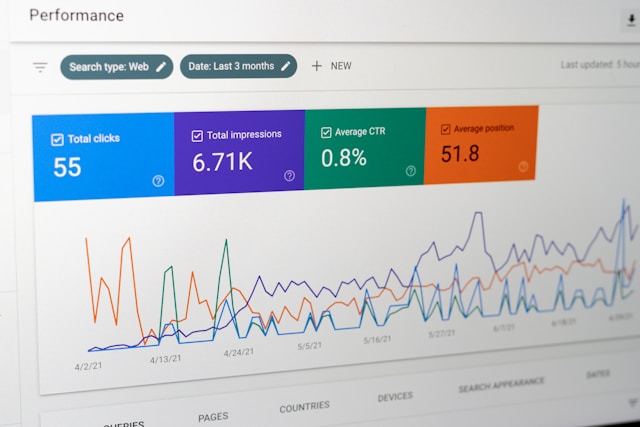
    Alt text: Website localization strengthens customer relationships through a better website experience 
Image source: unsplash.com.
    Website localization strengthens customer relationships through a better website experience Image source: unsplash.com.

    Website localization is more than just preparing a website before launch. But, it is about building a strong communication foundation that supports sustainable business growth in international markets. When audiences feel understood through their language, cultural context, and a localized digital experience, a website becomes more than just an online presence; it becomes a valuable business asset. This also strengthens customer relationships while fostering trust across borders.

    With this foundation in place, choosing the right localization partner becomes the next important step. As a website localization company, SpeeQual is ready to help you create a multilingual website that is relevant, consistent, and designed to support your global expansion effectively and sustainably.


  • Why Your Brand Needs a Website Globalization Strategy to Compete in 2026

    Why Your Brand Needs a Website Globalization Strategy to Compete in 2026

    Websites today have evolved far beyond being just a brand showcase. In the 2026 market landscape, businesses need more than simply having a digital presence, they need to build genuinely personal connections that go beyond merely offering content in English. Companies aiming for global expansion must implement the right website globalization strategy, combining the right language approach with a deep understanding of cultural nuances in every target market.

    This has become increasingly important because consumers are quick to leave websites that feel unfamiliar, whether in terms of language or cultural relevance. Data from CSA Research, as cited by Slator, reveals that 40% of consumers will never buy from websites in other languages, while 76% prefer information presented in their native language.

    In the hyper-connected 2026 economy, website globalization is the digital bridge between global ambition and local belonging. In the context of today’s modern global competition, understanding and implementing the right globalization strategy is essential. To better understand website globalization strategy, let’s explore it in greater depth.

    Beyond Translation: The Strategic Pillars of Globalization

    Website globalization is a crucial pillar for brand identity.
    A winning globalization strategy is a calculated move that goes far beyond simple translation to achieve market dominance. [Source: magnific.com]

    In a website globalization strategy, the foundation goes far beyond simply translating content. What truly matters is building a deeper and more comprehensive operational structure. This includes adapting systems, workflows, and user experiences to meet the needs of different markets. A globalized website is an operational chameleon; it adapts its functional DNA—from payment gateways to logic flows—to thrive in any cultural habitat.

    In addition, adapting functional features is a crucial step in strengthening a website globalization strategy. One key example is integrating local payment systems to make transactions easier for users in every region. With this approach, payments can run more smoothly without technical barriers or friction caused by different payment habits across countries.

    This approach also helps maintain a consistent brand identity across international markets. While features and user experiences may be localized, the core character of the brand remains intact. At the same time, regional relevance is carefully considered so users feel more connected and understood. This balance allows a brand to stay both strong and adaptable in the global marketplace.

    Hence, an effective website globalization strategy is not only about appearance or language. It is a combination of a solid operational foundation, locally relevant features, and consistent brand identity. With a balanced approach, businesses can deliver a more natural and seamless user experience across every region.

    Winning the SEO Game on a Global Scale

    Global SEO competition is becoming increasingly complex as cross-border digital markets continue to grow. To compete effectively, businesses need a more focused and adaptive approach. This is where a website globalization strategy becomes essential as the foundation for building sustainable international visibility.

    1. Effective global SEO optimization should begin with in-depth local keyword research. Every region has its own search behavior, making local context a critical factor. Global SEO is about capturing ‘local intent’; it’s the difference between being found and being relevant in a crowded international search result. This step strengthens the foundation of a website globalization strategy and enables more precise market penetration.
    2. From a technical perspective, implementing hreflang tags is crucial to ensure that pages are displayed according to the user’s language and location. When configured properly, search engines can direct audiences to the most relevant version of the website. This not only reduces duplicate content issues but also improves indexing accuracy across multiple countries. Within a website globalization strategy, this step helps maintain consistency in global search performance.
    3. In addition, website speed powered by regional servers plays a major role in delivering a smooth user experience. The closer the server is to the audience, the faster the page loading time becomes. This directly impacts both user satisfaction and overall site performance. In a website globalization strategy, speed optimization is a key factor in maintaining competitiveness across international markets.

    Building Radical Trust through Cultural Relevance

    Website globalization is crucial for building connection with local audiences.
    Radical trust is built when your digital presence reflects the authentic cultural identity of your target audience. [Source: magnific.com]

    A website globalization strategy serves as a crucial foundation for building strong first connections with local audiences. When a brand is able to adapt its communication style and overall presentation to align with local cultural contexts, trust can grow more naturally and much faster among users.

    Furthermore, this adaptation goes beyond messaging alone—it also extends deeply into the visual experience. Visuals speak before the text is read; a culturally-tuned layout acts as a silent ambassador, building a foundation of trust before a single word is processed. The right color choices can create feelings of comfort and trust, while unsuitable design decisions may disrupt the user experience. On a deeper level, using symbols that do not resonate with local culture can lead to misunderstandings and potentially harm the brand’s reputation in the eyes of the public.

    In this context, SpeeQual helps brands implement a website globalization strategy in a more structured and targeted way. With an approach centered on local relevance, every website element is designed to reflect the company’s values while staying aligned with the expectations of each target market. This allows brands to appear more credible, relatable, and easier to accept across different regions.

    Thus, the success of a website is determined not only by the quality of its products or services, but also by how effectively it communicates with its audience. With the right strategy in place, brands can build long-term relationships rooted in trust. SpeeQual helps businesses grow as strong, relevant, and trusted local entities in every market they enter.

    Operational Efficiency and Long-Term Scalability

    In a website globalization strategy, operational efficiency plays a vital role in supporting long-term growth. Simplified content management makes it easier to add new languages without disrupting website stability. A well-structured architecture also helps keep the system secure as it continues to scale. Does global expansion always have to be complicated? With the right approach, market expansion can move faster while remaining efficient, controlled, and secure.

    Furthermore, automation systems are essential for maintaining consistent information across different regions. Through synchronized mechanisms, updates can be implemented simultaneously without delays. This significantly reduces the risk of data discrepancies between countries. Inconsistent data is the enemy of global trust; a synchronized globalization infrastructure ensures your brand speaks with one voice, across all time zones. The impact could negatively affect the user experience across multiple global platforms.

    At the planning stage, a well-prepared strategy from the beginning can save costs while minimizing errors during expansion. Investing in the right system design reduces the need for major fixes in the future. After all, isn’t prevention more efficient than correction? With this approach, a website globalization strategy can operate more consistently, sustainably, and reliably on a global scale.

    Conclusion: Scaling with Confidence in a Globalized Market

    The future of the web is local. To scale with confidence, your website must be as culturally fluent as the customers it aims to serve. A website globalization strategy serves as a crucial foundation for ensuring a consistent user experience across different countries. With the right approach, companies can expand their reach without losing the essence of their brand identity.

    In addition, implementing this strategy helps optimize website content and structure to make them more relevant in every region. Adapting language, cultural nuances, and user preferences becomes a key factor in driving stronger engagement. As a result, businesses are better positioned to compete effectively on an international level.

    Hence, the success of a website globalization strategy depends on consistency, flexibility, and a deep understanding of local markets. Companies that can combine technology with the right communication strategy will find it easier to achieve sustainable growth. That is why a structured global approach has become essential for scaling confidently in the digital era. Even as global challenges continue to evolve, fast adaptation will consistently provide modern businesses with long-term competitive advantages in the global marketplace.

  • Website Localization Services That Actually Work for Malay Users

    Website Localization Services That Actually Work for Malay Users

    Many brands feel they have gone international simply because their websites offer language versions. 

    Malay users often face text translated into Malay but experiences still feeling foreign, unnatural, and disconnected from local expectations. The menus, buttons, and even the communication style do not align with how local users understand information. As a result, even though the translation appears correct, visitors do not feel connected, and driving conversions is challenging.

    In the Southeast Asian ecosystem, Malay is not just translated text. Each market has unique cultural context, UI reading habits, purchasing behavior, and digital-trust baselines that differ from English and Indonesian. This understanding ensures every website element—from CTAs to payment instructions—feels natural and intuitive for Malaysian users.

    Therefore, effective website localization services are not just about translation speed.  The right localization service adapts content to local thinking and interaction, creating familiar, relevant experiences that build trust.

    With this approach, brands are not just present in language but truly accepted in the Malaysian market.

    The Malay Web Is a Trust-Based Marketplace

    Localization becomes inappropriate when Malay is incorrectly treated as Indonesian.

    Source: Freepik.com

    Malay online users pay close attention to the language used on a website. 

    Clear, natural language, a polite and accessible tone, and elements of trust, such as legitimacy, security, and transparency of information, are key factors in decision-making. Websites that present content in correct, professional Malay can foster a sense of security and comfort among visitors, making them more likely to interact, register, or purchase products.  This trust is crucial because Malay culture tends to prioritize respectful, clear communication.

    However, the most common localization mistake is assuming that Malay is identical to Indonesian or using a casual style without researching the market tone. Many companies rely solely on Google Translate, resulting in content that sounds unnatural or is culturally inappropriate. For example, the word “tolong,” which is the correct way to ask for help in Malay, is sometimes replaced with the Indonesian word “mohon.” 

    Mistakes like this makes users feel the content isn’t tailored to them, thereby reducing trust. Therefore, an effective website localization strategy must prioritize research into Malaysia’s language, culture, and market behavior. Understanding the nuances of the local Malay language and establishing a polite and relatable tone not only increases engagement but also creates a digital ecosystem that users trust more. 

    That way, the website can function as a safe and reliable marketplace, in line with the characteristics of online users in Malaysia.

    What “Actually Works” Means for B2B Buyers

    Website localization effectively targets B2B buyers, driving increased traffic from local markets.

    Source: Freepik.com

    For Business-to-Business (B2B) buyers, website localization is considered successful when tangible results are quantifiable and meaningful. One of the leading indicators is increased traffic from relevant local markets, along with high engagement with content. 

    A low bounce rate is a sign that visitors are finding the information they need and feel that the website experience is relevant to the local context. From this perspective, localization is not just about translating words, but about delivering an experience that resonates with the target audience in each country.

    In addition to engagement metrics, legal security and product information consistency are key areas of focus. Legal pages and product descriptions must be adapted to local regulations to avoid disputes or legal risks. This helps B2B teams launch campaigns and content without costly, time-consuming translation rework

    The smoothness of these operations measures the success of localization, as each revision can hinder go-to-market strategies and reduce the efficiency of cross-border campaigns. The final aspect that determines “what actually works” is brand voice consistency. Even though the website targets audiences in different countries, the brand’s tone and message must remain consistent. 

    Effective website localization ensures that global campaigns can be executed while maintaining brand identity, so that every interaction with potential buyers feels professional and confident. Hence, successful localization is a combination of traffic growth, legal compliance, and solid brand consistency.

    Core Elements of High-CTR, High-Impact Malay Website Localization

    Workflow localization for Malay-language websites requires several key components to be effective. First, it is essential to understand the local user community using user community insights so that the content can be relevant to their needs. 

    Next, local keyword research for Malay SEO is a crucial factor in making the website easier for the target audience to find.  Adjusting UI/UX limitations is also essential, including button sizes, text lengths, and navigation that suit Malay users’ habits. Furthermore, aligning visual elements and CTAs with the culture ensures content is not only understood but also feels familiar and appealing. 

    Finally, consistency in terminology and language maintains professionalism and avoids confusion that could lower conversion rates. All of these elements must be integrated into the workflow so that the website is truly optimized for the local audience. Beyond technical aspects, Malay users’ sensitivity to language is significant. 

    Ambiguous or overly literal phrases in privacy policies, terms and conditions, or product guarantee copy can cause mistrust. For instance, a global e-commerce company once received complaints because the copy “product warranty subject to terms” was translated literally, leading customers to believe the product warranty was invalid.  It should have been translated as “Products are guaranteed according to terms and conditions.” This small mistake could reduce CTR and customer loyalty.

    Hence, proper localization is not just a matter of translation, but also accurate adaptation of cultural and linguistic context.  By combining a structured workflow with a deep understanding of local sensitivities, websites can deliver a seamless user experience, increase engagement, and drive high conversion rates.

    How Professional Localization Partners Build Control, Not Just Output

    Professional localization partners do more than just provide quick translations. They build quality control through multiple layers: from consistency guardrails to maintain terminology consistency, to review loops that ensure each text is checked by various parties, to domain editing layers that tailor content to the industry context or target audience. 

    This approach ensures that each piece of localized material is not only linguistically correct but also contextually and professionally appropriate. For publishers or B2B brands, the need for high quality cannot be replaced by machines. 

    They require certified translators, local reviewers, and linguistic QA who can capture local nuances and technical terms. Machine translation alone is not enough to maintain content integrity, especially for complex business material. The presence of human experts ensures that the output is not merely translated but truly optimized for a specific audience.This is where SpeeQual Translation comes in as a bridge between B2B and the local Malaysian market. 

    Based in Malaysia, SpeeQual deeply understands the needs of the local market and Malay language culture. Their services combine certified experts and rigorous QA, ensuring B2B brands control messaging and maintain consistent brand presentation, not just translations.

    Hence, collaboration with SpeeQual is the right long-term investment for a business targeting the Malaysian market.

    How Localization Service Fits the Real Needs of B2B Malay Expansion

    Expanding B2B into the Malay market is not just about translating content; it’s about managing the complexity of business communication as a whole. Companies need a localization partner that protects strategic confidentiality and ensures consistent terminology using cross-page and cross-document glossaries.

    In addition, adjusting the tone of Malay to be professional, formal, and relevant to the industry context is crucial. The challenge increases when websites are regularly updated, requiring a neat, scalable process and thorough QA before content is published. SpeeQual Translation takes a professional localization approach that focuses not only on language but also on business context. 

    Supported by a team of domain-aware linguists, each piece of content is understood from the perspectives of the industry, the target audience, and the communication objectives. Besides that, SpeeQual’s team of professionals conducts QA and reviews to ensure accuracy, consistency, and compliance with brand guidelines. This approach keeps the localization process stable even as the volume and frequency of website updates continue to increase. Furthermore, SpeeQual understands that websites are living and update-driven assets. 

    Therefore, the service is designed to support continuous change without compromising quality. Focus goes beyond linguistic output to business impact—brand credibility, B2B Malay client trust, and effective communication that drives sustainable growth.

    Conclusion — The Only Localization That Scales Is the One Users Can Feel

    Website localization services are not just about translating words; they are about building an experience that feels familiar to users. In the Malay-speaking market, especially Malaysia, users have high expectations for language, cultural context, and local nuances. When websites use familiar local styles, users trust more, stay longer, and are more likely to take action. This is the basis of truly impactful localization.

    Website localization scalability means keeping consistent local flavor across every user interaction, not just expanding market reach. Malay in Malaysia has distinct characteristics, so generic localization approaches often fail to meet linguistic and cultural expectations. With the right localization strategy, brands can grow without losing their emotional connection to their audience.

    In the end, successful localization is something that can be felt, not just read. Website localization services that understand Malay and the Malaysian context create an authentic, relevant, and sustainable experience.

  • How Website Localization Services Elevate Your Global Online Presence

    How Website Localization Services Elevate Your Global Online Presence

    Nowadays, the digital world has made every aspect of life borderless. This includes businesses, which are increasingly finding it easier to expand into the global market. From MSMEs to decacorn-scale enterprises, digital technology is being utilized to expand their reach.

    For example, you no longer need to travel to Paris to buy luxury perfume; you can simply buy it online. However, for international businesses, this convenience also brings challenges such as language barriers, cultural differences, and local perceptions. Therefore, businesses require website localization services.

    Website localization isn’t just about translating a website from one language to the target language. It also includes adapting date formats, currencies, and user interface (UI) elements. This effort can build customer trust, increase brand loyalty, and expand market penetration by making the website feel local to international visitors.

    For example, suppose you have a market in Thailand. You need to localize your business website by adapting to your audience’s communication style, cultural practices, and local perceptions. Furthermore, website localization involves complying with local regulations, such as labeling or marketing materials.

    Understanding Website Translation and Localization

    Website translation and localization have become inevitable requirements for global businesses. Have you ever visited a website that automatically translates from one language to another? For example, the original language is Dutch, and you select the translation feature to English. Well, that’s an example of website translation. The goal is to convey information without adding any elements. This translation is faithful to the original text, linguistically accurate, and easy to understand.

    Website translation and localization are the processes of adapting all aspects of a website, from language to idioms, design, and images. Furthermore, functionality is also considered to ensure relevance. For example, adjusting currency, date formats, and payment methods is necessary. This ensures the website is culturally appropriate and relevant to a specific audience. The goal is to make the website appear tailored to that market.

    For example, suppose your business’s target market is India. You localize your website specifically for your Indian audience. This effort goes beyond simply conveying information; it also requires adapting the tone of your communication. This can provide a unique experience for your audience, thereby fostering trust. Through this trust, your business will gain an advantage and be able to compete with other businesses.

    Key Differences Between Translation and Localization 

    Translation and localization go hand in hand. Localization won’t work without translation. However, relying solely on translation will result in information that has been translated into a different language. In a global business context, relying solely on translation can lead to misleading information and even violate local regulations. This is because translation fails to consider the cultural context and colloquialisms of the target audience. For example, during the translation process, a website might neglect local regulations prohibiting the explicit display of contraceptives in advertisements. Hence, it could face sanctions.

    Another local perception is the use of color. The right use of color can evoke positive emotions in the audience and create a sense of cultural closeness. Colors carry different meanings across cultures. For example, in Japan, white symbolizes purity, while in some regions it represents mourning. Therefore, avoid making white the dominant color if it typically conveys happiness in your brand identity.

    How Website Localization Services Work 

    In general, website localization services work in three stages: internationalization, translation, and localization. Here’s a more detailed explanation.

    1. Internationalization

    In this stage, a professional will ensure your website’s infrastructure is flexible enough to support multiple languages. The focus is on structuring the website’s code system and architecture for easy customization. For example, creating a structure that can display local date, time, or currency formats.

    2. Translation

    This stage involves translating the source text from one language to another, maintaining the correct and accurate context. This stage includes localization, but does not yet include cultural context. Examples include translating product descriptions, blog articles, or buttons like “list” into the local language.

    3. Localization

    This is the process where you adapt all website elements to the cultural context, emotional relevance, and audience experience. For example, replacing images with local faces, changing colors to reflect local culture, adapting payment systems, changing language style, and optimizing SEO with local keywords. This stage polishes the website to create a visual appeal relevant to the target country. For example, if your target market is China, you might choose the color red as a symbol of good luck, use idioms and language styles relevant to your Chinese audience, and optimize relevant keywords.

    Core Elements of Effective Website Localization

    Here are several steps you must go through in the website localization process.

    1. Language Quality & Style Consistency

    This strategy serves as a roadmap to ensure your messages and content are locally relevant while still aligning with your brand identity. When developing this strategy, you need to understand your target market country. This strategy is integral to your brand translation process.

    2. Cultural Relevance & Visual Design

    At this stage, visual elements, such as images, colors, and symbols, need to be culturally appropriate. This avoids misunderstandings and aligns with local values. Furthermore, UI and UX designs are personalized to suit the country’s audience.

    3. SEO Localization & Keyword Research

    After designing the pages, the next stage is local SEO optimization. This involves creating content relevant to the target country, using local keywords, and adjusting meta tags.

    4. Technical Optimization

    This aspect is crucial in the localization process. It ensures the website is functional and accepted in the local market. This stage includes changing the date and time format, currency, payment method options, and compliance with the country’s regulations and laws.

    5. Testing & Continuous Update

    Test each element thoroughly to ensure it functions correctly. This also helps to avoid technical and translation errors.

    The Business Impact of Website Localization 

    Website localization isn’t just about translating languages; it’s about creating a user experience that feels intimate, culturally relevant, and emotional for the audience. Another advantage for companies in global business practices is that they can compete more effectively. When your company is competitive, it will play a role in driving sustainable global economic growth. Furthermore, your business can excel and be stronger than others.

    For a more complete explanation, here are the benefits of localization for your business.

    1. Higher conversion rate

    Localization can increase the likelihood of your audience making a purchase or taking a desired action. According to data from CSA Research, 65% of consumers will prefer content in a brand’s own language, even if it’s not perfect. This is because consumers tend to trust transactions in a language and format they understand.

    2. Stronger brand trust

    Communication style, cultural relevance, and emotions can increase audience trust in your brand. Furthermore, they’ll perceive your content as authentic when you use humor that resonates with them.

    3. Improved international SEO

    Using local keywords and meta tags in the local language, along with a suitable domain, will make it easier for local search engines to find you. For example, if your target market is South Korea, you need to adjust your keywords to be readable by Naver’s search engine.

    4. Customer retention in multiple markets

    Customers will return more frequently to sites that are easy for them to understand and meet local expectations. Therefore, companies can maintain a stable customer base.

    Choosing the Right Website Localization Partner 

    When choosing website localization services, you need to consider several criteria. This ensures your content is not simply translated, but also adapted emotionally, culturally, and perceptually to suit your audience. Therefore, here are some considerations:

    1. Expertise

    Choose an agency with professional translators who are experts in their field. At SpeeQual, we have a team of translators with over 10 language pairs. You can consult with us about your target language to localize your website.

    2. Experience

    Look for verifiable evidence of success, such as reviews or case studies. Then, see if other companies similar to yours have worked with them. For over 27 years, SpeeQual has been trusted by a diverse range of clients, from technology to automotive.

    3. Use technology

    At SpeeQual, we use CAT tools in the translation process to ensure speed, precision, and consistent terminology.

    4. Have a strict QA system

    In addition to a reliable translation process, ensure your translation partner implements strict QA. SpeeQual implements a strict QA system to ensure the quality of localization results. We utilize machine-assisted QA using checking tools.

    5. Support smooth communication

    Communication is crucial in the localization process to avoid ambiguity in the translation.

    In the future, the use of Artificial Intelligence (AI) will become integral to the translation and localization process. As time progresses, work will be increasingly facilitated by AI. For example, to increase translation accuracy, translators use AI. Besides being accurate, it also saves time. Initially, the use of AI was feared because it could replace human work. However, we as humans can choose to collaborate and utilize it wisely.

    One of the AIs we already use at SpeeQual is CAT. This technology enables translators to work more efficiently and deliver the best results for clients. CAT is also integrated with specialized terminology management, eliminating the need for manual creation.

    Furthermore, we utilize Machine Translation Post Editing (MTPE) to refine translations to suit your business needs. This technology combines cutting-edge AI with human linguistic expertise. Through this AI technology, we can ensure your message is conveyed accurately, professionally, and culturally relevant.

    Conclusion: Be Relevant to Your Global Market  

    The development of the digital world has made it easier to conduct business across borders. No longer is it necessary to sail the Silk Road like businesspeople did hundreds of years ago. Businesses are increasingly utilizing digital technology in their global operations. However, these efforts will be unsuccessful without translating and localizing their websites.

    In the midst of the race to expand businesses on digital platforms, SpeeQual offers website localization services, a solution for taking your business to the next level. We don’t just translate manually, but utilize AI technologies like CAT and MTPE to ensure a more precise translation process without compromising cultural adaptability.

    Still unsure about translating and localizing your website? Consult us!