
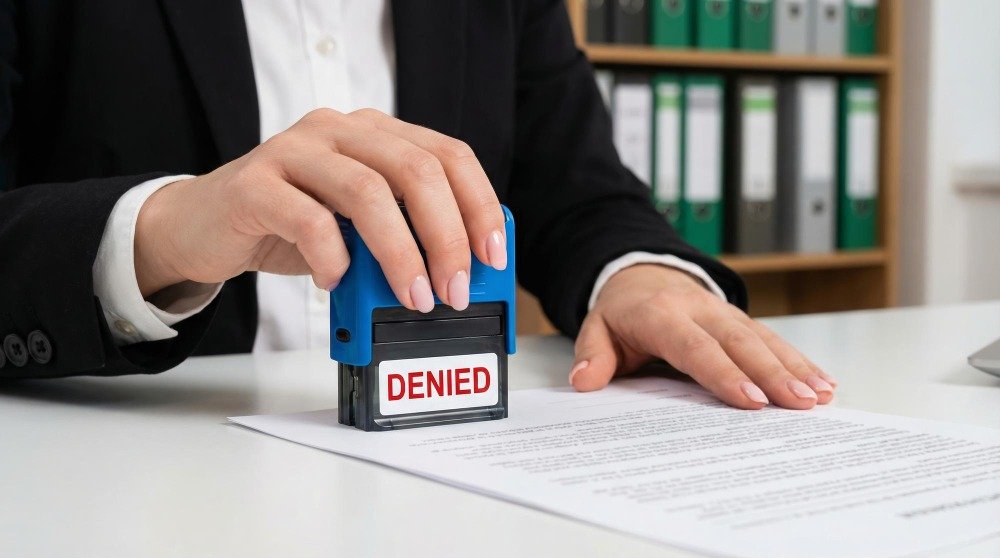
![Localization QA catches cut-off labels and other bugs hidden by word-for-word translation.]](https://speequal.com/wp-content/uploads/2026/09/image-35-1024x683.jpeg)
A translation can be word-for-word accurate and still ship broken: a button label that gets cut off, a date format that confuses a local user, or a currency symbol that never gets localized at all.
Localization QA (LQA) is the review step that identifies localization bugs before launch, which translation alone does not address, by checking how translated content behaves within the interface, layout, or document where it is used.
Teams that treat translation and LQA as the same step often ship content that reads correctly in isolation, but fails once placed inside a real app screen, product page, or printed manual.
What should a localization QA review check before launch? A useful LQA pass evaluates several distinct categories, starting with whether the translation itself is linguistically sound.
Linguistic Accuracy and Consistency
![Linguistic review checks every translation for accuracy and consistent terminology.]](https://speequal.com/wp-content/uploads/2026/09/image-33-1024x709.jpeg)
A linguistic review checks that translated text is accurate, natural, and consistent with an established glossary and style guide. Aligned with the ISO 17100:2015 standard for translation quality, this second-linguist check prevents terminology drift across large products or documents.
Reviewers who are native speakers of Indonesian or Malay, rather than a related regional language, are needed here because dialect and register differences are significant even within closely related languages; this is part of the process for checking localized content quality before anything is released. This pass also flags tone mismatches, content translated too formally or too casually for its context, and the kind of judgment call automated QA checks can flag for spacing and terminology but cannot make on their own.
Getting the language right is necessary but not sufficient once that text has to live inside an actual layout.
Functional and Layout Testing
This is where the distinction between linguistic QA and functional QA becomes critical. Functional LQA checks that translated text does not break its interface, catching truncated buttons, overlapping labels, and overflowed containers. Text expansion testing is vital here, as translated text, including Indonesian and Malay, commonly runs 15 to 30 percent longer than the English source.
This functional pass is the backbone of app localization testing for Southeast Asia teams, especially as functional QA struggles to keep pace with faster release cycles. Date, time, currency, and number formatting need to match local conventions, not just be translated, since a US-style date format or dollar-denominated price left unlocalized undermines trust even when the surrounding text is correct. For printed manuals specifically, this same layout testing checks that translated warning text and instructional steps have not been pushed off a page or clipped by a layout built for shorter English text, one of the common software localization mistakes teams repeat across releases.
Beyond function, LQA also has to check that the content fits the cultural context it is landing in.
Cultural and Compliance Review
![Cultural review helps to avoid inappropriate local references.]](https://speequal.com/wp-content/uploads/2026/09/image-34-1024x682.jpeg)
Cultural review checks imagery, color choices, and references for appropriateness in an Indonesian or Malaysian context, catching issues a linguistic-only review would miss entirely.
For regulated content, such as product manuals or e-commerce listings, LQA should include a legal compliance check. Indonesia’s Consumer Protection Law mandates local usage information in Indonesian, while Malaysia applies its own specific labeling rules for the same categories. This pass also catches claims that may be technically accurate in the source language but carry different legal weight once translated, particularly around health, safety, or halal-adjacent wording.
Bringing these checks together into a pre-launch localization testing checklist is what separates a real LQA pass from a quick proofread.
Building an LQA Process That Actually Catches Problems
Turning these three passes into a genuine localization QA checklist before launching in Southeast Asia, rather than leaving one reviewer to catch everything in a single read-through, is what makes a process repeatable. A website localization checklist before launching follows the same logic for web content specifically.
- Separate your review passes: run linguistic, functional, and cultural reviews as distinct stages with specialized reviewers, rather than expecting one person to catch every category of issue in a single read-through.
- Test in the live environment: review translated content inside its actual target layout, the real app build, product page, or printed layout, rather than isolated inside a spreadsheet.
- Build a standing glossary and style guide: document decisions from your first LQA pass onward so consistency issues caught once do not resurface in future releases.
SpeeQual runs this kind of structured review as a dedicated localization partner for teams launching apps, manuals, and websites across Indonesia and Malaysia, carrying the glossary work forward into every project instead of starting over on the next one.
A process built this way scales with a product rather than needing to be rebuilt for every new release.
Conclusion: Ensure Launch-Readiness with End-to-End LQA
A launch-ready product in Indonesia or Malaysia needs more than accurate translation. It needs a structured LQA process that checks language, function, layout, culture, and compliance together, since any one of those failing on its own is enough to undermine the launch.
SpeeQual has run full LQA passes for apps, product manuals, and websites launching in Indonesia and Malaysia since 1998, combining linguistic, functional, and compliance review before content ships. If your team has a launch date on the calendar, get in touch with SpeeQual, and we will scope the LQA pass your product needs before it goes live.

![A mobile app localization strategy starts with more than just choosing a translation vendor.]](https://speequal.com/wp-content/uploads/2026/09/image-3.jpeg)



![Localization QA catches cut-off labels and other bugs hidden by word-for-word translation.]](https://speequal.com/wp-content/uploads/2026/09/image-35.jpeg)
![Indonesia’s halal framework brings cosmetics under mandatory certification.]](https://speequal.com/wp-content/uploads/2026/09/image-32.jpeg)
![Preparing technical manuals for the Malaysian market.]](https://speequal.com/wp-content/uploads/2026/09/image-20.jpeg)