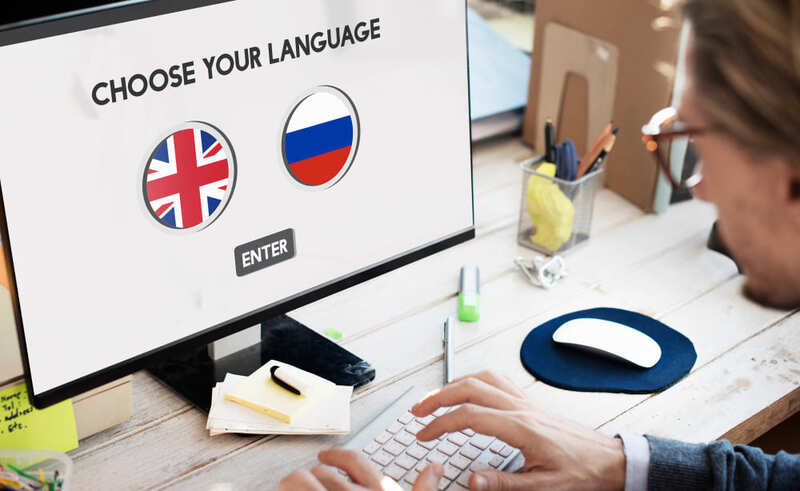
Today, as more people prioritize their health, the healthcare industry is moving faster to expand into the global market. This optimism can be seen in Deloitte’s Global 2026 report, where 72% of healthcare system leaders across different countries view the coming year positively. This situation creates major growth opportunities as demand for healthcare services, medical technology, and health innovation continues to rise across borders.
However, these opportunities often come with complex regulatory challenges. Every country has different medical standards, documentation requirements, and patient communication regulations. Inaccurate terms or information can lead to legal risks, delays in product approvals, and even a loss of public trust in the healthcare services being offered.
This is where medical translation compliance becomes a strategic foundation, not just a simple translation trrocess. Medical translation compliance helps ensure that information remains accurate, follows local regulations, and is easy for stakeholders to understand. With this approach, international expansion can move faster while maintaining the credibility of healthcare institutions in new markets. In the high-stakes healthcare migration of 2026, linguistic precision is a regulatory shield. Discover how medical translation compliance transforms cross-border friction into market velocity.
Overcoming Regulatory Barriers in New Markets
Imagine a healthcare product that is ready to enter the market but gets delayed simply because the documents do not meet the standards of the target country. This situation often happens because each country has its own health authority with different regulations. Malaysia and Singapore, for example, apply their own legal frameworks, document formats, and validation requirements. Companies must adjust all documents to meet medical translation compliance from the beginning of the process.
These regulatory differences make language compliance more than just a matter of translation. Inaccurate medical terms or unsuitable information formats can lead to repeated revisions. As a result, the evaluation process is delayed, and product approvals take longer. These delays often lead to additional costs, lost market opportunities, and postponed product distribution.
For this reason, language accuracy becomes an important part of a compliance strategy. Health authorities do not just read translations; they audit them. A single misaligned medical term on a clinical trial protocol can stall regulatory approval for months. Even small inconsistencies can raise doubts about the validity of the submitted data.
Therefore, translation that follows regulatory standards helps documents pass through the administrative process more smoothly. This approach supports medical translation compliance through precise terminology, proper structure, and complete information. As a result, documents have a greater chance of passing evaluations without unnecessary administrative obstacles.
Ensuring Absolute Accuracy for Medical Devices and Software

Have you ever imagined what could happen if the instructions for a medical device were translated with just one incorrect term? In the healthcare industry, user manuals and digital interfaces are not simply supporting texts. They serve as important references when medical professionals and users make decisions. For this reason, language clarity must be maintained carefully so the device functions are understood correctly and comply with medical translation compliance standards.
This need becomes even more critical because a single misinterpretation of a technical term can significantly change the meaning of an instruction. A word that appears simple may lead to improper use of the device. The impact goes beyond operational issues and can also threaten patient safety. Risks like these make translation accuracy an essential part of user protection.
On the other hand, guides in local languages help information be understood more quickly and easily. Users can follow instructions with greater confidence without confusion caused by foreign terms. However, even one translation mistake can still lead to financial losses, legal disputes, and damage to a company’s reputation in the eyes of the public and regulators.
Engineering a flawless localized software interface requires zero-error toleration. Partnering with SpeeQual secures your technical accuracy while safeguarding patient safety. A team that understands medical contexts can help your materials sound natural for local users without changing the technical meaning. This approach supports medical translation compliance while also strengthening trust in your company’s quality.
Building Local Trust with Providers and Patients

A healthcare institution reviews dozens of documents before deciding to establish a partnership, as even one unclear piece of information can affect the quality of patient care. This situation explains why local institutions tend to choose products with transparent documentation. Transparency makes it easier to trace standards, evaluate risks, and verify compliance with applicable regulations. They need assurance that every process is not only convincing in words, but also supported by evidence that can be properly reviewed. This is where trust is built through real accountability.
That trust becomes even stronger when medical information is translated ethically. Accurate translation preserves the clinical meaning of the content and reduces the risk of misinterpretation that could influence patient decisions. In medical translation compliance practices, precision is essential because healthcare messages must be understood clearly without losing cultural context or local values. Consumers are more likely to view a brand as credible when information is delivered clearly, responsibly, and without misleading statements.
The credibility that has been established also depends on how organizations protect patients’ personal information. Ethical translation is the cornerstone of clinical trust—ensuring that complex patient-consent documents maintain absolute legal validity across different privacy jurisdictions. This is increasingly important as global patients become more aware of data breach risks, especially in digital healthcare services involving multiple systems and parties.
When documentation transparency, ethical translation, and legal compliance work together, relationships with healthcare providers and patients become more stable. Medical translation compliance not only supports operational processes, but also strengthens the sense of security needed to maintain long-term trust.
Optimizing the Localization Workflow for Faster Time-to-Market
A healthcare company once had to delay a product launch because its documents required repeated revisions after reaching the final approval stage. Situations like this often occur when language experts are only involved after most of the process has already been completed. In fact, involving them from the beginning helps align technical terminology, clinical context, and local regulatory requirements before larger issues arise. In medical translation compliance practices, this approach shortens revision cycles because potential misunderstandings are anticipated early in the planning stage.
This foundation is further strengthened through structured text audits. Layered reviews of terminology, formatting, and legal compliance allow inconsistencies to be identified before documents are submitted to regulators. This step reduces the risk of rejection because all information has gone through validation based on local standards. As a result, the workflow becomes more stable and less vulnerable to sudden corrective revisions.
This efficiency creates strategic benefits for companies. When documents can be processed faster while maintaining a high level of compliance, opportunities to enter the market earlier become much greater, strengthening the company’s competitive position.
Conclusion: Compliance as a Growth Catalyst
Many companies only realize the importance of compliance after their expansion process is delayed by document revisions or prolonged approvals. In the healthcare industry, these situations can affect trust while also slowing business growth. For this reason, medical translation compliance is not only about meeting regulatory requirements, but also about maintaining accurate communication across different markets.
This understanding shows that compliance implemented from the beginning can build a more consistent process. The risk of terminology errors can be minimized, while the need for major adjustments becomes less frequent. As administrative barriers decrease, companies gain more flexibility to focus on innovation, service development, and expansion strategies.
The impact goes beyond smoother operations. Compliance is the ultimate engine for sustainable healthcare growth. Protect your clinical innovations by anchoring your global expansion in verified precision.