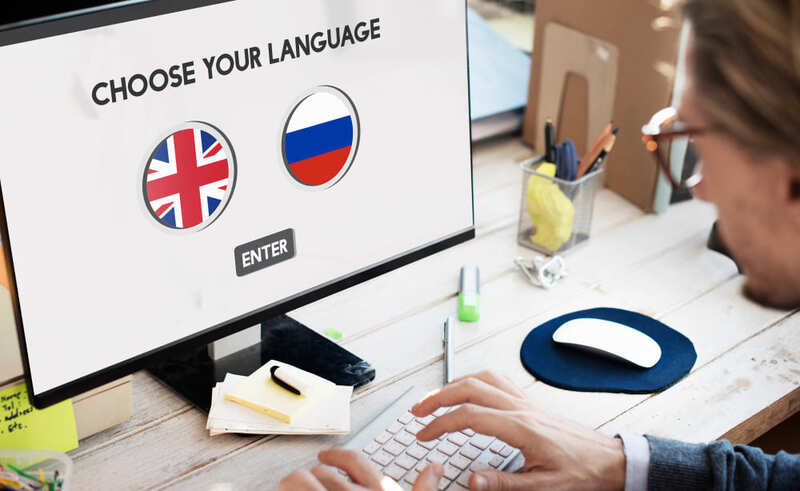
In an era where brands can cross national borders, communication has become a factor that cannot be overlooked. Many companies are now expanding globally, no longer limited to a single country or region. Each market has its own way of delivering product information, and the challenge is that literal translation often causes messages to lose their nuance. This can create an uncanny valley effect in communication and reduce the trust of local consumers. In fact, CSA Research, as cited by Slator, found that 76% of consumers prefer products with information presented in their own language.
This finding shows that message accuracy cannot be achieved through translation alone. Brands also need to understand cultural contexts, communication habits, and the emotional perceptions of local audiences. Doing so helps preserve the intent, tone, and value of a product, allowing it to remain relevant without losing its original identity.
In the borderless commerce of 2026, translation merely converts words, but linguistic validation preserves the brand’s soul. Discover why rigorous validation is the ultimate firewall for global market integration.
Why Literal Translation Fails to Convey Intent
A message may sound grammatically correct, yet still fail to connect with its audience. This gap often appears when companies assume translation is simply a matter of using a dictionary. In a linguistic validation process, language is viewed not just as a collection of words, but as a reflection of how people express emotions, habits, and cultural values. That is why effective communication starts with how local audiences understand a message, not merely how the message is translated.
This can be seen when European brands expand into Malaysia and translate their product materials literally. While the grammar may be correct, the message can still feel unfamiliar because it does not match the local communication style. In contrast, cultural adaptation has proven effective in building stronger consumer connections. One example is Indomie, which adapted its messaging and communication approach for the Nigerian market. According to The Guardian, this strategy helped strengthen local relevance and increase consumer loyalty to the brand.
When cultural relevance is overlooked, additional risks may arise, especially in important documents. Word-for-word translation can change the meaning of medical instructions, legal contracts, or technical information. Even small errors can lead to serious misunderstandings because readers may interpret the message differently from its original intent. This is why the linguistic validation process is essential to ensure that meaning remains accurate across languages.
Failing to communicate the original intent can also damage a company’s credibility in international markets. Consumers are more likely to question a brand’s professionalism when communication feels rigid, confusing, or disconnected from the local context. Global trust is built through messages that are clearly understood by the target audience. Therefore, successful international expansion depends not only on translating words, but on preserving meaning.
The Multi-Step Rigor of Linguistic Validation

When a text is used across different countries, translation accuracy cannot be measured solely by matching words. In the linguistic validation process, one important stage is back-translation conducted by independent experts. In this process, the translated text is translated back into the original language by a different linguist without access to the original version. The result is then compared with the original text to identify any shifts in meaning, tone, or context that may have been overlooked. This process helps ensure that the message remains consistent across languages and cultures.
Consistency in meaning alone is not enough if local audiences still struggle to understand the message. That is why the next stage involves cognitive interviews with native speakers. Respondents are asked to explain how they interpret certain terms or sentences. Through this process, companies can identify whether the text feels ambiguous, overly formal, or open to different interpretations. This approach ensures that validation goes beyond linguistic theory and reflects the real reading experience of the audience.
The combination of back-translation and cognitive interviews creates a layered evaluation system. The goal is not only to produce an accurate translation, but also to ensure that the message is understood exactly as intended. In global business practices, processes like these help companies reduce the risk of miscommunication that could affect both reputation and market decisions.
SpeeQual standardizes the science of conceptual consistency, deploying independent back-translation matrices and native cognitive interviews to ensure your message lands exactly as intended. Our team of experts evaluates meaning, context, and clarity to keep your communication consistent across different markets. Do not let global expansion be hindered by misunderstood messages. Entrust your linguistic process to the SpeeQual team today.
Securing Data Integrity and Compliance Globally
In high-risk industries, linguistic failure is a compliance catastrophe. Methodical validation guarantees that multinational clinical data and legal frameworks remain uncompromised. According to The Guardian, a patient named Gia Lam developed a urinary tract infection after giving birth. However, the interpreter failed to communicate this information properly. The misunderstanding later led to severe complications and ultimately resulted in her death.
Proper validation helps ensure that international research data remains accurate and free from cultural bias. Without this process, research outcomes may become distorted due to differences in language interpretation. As a result, the quality of global data-driven decisions can also be affected.
Language validation also plays an important role in meeting strict international compliance standards. When cross-border communication has been properly verified, companies can reduce both legal and operational risks. This helps maintain the trust of regulators and international business partners in today’s global business environment.
The reliability of global communication depends heavily on a rigorous validation process. Without it, the risk of misunderstanding increases and can have serious consequences across critical sectors, especially healthcare and law.
The Business Value of Conceptual Consistency
![Linguistic validation as a strategy to maintain brand message consistency. [Source: magnific.com]](https://speequal.com/wp-content/uploads/2026/05/business-value-conceptual-consistency.jpg)
A single mistake in meaning can change consumer perception within seconds, and from that moment, the emotional connection with a brand may begin to shift. For this reason, maintaining the integrity of a message is not only about language accuracy, but also about ensuring that the values carried by a product remain relevant within the local context. Consumers are more likely to build trust when brand messages feel connected to their cultural reality. This is where the linguistic validation process helps ensure that terminology, emotional tone, and communication intent are conveyed without distortion. When meaning remains intact, brands are more easily seen as understanding the needs of the community.
That trust is directly linked to reputational cost. Cross-border campaigns that fail to communicate their message effectively often trigger misunderstandings, public criticism, and declining customer loyalty. The impact goes beyond revising promotional materials, as restoring brand image can require significant time and investment. Thorough language verification helps reduce these risks from the very beginning.
Conceptual integrity is an economic safeguard; validating your corporate terminology from day one eliminates the astronomical reputational tax of post-launch damage control. Brand identity remains stable even when introduced into different cultures. Consumers continue to recognize the same values, allowing market penetration to become more efficient and strengthening the brand’s global presence.
Conclusion: Bridging Cultures with Absolute Precision
A message may be delivered across many countries, but that does not guarantee it will be understood in the same way. This reality shows that global expansion requires more than simple translation. The linguistic validation process plays an important role in ensuring that the core message, emotional tone, and communication objectives remain intact when adapted to different cultural environments. This level of accuracy helps companies build trust that is not easily disrupted by language differences.
The trust that is built then becomes the foundation of long-term brand reputation. When meaning is communicated consistently, the risk of misinterpretation is reduced and potential damage to brand image can be avoided. Language validation also helps companies navigate the dynamics of international markets without losing the core identity of their products or services.
This consistency in identity strengthens global competitiveness. A brand is recognized not only for the quality of its products, but also for its ability to communicate with precision. The future of global scale belongs to the culturally precise. Elevate your documentation from a translated script into a resilient, globally trusted corporate asset.