
Category: Translation

  • Bridging Innovation and Market Fit: Patent Documents as a Foundation for E-Commerce Localization in Southeast Asia

    Bridging Innovation and Market Fit: Patent Documents as a Foundation for E-Commerce Localization in Southeast Asia

    The e-commerce boom in Southeast Asia over the past decade has opened up vast market opportunities for global brands. 

    According to a report frome-Conomy SEA 2025 by Google, Temasek Holdings, and Bain & Co., the e-commerce industry in Southeast Asia continues to climb, driven by video-based retail and AI-powered shopping tools. 

    Quoting Business Standard, the Gross Merchandise Value (GMV) of the e-commerce sector in the region will reach US$181 billion in 2025 across six major markets: Malaysia, Indonesia, the Philippines, Singapore, Thailand, and Vietnam. This figure is up 16 per cent from US$156 billion in 2024.

    IRising demand, rapid internet penetration, and a digitally savvy young population make the region a strong magnet for global innovators. However, amid increasingly fierce competition, innovation alone is not enough. 

    Many innovative products fail to compete because they lack proper patent protection and documentation, making them vulnerable to imitation or unable to prove their technological uniqueness when entering new markets.

    Patent documentation plays a crucial role as the legal and technical foundation that ensures innovations have a clear identity. 

    In the context of global brand expansion into Southeast Asia, patent documents help assert technology claims, map product differentiation, and minimize the risk of intellectual property infringement. 

    Without this foundation, efforts to adapt products to local needs are often hampered by regulatory uncertainty or later patent disputes.

    Therefore, before discussing localization strategies—from feature adjustments and user experience to marketing narratives—we must understand that strong products always begin with accurate patent documentation.

    Only with this foundation can innovation be translated into relevant and sustainable market value in Southeast Asia.

    The Hidden Insights Inside Patent Documents

    Patent documents reveal the fundamental aspects of an invention — not only its features and functions, but also its legal limitations and the history of its discovery. 

    According toWIPO, a patent document contains technical information from the description and drawings of the invention, as well as legal information from the patent claims defining the scope of the patent and its legal status. 

    This means the description and drawings explain how the invention works, while the legal claims determine the protection boundaries.

    In the context of digital expansion, patent documents are crucial for strategies such as copywriting, product listing writing, UX adaptation for local markets, and regulatory compliance. 

    Before entering a new market, UX and marketing teams must check whether patent claims cover the key features to avoid legal conflicts. If ignored, copyright or patent infringement may occur. 

    Bibliographic information (such as the application date, country of origin, and inventor) from patent documents also helps companies assess whether the invention is still legally active or has expired, making it safe to adapt.

    However, brands often underestimate the contents of patent documents and make mistakes when adapting features for local markets. 

    These mistakes include launching features that the courts block, claims for damages, or reputational damage due to IP infringement. 

    Therefore, patent due diligence is mandatory before product localization and must involve legal, technical, and local consultant teams. 

    For example, according to Reuters, Amazon once faced a local ban on streaming features in Germany due to a Nokia patent. If it had continued, it would have been fined €250,000 for each violation.

    When Patent Misinterpretation Leads to Localization Failure

    Errors in translating the claims of a patent document can lead to serious mistakes when an application or product is marketed in different countries. 

    If technical terminology is misunderstood, features may be promoted inaccurately, leading to localization errors and regulatory issues.

    In the context of legal and patent translation, the impact can be much greater than mere linguistic errors. 

    Inaccurate communication of meaning can lead to product rejection by local authorities, especially if the patent claims do not meet the legal standards of the destination country. 

    In fact, companies may face legal action from competitors or regulators for allegedly infringing on patented technology.

    In regional marketplaces, minor errors in technical documents or patent claims can result in banned listings. 

    Marketplaces that strictly examine technical information often reject products with inaccurate claims or that violate intellectual property laws in the region.

    Therefore, the use of certified translations for technical documents is essential. Certified translators not only ensure linguistic accuracy but also understand the technical and legal context surrounding each term, ensuring that the localization process is secure, consistent, and compliant with regulations. 

    This is also applied by SpeeQual, which uses certified translations to ensure that the translation of technical documents is secure and compliant with regulations in Southeast Asian countries. 

    Southeast Asia’s Localization Challenge: Diverse Users, Diverse Laws

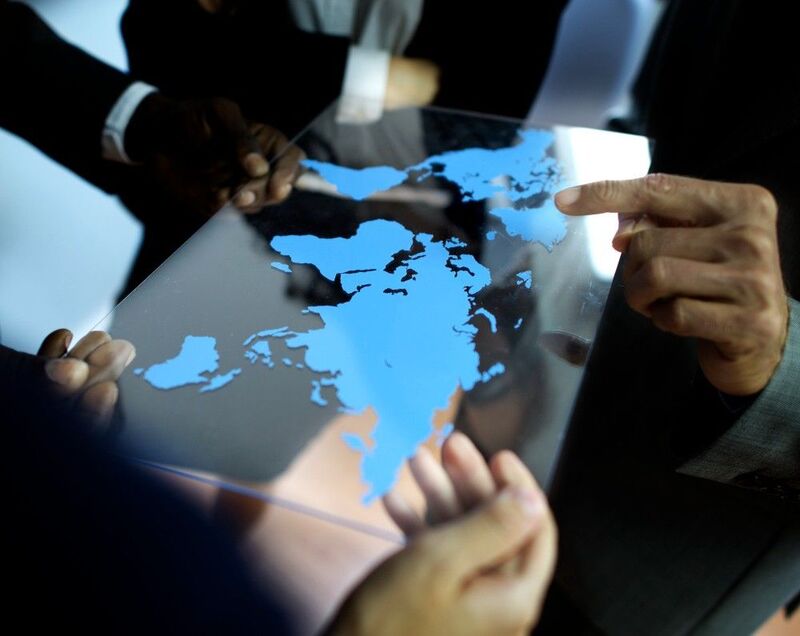
    Challenges of e-commerce localization in Southeast Asia due to varied culture and regulations.

    Source: Freepik.com. 

    Southeast Asia is a highly diverse market. The region is rich in languages and diverse online shopping preferences. 

    These factors make Southeast Asia a highly promising e-commerce market. According to Statista, the culture of online shopping in Southeast Asia has increased since the COVID-19 pandemic. 

    The relatively young internet user population has contributed to the development of the online shopping culture in this region. 

    However, digital market regulations also vary. For example, regulations in Malaysia require e-commerce platforms to be transparent about their information, including the identity of sellers. 

    Indonesian regulations prohibit social commerce from functioning as full e-commerce. Meanwhile, in Thailand, large digital platforms are required to register, be transparent about certain algorithms, report risks, and protect consumers. 

    Therefore, this diversity means that a one-size-fits-all approach is no longer relevant.

    Amidst this complexity, understanding patent documents is important for brands that want to adapt product features and messages. 

    Patent documents provide an overview of how the technology is designed, the permitted use limits, and the scope for legally safe innovation. 

    With this understanding, brands can execute local strategies without violating local regulations, which often differ from country to country.

    Localization in e-commerce is not just a matter of translating everyday language. 

    Accurate technical interpretation is essential to ensure product functions and features remain precise and compliant.

    Errors in translating technical elements can lead to miscommunication, regulatory non-compliance, or even a loss of user trust. 

    Therefore, with trusted certified translation services, a localization approach enables brands to be more sensitive to the target culture with technical precision.

    How Patent Documents Support Smarter E-Commerce Localization Strategies

    Clear patent documents help companies develop more innovative e-commerce localization strategies

    By understanding the scope of patents, teams can identify features that should not be displayed in specific markets, thereby preventing intellectual property rights violations. 

    This information also guides internal teams in creating legally compliant product descriptions and meeting regulatory standards in each country. 

    In Indonesia, regulators prohibit social commerce platforms from offering full in-app shopping functionality.

    In addition, patent documents provide important context for adjusting UI/UX. Elements such as layout, interaction flows, or specific UI mechanisms may be restricted by existing patents.

    By understanding these limitations from the outset, teams can design an optimal user experience that complies with local laws.

    Many companies now combine legal translation, product adaptation, and local compliance checks into a single integrated workflow. 

    This approach ensures that product adaptations are not only culturally relevant but also safe and compliant with legal requirements in each market.

    Where Professional Translation & Localization Services Make a Real Difference

    Professional translation and localization services help the brand comply with the laws.

    Source: Freepik.com. 

    Patent documents are a complex combination of technical and legal language, so general translators or machine translators cannot accurately translate them without in-depth post-editing. 

    Every term carries legal implications, and even minor errors may significantly affect IP protection.

    Therefore, patents require certified translators with a deep understanding of industry terminology, regulations, and legal writing standards in various jurisdictions.

    Brands entering Southeast Asia need specialised translators and localization experts to ensure compliance, reduce legal risks, and build credibility.

    In addition to patents and regulatory documents, e-commerce content also requires cultural adaptation, local keyword optimisation, and consistent brand voice. 

    Localization experts ensure labels and listings are translated accurately, remain relevant, and align with expectations of Southeast Asia’s diverse consumers.

    SpeeQual Translation and Localization prioritizes accurate, fast service without compromising on Southeast Asian cultural sensibilities. 

    Our localisation experts and specialised translators understand Southeast Asian languages and ensure patent and technical documents comply with regulations.

    Consider partnering with certified providers like SpeeQual to ensure accurate patent translations that fully comply with Southeast Asian regulations.Contact us to get the correct patent document translation!

  • The Dark Side of Patent Translation: Liability, Accuracy, and Certification Risks

    The Dark Side of Patent Translation: Liability, Accuracy, and Certification Risks

    Patent documents are a complex combination of technical and legal language, often discussing innovations with enormous financial value. 

    In addition, patent documents also contain specific scientific and legal terminology. Every word in these documents can affect intellectual property rights and a company’s potential profits. 

    Certified translators handle this process because translation isn’t just swapping words—it must preserve precise technical and legal meaning. Certified translators who handle patent documents are at high risk.

    Even small errors—wrong terms or misinterpretations—can trigger legal disputes, patent rejections, or costly financial losses.

    This pressure makes the profession highly demanding, requiring precise accuracy and deep understanding of both language and technical-legal contexts.
    The main risks in patent translation include terminology accuracy, legal liability, and high expectations from clients and patent authorities. 

    Certified translators must balance speed, accuracy, and legal compliance, as any mistake can severely affect finances and professional reputation.

    The High-Stakes Nature of Patent Documents

    Errors in translating patent documents weaken the company’s legal position.

    Source: Freepik.com.

    Patents differ significantly from ordinary technical documents because they combine legal language with highly detailed technical information. 

    Patent documents use legal terms such as claims, prior art, embodiments, and scope. These terms help define and limit the patent holder’s exclusive rights.

    Patents also contain complex technical details—spanning engineering, biotechnology, chemical formulas, and software algorithms—that explain how an innovation works.

    Word or term errors in claims can change the scope of protection and weaken the company’s legal position. 

    An example is claim limitation, which occurs when claims are too specific, such as mentioning certain materials that are not actually critical to the function of the invention, thereby narrowing the scope of protection. 

    Furthermore, ambiguous terms can arise when words or phrases can be interpreted differently, such as ‘efficient’ or ‘adequate’, which risks legal disputes. 

    Meanwhile, over-generalization occurs when claims are too broad without adequate technical support, potentially leading to invalidation due to insufficient support from the patent description.

    Therefore, translating this document requires certified translators to maintain a balance between broad rights coverage and technical accuracy. 

    This is because even the smallest error can open up legal loopholes for competitors or undermine the strategic value of the patent.

    Certified translator required to ensure accuracy in patent document translation.

    Source: Freepik.com.

    According to theWorld Intellectual Property Organisation (WIPO), accuracy in patent documents must apply a ‘zero-error tolerance’ standard because even the smallest error can lead to legal uncertainty, increased costs, or patent revocation. 

    This standard is important to properly protect inventions and maintain the credibility of the patent system.

    Here are some of the risks faced by certified translators:

    1. Mistranslation of technical terms → invalidation of patent

    A small error can make a claim ambiguous or depart from the inventor’s intention, and when tested at the patent office or in court, it can serve as grounds for invalidating the patent.

    1. Misinterpreting legal clauses → lawsuit

    Patents are not only technical documents, but also contain legal clauses that regulate rights, limitations, definitions, and legal terminology. 

    Such misinterpretations can trigger legal conflicts, as other parties may sue for infringement, patent invalidity, or different interpretations arising from translations that do not reflect the original legal intent.

    1. Inconsistencies across patent family → rejection by patent offices

    Inconsistencies can cause patent offices in one country to reject applications or consider claims unclear/not meeting requirements, resulting in applications being rejected or patents being deemed invalid in that jurisdiction.

    Therefore, the use of specific references — such as IPC codes, WIPO terminology, and bilingual patent databases — is essential to ensure precise, consistent translations that are technically and legally accurate.

    Liability and Legal Exposure for Certified Translators

    Certified translators are often blamed when patents are rejected or disputes arise, because the documents they translate are considered an important part of the legal or administrative process. 

    Small errors in translation can have a major impact on the interpretation of the patent’s content, so law firms or companies tend to place the responsibility on certified translators. 

    Their professional reputation is often at stake, even though the error may have been caused by other factors.

    In addition, the legal and financial risks for certified translators are quite significant. They may face claims from law firms or companies related to translation errors, including requests for financial compensation for losses incurred. 

    In extreme cases, such errors can even lead to the loss of certification licences. Therefore, their role is highly vulnerable to legal claims.

    It is important for certified translators to have adequate protection. Liability insurance is one of the key measures to reduce financial risk in the event of a claim. 

    In addition, signing NDAs with clients can maintain the confidentiality of sensitive information while strengthening the professional position of translators in legal disputes related to certified translations.

    Multi-layer quality assurance is also essential to minimise risk. A layered review process, including internal and external reviews, can ensure the accuracy of patent translations before they are submitted. 

    With a combination of legal protection, QA procedures, and compliance with certified translation standards, the risk of errors can be minimised, protecting the translator’s reputation and financial security. 

    As a translation service, SpeeQual also does the same things, ensuring to minimise risk through multi-layer quality assurance. 

    In patents, a single word can change the meaning. SpeeQual ensures that every translation is precise, helping clients protect their intellectual property with confidence. 

    Skills Gap: Why Not Every Certified Translator Should Handle Patents

    Translating patent documents is often considered to be merely a matter of language skills, when in fact the challenges are far more complex. 

    Many people underestimate the gap between language competence and the technical expertise required. 

    Patents use specific terminology from engineering, biotechnology, or software architecture that cannot be understood with linguistic skills alone. 

    In addition, translators must be able to read technical diagrams, understand process flow charts, and recognize scientific and legal terms that are crucial to maintaining translation accuracy. Failure to understand the technical content can lead to misinterpretation and high legal risks.
    When technical abilities do not match language skills, the quality of patent translations can be greatly affected. 

    This makes the patent translation process a job that requires high concentration and extreme precision. 

    In addition, translators must understand the context of ‘prior art’ so that the translation accurately reflects the innovation, without creating ambiguities that could potentially harm the client or patent owner.
    As a result, many certified translators choose to avoid patent translation. The high legal risk, mental strain, and technical complexity make this job unsuitable for everyone. 

    Professionalism in this field requires a unique combination of linguistic ability, technical understanding, and legal precision, making the gap between language skills and technical competence a determining factor in the success of patent translation.

    Expanding Beyond High-Risk Fields: Safer Specializations Like Game Localization

    Not all certified translators are suited to handling patent documents, as this work requires a deep understanding of law, technical terminology, and a high degree of accuracy. 

    The risk of error is so great that not all professionals are willing to take on the responsibility. 

    As a result, many certified translators are now choosing other fields that are still challenging but safer, such as game localization services

    In this field, complexity remains, for example, cultural context adaptation, technical gaming terms, and storylines, but the legal risks are much lower than with patents. 

    This choice allows translators to maintain professional quality while significantly reducing pressure.

    For game localization needs, SpeeQual offers certified translation services with reliable certified translators. 

    Not only do they understand the cultural context of the target country, but they also ensure accuracy through a multi-layered Quality Assurance process. This is an effort to deliver precise and accurate translations.

    Contact us to get our best services.

  • Localization Services in Malaysia: The Hidden Power of Machine Translation Post-Editing

    Localization Services in Malaysia: The Hidden Power of Machine Translation Post-Editing

    In a coffee shop in Malaysia, conversations often jump from Malay to Mandarin to English without pause, like a natural dance of languages. 

    This scene is not only unique but also a reflection of Malaysia’s identity as a vibrant multilingual country. 

    This long-standing cultural richness makes communication that mixes two or three languages commonplace.

    In this atmosphere, localization services are a necessity in Malaysia. It is not just a technical service but an art of understanding the cultural nuances behind each word.

    This diversity makes Malaysia an ideal testing ground for collaboration between machines and humans. 

    Machine Translation Post-Editing (MTPE) acts as a bridge: machines provide speed, while human editors preserve the subtleties of local context.

    In a fast-moving and highly competitive market, this hybrid approach allows brands to deliver multilingual content with precision without sacrificing efficiency. 

    However, one fact remains undeniable: the Malaysian market does not forgive translations that are stiff or feel ‘foreign.’ Consumers here are sensitive to tone, culture, and the right choice of words.

    Therefore, the true power of machine translation post-editing lies in the human ability to refine machine output, making it natural, grounded, and relevant. 

    In an automated world, the human touch remains the key differentiator that determines audience trust and loyalty.

    The Rise of AI Translation—and the Quiet Frustrations No One Reports

    Machine translation is common, but human touch through MT post-editing ensures higher accuracy.

    Source: Unsplash.com 

    The rise of AI in translation promises unmatched speed and efficiency. Its usage has increased year over year.

    According to Xinhua, AI adoption in Malaysia has increased by 35 per cent. Games that adapt to local cultures stand out and go viral faster than one-size-fits-all titles. 

    Yet behind this polished impression, translations often feel flat, the tone misses, and the UI can be unintuitive. The machine’s sophistication is still unable to replicate the nuances of human language fully. 

    Word choices often sound robotic, sentences feel stiff, and the message can subtly shift. This is especially true in multilingual markets like Malaysia, where nuance and tone must be precise.

    Interestingly, many companies use MT regularly but hesitate to admit it for fear of seeming low-quality. Ultimately, these frustrations remain buried, discussed only in small meetings or internal chats.

    It is in this silence of frustration that the need for Machine Translation Post-Editing (MTPE) becomes increasingly strong. 

    MTPE combines machine speed with human nuance to produce fast, natural, and contextually accurate translations. This collaboration marks the future of translation: not mere automation, but a smart synergy between technology and humans.

    When Machines Set the Base Layer: What Human Post-Editors Actually Repair

    Imagine MTPE as a machine that sketches a face: the general shape is there, but sometimes the nose is crooked, the expression is strange, or the eyes are ’empty’. 

    This is where humans come in as the final touch-up artist. In the Malaysian context, machines may translate everyday sentences literally, lacking nuance. 

    For example, slang such as ‘lah’, ‘lepak’, kacang putih, or shiok is often translated literally, losing its social nuance. 

    For instance, kacang putih in Malaysian slang does not refer to white beans but means ‘very easy’. 

    A machine might change ‘Kita lepak jap dekat mamak lah’ into a standard sentence that feels stiff, and a post-editor needs to fix it so that it remains natural for Malaysian readers.

    In addition, humans must check for language mixing, which is very common in Malaysia. A machine may be confused when someone says, ‘Nanti I submit first before you check balik, can?’ and change it into a single language that is not appropriate for the context. 

    With localization services, human editors ensure that switching between English and Malay feels authentic, rather than forcing it into a single language and losing the conversation’s identity. 

    Borrowed words such as tapau, kiasu, or settle also need to be refined to suit the situation and avoid misinterpretation.

    There are also culturally sensitive terms. For example, references to mamak, hari raya, or certain customs can be translated flatly by machines without understanding their emotional value. 

    Humans correct the tone, choose more polite words, and ensure that the message is not offensive. 

    Ultimately, this effort is a process of giving ‘life’ to machine translation, making it not only accurate, but also alive to Malaysian readers.

    The Malaysian Digital Experience: Localize the Feel, Not Just the Words

    In the world of digital marketing, many brands focus on word accuracy but forget to capture the local nuances that bring content to life. 

    Subtle Malay humour, for example, is often lost in literal translations. The use of rojak language—a mixture of English, Malay, and sometimes local dialects—is not just a trend, but part of everyday communication identity. 

    For example, a promotional sentence such as ‘Jangan lupa try our new teh tarik latte, memang sedap!’ (Don’t forget to try our new teh tarik latte, it’s delicious!) feels natural to a Malaysian audience, while the literal English version loses its casual and familiar feel. 

    This is where MTPE comes in—not as a technician who merely fixes words, but as a curator who ensures that humour, speech rhythm, and cultural context remain intact.

    Differences in speech styles between Kuala Lumpur, Penang, and East Malaysia also affect how messages are received. 

    Content that sounds natural in KL may feel stiff in Penang, and formal language may be too heavy for audiences in Sarawak or Sabah.

    When combined with localization, MTPE enables brands to adjust their tone of voice, use familiar terms, and maintain brand consistency across regions.

    Essentially, Malaysian users prefer content that feels ‘close’ to them, not just translated. This process curates the language experience so that content is not only understood but also felt. 

    With this approach, brands can build genuine emotional connections in the Malaysian market.

    Why Brands Now Blend Localization Talent With Machine Speed

    Large companies now face different business pressures than before: rapid global expansion must go hand in hand with a personal, authentic customer experience. 

    This is where hybrid strategies come in, combining local talent with machine speed. Rather than being merely a technical solution, this approach was born out of the need to maintain human quality while moving as fast as the market grows. 

    Localization is not just about translating words; it’s about conveying the right cultural context and tone, something machines still struggle to achieve on their own. 

    This is also reinforced by research from the Harvard Business Review, which found that 73% of consumers are more likely to buy products presented in their own language.

    In practice, hybrid workflows allow businesses to balance volume and accuracy. For example, a large e-commerce company that needs to upload thousands of products in multiple languages can utilize AI for quick pre-translation. 

    At the same time, local editors refine the results to ensure they remain relevant to the target culture. The result is content that appears faster but still feels natural to consumers. 

    This approach is not only efficient but also reduces the risk of cultural missteps that could damage a brand’s reputation.

    From a business perspective, the combination of humans and machines opens up more aggressive expansion pathways without sacrificing quality. Speed influences time-to-market, while local touches maintain customer loyalty.

    For Teams That Want to Avoid Embarrassing Mistakes: Professional Help Still Matters

    Professional team enhancing your brand image in local markets with MTPE and localization services.

    Source: Freepik.com

    Several international brands have faced serious problems caused by literal translations that failed to account for local context. 

    These mistakes often arise when content is created directly from the source language without understanding the cultural nuances, idioms, or appropriate terms in the target market. 

    As a result, neutral or positive messages can be misinterpreted, sparking controversy or even damaging the brand’s reputation.

    For example, a health product store in Malaysia caused a stir a few years ago. They displayed ‘Malays only’ on the store door. 

    This misunderstanding was later clarified by the store’s spokesperson, who explained that the announcement was a translation blunder. 

    The actual intention was to conduct the promotional session in Malay, not only for visitors of Malay ethnicity.

     This case emphasises that understanding the context, culture, and audience is far more critical than simply checking grammar, especially when the content concerns a brand’s reputation in the local market. 

    This is where professional services such as SpeeQual Translation & Localization play a crucial role. 

    Through Machine Translation Post-Editing (MTPE) and Localization Services, translations become accurate and contextually appropriate. 

    This not only prevents miscommunication but also strengthens the brand’s image. The right language is a seamless experience, not just a technical feature. 

    Every word, phrase, and sentence structure reflects the brand’s identity, builds credibility, and ensures the message is conveyed clearly without getting lost in literal translation.

  • The Hidden Cost of Going Global Without Certified Translation: Lost Trust

    The Hidden Cost of Going Global Without Certified Translation: Lost Trust

    In today’s era of globalization, all aspects of life are increasingly transcending national borders, including the economy. 

    Brands from different companies are currently competing to expand internationally. They are pursuing new opportunities, expanding their customer base, strengthening cooperation with clients and partners, and taking advantage of global market conditions.

    As studied by Cuervo-Cazurra et al. (2017), international expansion enables companies and brands to achieve economies of scale and gain access to resources, markets, or conditions that are more favourable to them than in the domestic market.

    Many brands that aspire to enter the international market often focus too much on marketing and technology strategies while overlooking one crucial aspect: official documents and multilingual communication. 

    In fact, language consistency is the foundation of clarity and credibility in the global market. Even small translation errors—such as ambiguous phrases, incorrect legal terms, or misleading product messages—can trigger miscommunication with significant consequences. 

    In the context of international business, such errors not only hinder understanding but can also reduce the level of trust among consumers and partners. 

    In many cases, the market views language quality as a reflection of a brand’s professionalism. 

    Therefore, ensuring accuracy through certified translation services is the right step to maintain reputation and trust in the global environment.

    When “Good Enough” Translation Stops Being Good Enough

    Ordinary and legal accuracy differ in the level of precision required, the consequences of errors, and the standards that must be met.

    Ordinary accuracy only requires general meaning consistency, while legal accuracy requires terminological precision, structural consistency, and alignment with regulatory frameworks. 

    In a legal context, minor errors can lead to legal liability, contract disputes, or non-compliance, resulting in fines and reputational damage. 

    Therefore, high-risk businesses require certified translations as standard. Certified translation assures that the translator meets official qualifications, understands the legal consequences, and is accountable for their work.

    Certification also provides an additional layer of security for companies, ensuring that documents are legally compliant, accurate, and defensible in the event of an audit or dispute. 

    This step helps reduce the risk of strategic errors and ensures that business decisions are based on valid, officially recognised documents. 

    We can learn from the significant contract translation error in the case of Occidental Petroleum Corporation (Oxy) and Ecuador.

    In this international arbitration case, the panel ordered Ecuador to pay Oxy billions of dollars in damages and interest. This was triggered by allegations that local court documents distorted the arbitration’s understanding of applicable Ecuadorian law. 

    The Ecuadorian side stated that the amount paid would have been much lower if the translation of the Ecuadorian Supreme Court’s ruling and documents had been better.

    The Silent Damage: Compliance Issues, Customer Confusion, and Broken Partnerships

    A business contract is being delayed due to translation errors.

    Source: freepik.com. 

    Translation errors often seem trivial, but their impact can severely damage the foundation of trust in business partnerships. 

    Mistranslations in compliance documents, contracts, or operational instructions can trigger legal issues, regulatory rejections, and unexpected audits that disrupt operations.. 

    A subtler but equally serious impact arises when errors confuse customers and partners, making them question the company’s professionalism. If technical specs are mistranslated, partners may view the company as unreliable and end the partnership.

    These errors can damage the company’s reputation, which then spreads rapidly across the industry. In many situations, the harmed party takes the issue to court, arguing that the company mishandled essential information.

    Ultimately, preventable linguistic errors—avoided through professional translation, verification, and cultural-technical insight—erode the business value that should have grown.

    The millions of dollars in losses HSBC has experienced are an example of the consequences of incorrect translation. 

    Several international markets mistranslated their slogan ‘Assume Nothing’ as ‘Do Nothing’. Instead of giving a proactive, alert impression, the translation of the slogan conveyed a passive, unresponsive image. 

    This damaged the bank’s customers’ and partners’ perceptions. Therefore, a certified translation is a preventive measure against potential losses from translation errors.

    Digital Localization Gaps That Undermine Global Credibility

    In digital localization, recurring errors may appear simple but can significantly damage a brand’s reputation. In fact, you could face legal issues. Here are some common problems that often occur:

    Broken UI 

    When translators render text into another language, the length or structure of the sentences can change significantly. Suppose the UI design is inflexible (e.g., buttons or dialogue boxes have fixed sizes). 

    In that case, text may overflow, be cut off, or extend beyond boundaries, making the interface look messy or unprofessional.

    Inconsistent terminology 

    Without terminology management (e.g., a glossary or standardised writing style), different language versions may use different terms for the same thing.

    This confuses users and weakens brand identity and message clarity.

    Culturally inappropriate tone/style

    Literal translations that do not consider the cultural context can result in a tone that seems stiff, irrelevant, or even offensive. 

    Humour, metaphors, icons, colours, or grammar that are common in one culture can have different meanings in another culture. 

    For example, the use of white in Japan symbolises mourning. Another example is the KFC slogan, ‘Finger-lickin’ good’, which was translated when entering the Chinese market. 

    The slogan was translated as ‘Eat your finger off’. This translation error created a bad perception among customers.

    Where Certified Translation Becomes a Non-Negotiable Element

    In many professional contexts, certified translations are a mandatory element because they guarantee accuracy, legality, and equivalence of meaning between the original document and the translation. 

    When companies enter global markets, documents such as business agreements, contracts, or MoUs must be translated by certified translators to maintain legal force across jurisdictions.

    Examples of situations that require certified translators include the certification of official documents such as company deeds of incorporation, immigration documents, compliance reports, and internationally applied Standard Operating Procedures (SOP). 

    For example, when a Malaysian technology brand applies for an operating licence in Thailand, all regulatory documentation and safety standards must be certified and translated to be accepted by local authorities. 

    Without certification, documents may be deemed invalid, and the administrative process could potentially be delayed.

    The urgency of this standard becomes even clearer when looking at the practices of global companies that require certified translations as a mandatory compliance requirement. 

    Major brands cannot risk misinterpretation, as a single terminology error can result in fines, product launch delays, or regulatory violations. 

    Certified translators ensure that every technical, legal, and operational term is translated with precision and is legally accountable.

    Professional Support: Combining Certified Translation & Localization for Trust-Ready Global Expansion

    Professional certified translation and localization services that enhance global business trust and international reach.

    Source: freepik.com. 

    To enter the global market with confidence, brands need professional support that can guarantee accuracy and reliability. 

    One component of this is certified translation, which ensures that all legal documents, business contracts, partnership agreements, and compliance requirements are translated in accordance with official standards. 

    With certified translation, companies can reduce the risk of misinterpretation while meeting regulatory requirements in various countries.

    On the other hand, digital localisation is key to ensuring that applications, websites, and content feel natural to local audiences. 

    This process includes adapting language, visuals, cultural elements, and even users’ technical preferences in each region. 

    By combining certified translation and digital localisation, brands can build trust, enhance the user experience, and strengthen global competitiveness through consistent, relevant, and easy-to-understand messages across markets, enabling sustainable, measurable international growth.

    Therefore, SpeeQual is here to assist with the digital localisation and document translation process through certified translation services. 

    We have an experienced team that helps ensure your content is accurate, culturally aligned, and globally ready. With certified translation, your business is one step ahead in building your partners’ trust. Partner with our certified linguists to strengthen your global presence.

  • Breaking Down the Differences: Regular Translation vs. Legal Translation for Legal Documents

    Breaking Down the Differences: Regular Translation vs. Legal Translation for Legal Documents

    Amidst the increasing need for cross-border documents, many people assume that translation can be done using ordinary language techniques. 

    However, when it comes to legal matters, this approach is no longer adequate. Legal translation differs from regular translation because legal documents not only convey information but also bind parties and create normative effects.

    This aligns with the International Journal for the Semiotics of Law, which states that in ‘legal translation’, translators do not simply translate words; they must consider the legal context and interpretation so that the document remains legally valid in both languages.

    Regular translations may allow adaptations in style, idioms, or editorial flexibility. However, legal documents use technical terms and structures that are sensitive to minor changes. 

    Terminological errors or structural modifications can alter meaning, obscure the parties’ rights and obligations, or even render the document invalid. Mistranslating legal documents carries serious risks, including invalid contracts, disputes, or altered legal interpretations.

    Translation errors can render documents inadmissible as evidence in court. In addition, errors in cross-border contracts can delay transactions, incur high legal costs, and damage the parties’ reputations.

    What People Usually Mean by “Regular Translation”

    While regular translation offers freedom of expression, legal translation ensures exact legal meaning.

    Source: Freepik.com

    Regular translation transfers text between languages to ensure the message is clear, well-flowing, and natural to read. The focus is not on word-for-word equivalents, but on context, meaning, and fluency.

    Translators can adapt style, idioms, and expressions to suit the target audience while preserving the original nuances. Common examples of this type of translation include marketing materials, websites, articles, and business emails. 

    In these cases, the main goal is to convey information effectively, attract attention, and make it easy to digest. Translators adapt terms, structures, and cultural references to make communication more relevant, efficient, and enjoyable for readers.

    Regular translation is flexible and not bound by technical rules or specific terminology, allowing broader adaptation to the communication context. Regular translation emphasizes the quality of communication and the reader’s experience over rigid technical accuracy. 

    This approach keeps the message strong and clear while making it easily understood across languages and cultures. Regular translation is useful for public media, creative content, and everyday business communication that requires fluency and optimal understanding.

    What Makes Legal Translation a Completely Different Game

    In an increasingly connected world, parties often translate legal documents across countries for international contracts, cross-jurisdictional litigation, and multinational business agreements.

    This trend shows that legal translation is not merely a routine linguistic activity, but a process that demands high precision and a deep understanding of the legal systems of both countries involved.

    Pi-Chan Hu and Le Cheng, in the International Journal of Legal Discourse, argue that legal terms cannot be translated freely or with improvisation; translators must understand the legal context and origins of the terms to preserve their legal meaning. 

    Without this understanding, the risk of misinterpretation or loss of the original legal meaning increases, with serious consequences for the parties involved in the document.

    In addition to the accuracy of the terms, maintaining the document’s format is also crucial. Legal translators must maintain clause structures, article numbering, and official terminology to keep the document valid and legally acceptable.

    This shows that legal translation is very different from ordinary translation, as there is no room for improvisation—every word, term, and structure must be carefully considered to maintain legal clarity and ensure the document’s interpretation remains accurate.

    Core Differences Between Regular and Legal Translation

    Terminology and definitions

    Based on the journal Problems of Semantic Translation of Legal Documents from a Functional–Communicative Perspective, legal terms contain specific semantic and functional meanings in a legal context, and many terms cannot be translated using everyday equivalents without losing their functional meaning. 

    For example, the term ‘consideration’ in everyday English means ‘thoughtfulness’ or ‘attention’, but in contract law it means value or something given in return for a valid contract

    If translated literally into another language, the essential legal meaning is lost, potentially rendering the contract document ambiguous or legally incorrect.

    Document structure

    Legal documents usually have a formal structure: articles, clauses, and legal procedural elements, which cannot be translated freely like general texts. 

    Translators must maintain the structure so that the translation remains understandable in a legal context.

    For example, when translating a notarial deed, the structure of the articles, legal references, and legal terminology must be the same for the document to remain legally valid.

    Consequences of errors

    Even the smallest errors can lead to misinterpretation, inconsistency, or the invalidation of a legal document. A misplaced preposition or altered clause order can change legal obligations entirely.

    Legal equivalence vs. semantic equivalence

    Legal translation requires ‘legal equivalence’, meaning that the translation must produce the same legal effect, not merely ‘semantic equivalence’. 

    This means that a term may be translated semantically correctly. Still, if it does not take into account the legal system and legal function in the target language, the translation may fail to achieve the same legal effect.

    The obligation to maintain consistency

    Legal translators must maintain consistency in terminology, style, and structure throughout the document to avoid ambiguity or changes in meaning.

    Real-Life Examples Where the Difference Actually Matters

    In the world of international business, a proper understanding of legal terms is crucial. The differences between business contracts, Memoranda of Understanding (MoUs), and employment agreements often seem minor, but they carry different legal consequences. 

    Business contracts are binding and clearly set out the rights and obligations of the parties. MoUs, on the other hand, usually only indicate an intention to cooperate without any explicit legal sanctions. 

    Employment agreements are documents that govern the working relationship between a company and its employees, covering rights, obligations, salaries, and terms of termination. 

    In this context, legal translation services are essential to ensure that every term is translated accurately so as not to cause disputes in the future.

    The difference between compliance documents and regulatory documents is also significant. Compliance documents contain internal company procedures for meeting legal standards, while regulations are official rules from the government. 

    Misinterpreting even a single word can cause a company to be considered in violation of the law or in failure to comply with certain regulations. 

    Therefore, accurate translation is important for correctly understanding the context and legal obligations.

    In the formal legal realm, court rulings and affidavits play different roles. Court rulings are final and binding decisions, while affidavits are written statements under oath used as evidence. 

    Inaccurate translations can result in evidence being rejected or rulings being misinterpreted, harming the parties involved.

    Small errors can have significant legal consequences. For example, mistranslating a word in a contract, employment agreement, or regulation can trigger litigation or sanctions. 

    With professional legal translation services, companies and individuals can avoid legal risks, ensure compliance, and maintain credibility in the eyes of international law.

    Who Should Handle Legal Documents and Why Expertise Matters

    Legal documents require expert handling due to their specific nature and specialized

    Source: Freepik.com 

    Legal documents have a particular language and terminology. This is where the role of a legal translator becomes essential. 

    A legal translator not only masters a foreign language but also understands the legal context, official terminology, and nuances that can affect the interpretation of documents. 

    Even minor translation errors can lead to serious legal misinterpretations, so professionalism and accuracy are key when handling these documents.

    Collaboration between translators and lawyers is also essential. Translators ensure the document’s language is accurate and appropriate to the legal context, while lawyers verify that it complies with applicable regulations and legal practices. 

    This synergy ensures that documents are not only linguistically translated but also legally valid, minimising the risk of errors that could result in legal disputes or losses.

    Machine translation, despite rapid advances, is still insufficient for handling legal documents. Algorithms still struggle to understand complex legal contexts and the nuances of terms that differ between jurisdictions.

    Therefore, the use of professional human translators is the safest and most reliable option. With this expertise, legal documents can be translated precisely, accurately, and legally, so that the parties involved feel secure and legally protected.

    SpeeQual serves as a trusted partner for resolving translation challenges in legal documents. We have a team of sworn translators for legal documents who can serve as a bridge between you and the target language.

    Final Take: Choosing the Right Type of Translation for the Right Purpose

    Not all documents require specialised translation. Regular translators can handle the language appropriately without having to understand specific technical terms or regulations. 

    However, for legal documents, contracts, or official agreements, legal translation is mandatory. These documents require translators who understand legal terminology, regulatory context, and the legal implications of each word.  

    Even the smallest mistake can lead to serious legal risks, so the professionalism of human translators is essential.

    To choose the right service, check the type of document and its intended use. Ensure that the service provider has relevant experience and reliable reviews. 

    If you are still unsure, consult a translator or solicitor to ensure that your choice is safe and suitable for your needs. With these steps, the translation results will be more accurate, effective, and risk-free.

    At SpeeQual, we deliver reliable legal translation services for all your legal document translation needs. We offer not only speed but also guaranteed quality and accuracy of every translation. 

    Let our team of experienced legal translators handle your documents with care. Investing in professional legal translation ensures agreements are drafted in accurate language and to avoid potential legal problems. Contact our team now for help with translating your documents!

  • Southeast Asian Startups Are Losing Global Deals Because of Poor Patent Documentation

    Southeast Asian Startups Are Losing Global Deals Because of Poor Patent Documentation

    Nowadays, digital economic growth in Southeast Asia has skyrocketed. According to the e-Conomy report compiled by Bain & Company, Temasek, and Google, the region’s revenue is projected to reach US$100 billion by 2025. 

    This year’s report includes contributions from Laos, Myanmar, Cambodia, and Brunei Darussalam. 

    Without these four markets, the 2025 digital economy revenue in Southeast Asia is estimated to be US$99 billion. This figure reflects a 1.4% increase from 2024.

    This growth has encouraged innovators to build local startups with solutions tailored to current market needs.

    Examples include AgriTech in the Philippines, HealthTech in Vietnam, AI and e-Commerce in Indonesia, and CleanTech in Malaysia. 

    According to weforum.org, in 2022, the Philippines and Malaysia were the top two countries in e-commerce growth, with growth rates of 25% and 23% per year, respectively. This shows that technology has impacted the economy since the COVID-19 pandemic.

    Unfortunately, with highly competitive products and services on offer, many startups are complacent about patent documentation. 

    In fact, they often translate their patent documents without adhering to international standards. Many founders believe that stellar products are the key to attracting global investors. 

    In reality, global investors assess patent documentation, not just advanced technology development.

    Investors Don’t Just Invest in Technology, They Invest in Documents

    Investors reviewing startups’ due diligence documents, including patents.

    Source: Freepik.com

    In cross-border investment, investors care about more than just how startups use the latest technology. Investors are willing to invest only after completing due diligence.

    Certified translation services bridge language gaps, ensuring technical and legal documents are readable and legally verified. Global capital demands rigorous document verification, especially in patent evaluation, to ensure accuracy, consistency, and legal certainty before funding decisions.

    According to WIPO, patent documents are territorial in nature, so the legal status, ownership, and scope of patent claims must be clearly verifiable in each jurisdiction to avoid potential cross-border litigation. 

    In addition, the OECD, also explains that a lack of transparency and adequate IP documentation increases the risk of legal disputes, thus becoming a significant barrier to foreign investment. 

    Thus, even strong AI research in Indonesian startups becomes unverifiable to investors from Japan, Europe, or the U.S. when patents are issued only in local languages. This is what causes their investment feasibility to decline.

    The Real Barrier Isn’t Innovation — It’s Language

    Many global investors not only assess technological potential but also examine the documents that underpin intellectual property rights protection. 

    Certified translation services ensure that all documents—including patents—are presented in a legally recognized language across international jurisdictions. 

    Meanwhile, the challenge faced in ASEAN is not technological backwardness. Innovation is actually developing rapidly in universities, laboratories, and small startups that are becoming increasingly competitive.

    However, the biggest obstacle arises when patent documentation is only available in the local language. Without accurate translation, claims may change, technical terms lose precision, and legal structures can stray from international standards.

    WIPO guidelines stress that patents are territorial, so international protection requires descriptions and claims in a language accepted by the destination authorities.

    The issue arises when patent documents are translated carelessly, especially by uncertified translators, they can become invalid or misleading. 

    As a result, poorly translated patents risk international rejection and potential disputes, making translation quality crucial to protecting intellectual property rights.

    Patent Translation Isn’t Like App Translation

    Many startup founders often mistakenly assume that translating patents is the same as translating applications or websites. 

    However, patent experts emphasize that patent translation requires dual expertise: mastery of language, technical terminology, and intellectual property law. 

    One mistranslated term can change the meaning of a patent claim, weaken legal protection, or even invalidate the claim.

    In addition, the Journal of International Business Policy emphasizes that patent translators must maintain sentence structure, syntax, and the technical and pragmatic contexts so that the interpretation of the claims remains equivalent to the original document. 

    Terminology errors or stylistic inconsistencies can weaken the value of a patent and trigger legal disputes in international jurisdictions. For example, a patent translation error by a European company

    The original patent document submitted mentioned ‘median particle diameter.’ However, when translated into English for the PCT phase, it became ‘average particle diameter.’ 

    Although the meaning is similar, the company was sued, and the court ultimately invalidated the patent.

    Relying on professional translators with technical and patent law expertise is crucial to ensure accurate, internationally styled, and legally robust patent translations. 

    SpeeQual Translation combines technical knowledge and legal expertise to ensure patent translations remain accurate, enforceable, and globally accepted.

    When ASEAN Startups Compete Globally, Their Patents Collapse

    Global tech competition challenges ASEAN startups lacking patents.

    Source: Freepik.com

    When ASEAN startups try to compete in global markets such as Japan, Europe, China, or the United States, they face significant challenges with their patent documents. 

    Each patent application must pass a series of rigorous legal tests: novelty, clarity, accuracy, and enforceability.

    Many patents fail not because the technology is less innovative, but because the documents and their translations do not meet high international standards. 

    One of the main causes of this failure lies in ASEAN’s patent examination practices. According to ERIA‘s research, many member countries still have problems with patent examination guidelines, especially those related to new technologies, which weaken the strength of patents in international applications.

    Translation errors in applications to countries such as the United States can render patent claims ambiguous, making it difficult to enforce legal rights. 

    In addition, the quality of patent documents significantly affects the value and scope of intellectual property protection in the global market.

    The impact of this failure is not just about registration costs, but also the loss of an up-and-coming global market. ASEAN startups whose patents are rejected could lose licensing opportunities, investment, and even technological dominance abroad. 

    In fact, international mechanisms can be a strategic path, provided that patent documents meet global standards.

    Patent Documentation Builds Trust Across Borders

    Amid increasingly fierce economic competition, ASEAN countries need a reputation as a ‘serious and trustworthy’ market. One of the most effective ways to build this reputation is through accurate and professional patent documentation. 

    Patent documents that are written and translated correctly not only protect innovation but also open doors for global investors seeking legal certainty and clarity on intellectual property rights.

    The quality of the documentation presented often determines the level of trust international investors place in it.

    Neat, linguistically accurate documents enable cross-border collaboration, facilitate certification, and strengthen legal protections across jurisdictions. 

    This creates a healthy innovation ecosystem, where companies and innovators can feel secure in sharing ideas, developing new products, and forming strategic partnerships.

    Recognising this need, SpeeQual provides patent translation solutions that meet international legal standards.

    Understanding the context and translating patent documents with precision are two keys to assisting startups to go the extra mile. 

    This is done by ensuring that every document meets international standards and applicable legal language. 

    Through accurate, precise translation, ASEAN startups can build a credible reputation, expand collaboration opportunities, and secure legal protection for their innovations in the global market. 

    With the support of professional patent documentation, trust across national borders is no longer just a hope, but an achievable reality.

    A Better Future Depends on Translators Who Understand Technology

    If ASEAN wants to catch up with Japan and Korea in technological innovation, startups cannot rely solely on talented engineers. 

    They also need translators who understand both technology and legal perspectives. In the AI era, modern patents are not just about ordinary hardware or software; they cover topics such as machine learning interpretability, data ethics, biometrics, and IoT safety. 

    Being bilingual alone is not enough; in-depth technical expertise is required to bridge innovative ideas with complex regulations. 

    Such translators ensure accurate communication among engineering, legal, and investor teams, enabling technology to be commercialised safely and efficiently. 

    This is where SpeeQual comes in: providing translation services that are not only linguistic but also technical and legally minded, supporting startups in competing on the global stage. 

    The future of ASEAN innovation depends on translators who understand technology, not just words.

    Ready to protect your innovation globally? Let’s secure your patent translation with precision.

  • Professional Legal Translation vs. General Translation: What Makes Legal Text Different?

    Professional Legal Translation vs. General Translation: What Makes Legal Text Different?

    In the translation process, words are like two sides of a coin. They can be beneficial in providing information or detrimental in causing misunderstandings. If you think that translation is merely a matter of changing languages, this is not true when it comes to legal translation. 

    If even one word in a legal document is mistranslated, it can lead to financial and property-related consequences.

    Why is this the case? Legal contract translation must be handled by experienced translators who understand the specific terminology and cultural nuances of the target country.

    Mistakes in translating legal contracts can lead to legal problems. For example, misunderstandings between parties, legal disputes, financial and copyright losses, agreements that can be cancelled or declared null and void, and even loss of business reputation.

    For further clarification, let’s look at this illustration. A US company provides a loan to an Indonesian company. 

    The loan contract is written in English, and the translator translates the term ‘covenant’ as a general term in Indonesian. 

    Meanwhile, in the original language, ‘covenant’ can include conditions of violation that give the lender the right to withdraw the loan or impose penalties. 

    Of course, this is detrimental to the Indonesian company. This can lead to contract cancellation due to ambiguity or unenforceability.

    Even if the borrower wins the case, they still bear financial losses due to restitution and suffer reputational damage that affects future cooperation.

    Legal contract translation services don’t need creativity, but accuracy.

    Source: https://www.freepik.com

    If you look at creative content translated into the target language, you will see some creative words used to make the content more interesting. 

    For example, in the translation of the phrase ‘Level up your skills’ in online game content, it is translated into Malaysian as ‘Naik skill kasi padu’, baru lawan jadi puas!’ (Improve your skills, then you’ll be satisfied!). 

    In creative or marketing content, creativity is a powerful weapon to attract local audiences. Creativity also helps refine the message to suit local norms and expectations. 

    This is to ensure relevance to the norms of politeness and society in the target country. However, this is not the case with legal translation. 

    The translation process must comply with the target country’s legal terminology without altering the meaning of the original language.

    While general translation can be more playful to attract readers, legal translation emphasises accuracy and precision. 

    Applying improvisation to legal translation invites various risks. Examples? These range from misunderstandings with clients, financial or copyright losses, document invalidity by official authorities, legal disputes, application rejections, and even business operational disruptions.

    For example, in translating a licence agreement, the translator renders the term ‘Exclusive rights’ as ‘hak istimewa’ in Indonesian. 

    ‘The distributor is granted exclusive rights in the territory’ becomes ‘Distributor diberikan hak istimewa di wilayah tersebut.’ Sounds correct? But that is not what it means. 

    Exclusive rights are sole rights that cannot be granted to other parties. The consequence is that the company grants the same rights to other distributors, while the first distributor sues, claiming that its exclusive rights have been violated. Therefore, improvisation in the translation of legal documents is not permitted.

    The Law Doesn’t Speak in Synonyms

    You must remember that legal translation emphasises high accuracy and must be ready for use on the first attempt. Although legal structures differ between regions, countries, and even continents, legal translators must be able to overcome these barriers. 

    Hence, translation must be done accurately, without reducing or exaggerating the meaning. What about the use of synonyms in translation? 

    In general translation, the use of synonyms enriches and enhances the text, clarifies meaning, and avoids repetition. 

    In addition, synonyms help readers understand concepts from various perspectives and improve communication quality. 

    For example, using synonyms in the translation of novels makes readers feel comfortable because the vocabulary is not monotonous.

    How are synonyms used in the translation of legal documents? According to Bruno Latour (2004), law is not a language full of synonyms. 

    It is a mistake to equate terms that are often considered equivalent in everyday language. For example, the three words’ possession’, “ownership”, and ‘property’ can be used interchangeably in common usage, but they have different categories in the eyes of the law. 

    Even if used interchangeably, it will cause serious errors. Let’s differentiate the meanings of the three example words. Possession means control or command of an object, whether as the owner or not. 

    In terms of meaning, this word refers to a non-absolute and factual right. Ownership is the absolute right to an object, which is normative in nature. 

    Meanwhile, property is an object or category of objects, such as land, cars, or patents. If legal translators use these three synonyms to enrich the language, it is highly inappropriate and will lead to legal issues.

    Translating the System, Not the Sentence

    Legal translation is not merely translating sentences, but the whole system is included.

    Source: https://www.freepik.com

    The process of legal translation requires more than just linguistic translation. A legal translator must have a deep understanding of the legal system to ensure contextual accuracy and legal equivalence in the translated document. 

    The two well-known legal systems are civil law and common law. A translator must be familiar with the target country to ensure compliance with applicable laws. 

    Some countries that apply Common Law include the US, the UK, Canada, Singapore, and Australia.

    Meanwhile, some countries that apply Civil Law are Indonesia, France, Japan, Germany, and Thailand. 

    The Philippines applies a hybrid system: civil law foundations blended with common-law influences from the U.S. Malaysia, on the other hand, adheres to Common Law influenced by Islamic law.

    According toLloyd Law College, the Common Law system is a set of legal rules created by judges. The legal principle known as stare decisis is the basis of common law. 

    Stare Decisis is a legal doctrine that holds that judges and courts must follow precedent when deciding similar cases. 

    Civil law relies heavily on codified statutes that govern various areas, including civil, commercial, criminal, and labor law.

    Common law changes and adapts easily because judges actively create and develop the rules through their decisions. In contrast, civil law clearly sets written rules that provide legal certainty, but it becomes harder to adjust them to social changes.

    So, why do translators need to understand both? Because the legal writing styles are different. For example, the choice of appropriate terminology is essential because a term in one system may not have an equivalent in the other. 

    For instance, the concept of ‘trust’ in common law is difficult to explain in civil law. Therefore, translators need to find the phrase that most closely approximates the meaning of ‘trust’ or provide a footnote. 

    In addition to terminology, translators must also adapt the style and tone. The Common Law system tends to be argumentative in style, while Civil Law is more deductive. 

    The structure and hierarchy of these two legal systems are also different. Civil Law relies more on codification. 

    Therefore, translators must be able to replicate the appropriate structure for the target language. And most importantly, they must avoid legal issues.

    Southeast Asia’s Contracts Aren’t Speaking the Same Legal Language

    The legal systems in Southeast Asia are very diverse. The previous discussions highlighted several countries.

    Singapore adheres to Common Law, Indonesia to Civil Law, Malaysia to Common Law with Islamic Sharia elements, and the Philippines to both. The use of diverse legal systems is inseparable from culture and colonialism.

    For example, Malaysia follows Common Law due to British colonisation, but has an Islamic character due to its strong Malay cultural elements. 

    These differences in legal systems will inevitably create gaps in interpretation. Legal translation helps bridge these gaps in cross-border trade. In cross-border business, one essential requirement for risk mitigation and legal compliance is accurate legal translation.

    Legal translation services play a role in legal protection, risk mitigation, and business compliance assurance. 

    If you rely solely on general translation, you will face difficulties in your business practices, especially when dealing with overseas clients. 

    Only legal experts should carry out the legal translation process. In addition to proven language proficiency, professional legal translators understand the legal system of the destination country and specific terminology. This is what makes you more relevant and minimizes legal problems.

    To use the services of a professional legal translator, you need to choose a trusted and experienced translation service provider, such as SpeeQual. In addition, choose a certified provider with proven expertise in legal documentation.

    Not only that, choose an agency that is certified and utilises the latest technology so that the translation process is faster and of higher quality.

    Final Verdict: Every Word Must Survive in Court

    Certainty only arises when every word can stand up in court. In the legal world, a single translation error can alter meaning, undermine arguments, and even jeopardise the outcome of a case. 

    That is why legal translation services are not merely a language service, but the foundation of your document security.

    With a team of certified, experienced, and accuracy-oriented translators, we at SpeeQual ensure that every contract, deed, agreement, or written evidence is translated flawlessly, minimising ambiguity and reducing the risk of misinterpretation.

    Entrust your crucial documents to experts who understand that every word counts. At SpeeQual, we apply three fundamental values: speed, quality with multiple layers of checking, and solutions. 

    For translation quality, we have a team of experienced legal translators who understand the laws applicable in your target country. 

    Accuracy and precision are the keys to our continued trust from many clients in various fields, from technology to automotive. 

    To expedite the translation process, we utilize AI tools such as CAT and MTPE. However, AI cannot replace our top-tier translation team. 

    In legal proceedings, precision is not an option but a necessity. With the best legal translation services, you are one step closer to a favourable outcome. Let us support your legal communication needs. Reach out to our team for a consultation.

  • Why Patent Documents Matter for Startup Growth and Investor Confidence

    Why Patent Documents Matter for Startup Growth and Investor Confidence

    In an increasingly crowded business world, patent documents are an essential foundation for many startups. In this competitive era, every innovation needs to be protected. 

    Without clear protection, ideas can easily be copied. This situation can hinder the early stages of a new company. Therefore, innovation protection documents serve as a key shield. 

    These documents help ensure that the technology developed remains secure.

    Beyond their legal function, patent archives hold strategic value. These documents send a strong signal to the market. This signal indicates that the startup has a serious technological direction. 

    Investors pay close attention to this. They want to see evidence that a product has a clear rights basis. They also want to ensure that competitors cannot easily enter the market. With intellectual property documents in place, investor confidence increases.

    In the public eye, these archives build a professional image. Startups appear more prepared to compete. The market is also more confident in the quality of the innovations offered. This trust often paves the way for growth.

    Overall, legal documents related to innovation are not only a means of protection. These files also serve as a strategic signal. 

    This signal helps spur business development. With the proper protection, startups can move forward more confidently.

    The Hidden Value Inside Patent Documents

    Many people think that patent documents only serve as legal evidence. That assumption is wrong. Patent archives actually contain a wealth of technical insights. 

    These documents contain detailed explanations of how technology works. The structure is systematic, and the language is designed to be legally precise. The information is often more complete than commercial publications.

    In these technical files, we can find data on production methods. We can also see the research approaches used by the inventors. In fact, we can read about technology trends in certain industries. 

    All of this provides a map of competition that is not visible on the surface. When reading many archives from the same field, patterns of innovation begin to emerge. These patterns help start-ups understand the direction of market developments.

    There are many real-life examples. Dyson’s patent archives explain the cyclone mechanism in modern vacuum cleaners. 

    Google’s technical filings related to PageRank complemented academic publications and became essential references in the search industry. The lengthy debate surrounding the CRISPR file also shows how detailed the scientific information in a patent can be. All these examples show that technology files are not just a formality.

    Startups need to utilize this resource from the early stages of R&D. By studying existing archives, teams can avoid duplication. Teams can also find new opportunities for innovation. 

    This step makes the research process more efficient. The risk of litigation is also reduced. Ultimately, a good understanding of the technical landscape can accelerate product development. 

    Intellectual property documents are not merely protective measures. They are a source of strategic insight. Startups that utilize them from the outset will have a significant advantage.

    Building Investor Confidence Through Strong Patent Documentation

    Patent document enhances investors’ confidence.

    Source: Freepik.com

    In the funding process, patent documentation plays an important role. At the due diligence stage, investors want to see the basis for innovation protection. 

    They want to ensure that a startup’s technology cannot be easily replicated. Therefore, innovation protection files are an element that is examined from the outset.

    Intellectual property archives also help demonstrate the level of originality. If the technology is clear and well-documented, the evaluation process becomes easier. 

    Investors can assess the idea’s reliability. They can also see whether the team understands their technical position in the market. This provides an overview of their readiness to compete.

    In addition, the technology portfolio is a tool for measuring long-term value. Investors want to see the potential for expansion. 

    They want to know whether the innovation can be developed into several products. If the documentation is strong, the chances of commercialisation or licensing are usually greater. The risk of competition also decreases.

    A real-world example is Qualcomm’s strategy. The company is known to have thousands of archives in the field of wireless communications. 

    Many investors support its growth because its technical documentation is powerful. Another example is BioNTech. 

    Before its success with mRNA vaccines, the company already had many innovative files related to immunotherapy. This made investors more confident in the direction of its research.

    In many cases, neat documentation reflects professionalism. Startups appear more serious. Investors feel more secure. They know that innovation is not only attractive but also protected.

    Overall, innovation protection files are not just a formality. These files are the foundation of trust. With good documentation, funding opportunities increase. Startups can also move forward more steadily.

    Competitive Advantage: Using Patent Searches to Reduce R&D Costs

    In many cases, patent searches can significantly reduce research costs. Startups often risk duplicating research. This risk arises because many technologies have been documented for a long time. 

    By searching patent archives, teams can avoid dead-end experiments. Each step of the research becomes more focused. Every decision is also more efficient.

    Reviewing previous technologies helps clarify the boundaries of existing innovations. Published technical documents contain details on methods, formulas, and research approaches. 

    This information can serve as a starting point. Start-ups can immediately see saturated markets. They can also see areas that are still untapped.

    These untapped areas are often referred to as white space. White space refers to market segments or technical areas that competitors have not yet explored or patented.

    With systematic searching, new opportunities can be found more quickly. Many large companies use this approach. For example, 3M routinely monitors technology archives to identify innovation gaps in materials science. Another example is Novo Nordisk. They often review biomedical literature to identify research paths competitors have not explored.

    Startups can actually conduct efficient prior art searches. Many public databases are available. Many search tools can be used without significant costs. 

    The team simply needs to understand technical keywords and document structure. This process can be carried out from the concept formulation phase.

    With the right approach, innovation file searches become a strategic tool. Research costs are reduced. The risk of duplication is eliminated. The direction of product development becomes clearer and more competitive.

    Ensuring Quality Through Professional Patent Document Translation

    Professional patent document team work hand in hand to meet the accuracy

    Source: Freepik.com 

    The translation of patent documents must be accurate, especially when companies apply for protection in multiple jurisdictions. 

    Every technical term in intellectual property documents carries legal weight. Even a slight shift in meaning can alter the scope of protection. Therefore, accurate translation is the foundation of a global IP strategy.

    The quality of translation also affects the value of innovation assets. Investors assess the completeness of industrial property documentation files as an indicator of professionalism. 

    When the technology description is clear, consistent, and complies with patent office standards, trust in the company increases. Conversely, poorly translated files are considered risky and can lower valuation.

    The risks of mistranslation are real: claims become weak, technology boundaries become blurred, or interpretations become ambiguous. 

    In fact, patent offices may reject applications simply because of terminology errors. Many startups lose licensing opportunities because the technical descriptions in their innovation protection files are not precise.

    An example of a company that relies heavily on the translation of invention manuscripts is Samsung. The company routinely files thousands of applications in various countries. 

    To maintain consistency in substance across patent offices, they use professional translation services to ensure that descriptions of mechanisms, electronic circuits, and legal claims remain unchanged. 

    Another example is IBM, whose innovation portfolio is spread globally. They ensure that IP documents are translated by specialists so that technology descriptions remain consistent across all markets.

    This is where specialised translation providers such as SpeeQual play a critical role. We provide technical translations by subject matter experts, accompanied by multiple layers of review. 

    The result: strong, clear innovation documents ready to withstand international examination processes. With SpeeQual, your idea protection stands on an unshakeable linguistic foundation.

    Leveraging Patent Intelligence for Market Positioning

    Analysis of patent documents helps companies see the direction of the market. Innovation archives reveal the competitive landscape. 

    Each patent application indicates research focus, technology priorities, and areas that companies are strengthening. 

    By reading these patterns, business teams can assess which players are fast, which are stagnant, and which are entering new segments.

    Exclusive rights data also serves as a trend radar. Publications provide signals of developments two to five years ahead. 

    A surge in applications in a particular category often signals the emergence of new supporting technologies. 

    From there, companies can predict market needs, prepare the next features, and avoid areas that are already too crowded with players.

    The information is then translated into market strategy. Insights from innovation protection files can reveal technical gaps that competitors have not yet touched upon. 

    Product teams can design relevant differentiators. Marketing teams can highlight truly unique value. Sales teams gain a stronger understanding of the competitive landscape.

    Some examples of companies that utilise patent intelligence are Qualcomm, which uses semiconductor publication analysis to map the design direction of competitors’ chips. 

    Samsung uses global application monitoring to read consumer device and sensor trends. This approach strengthens market position. 

    Business decisions become evidence-based, not assumptions. By understanding global innovation patterns through these official documents, companies are able to launch products that are timely, relevant, and one step ahead of competitors.

    Conclusion: Patent Literacy as a Growth Catalyst for Startups

    Understanding patent documents can be an important driver for startup growth. By mastering how to read innovation archives, teams can identify technological opportunities, market gaps, and potential legal obstacles. This information makes product planning more focused.

    Intellectual property literacy also helps startups build credibility. Clear technical descriptions and well-thought-out protection strategies demonstrate a serious commitment to protecting ideas. Investors view this as an indicator of a business’s readiness to compete in the long term.

    In addition, mastery of innovation protection files encourages companies to be more disciplined in documenting their research results. This process strengthens the foundation of internal knowledge and facilitates expansion into other markets.

    By understanding the structure and function of exclusive rights documents, startups can turn innovation into a powerful asset. These efforts make products more secure, strategies more focused, and growth more sustainable.

    With strong patent literacy and precise documentation, startups can convert ideas into long-term market value.Our reliable SpeeQual team will assist you in your startup’s growth journey through patent document translation. Contact us for further information!

  • The Untapped Potential of Patent Documents in Southeast Asia

    The Untapped Potential of Patent Documents in Southeast Asia

    Southeast Asia is now developing as a centre for digital and manufacturing growth, driven by its young population, rapid technology adoption, and increasingly mature startup ecosystem. 

    Many countries in the region are transitioning from resource-based to knowledge-based economies, where creativity, technology, and innovation are key drivers of competitiveness. This shift makes the need for accurate and strategic information even more urgent.

    In this context, patent documents are gaining renewed attention. These documents are not only legal records, but also a rich source of technical knowledge. Through patent documents, industry players, academics, and policymakers can understand technology trends, market gaps, and the direction of global research. 

    As innovation competition intensifies, access to this information is key to accelerating product development, avoiding research duplication, and creating more focused innovation strategies. 

    For example, Indonesian startups developing online shopping applications need these documents to expand into other countries and avoid plagiarism risks.

    Hence, discussing patent documents is now highly relevant for Southeast Asia, which is strengthening its position in the innovation economy.

    Innovation Momentum Across ASEAN: Not Just About Numbers

    Patent document demand rising in line with growing innovation activity across ASEAN markets.

    Source: Freepik.com

    The growth of patent applications in Singapore, Vietnam, Malaysia, Thailand, and Indonesia has continued to increase in recent years. However, this development is not only about the volume of applications.

    More importantly, the movement of innovation quality is becoming increasingly evident across various strategic sectors. Many inventors and companies now understand that intellectual property protection is an essential part of the innovation journey, not just an administrative formality.

    The quality of innovation in ASEAN is evident in the emergence of technologies tailored to regional needs. In the agritech sector, for example, there are an increasing number of solutions designed to cope with tropical climates, such as field-sensor-based pest-monitoring systems. 

    In the field of alternative proteins, local products are being developed, such as cassava- and microalgae-based plant-based meat, designed for supply chains that remain limited. Indonesia and the Philippines are also promoting research into nickel-based electric vehicle batteries, utilising large mineral reserves to produce more affordable energy storage technology. 

    In the fintech realm, microcredit and digital payment platforms are emerging that are specifically designed for the unbanked, using simple data analysis tailored to field conditions.

    These innovations require more organised, technical, and structured documentation. Every technology has details and characteristics that must be clearly explained so that they can be understood, evaluated, and further developed. 

    With good documentation, innovators can avoid repetitive work, accelerate development, and create sharper technology strategies. ASEAN is no longer just chasing numbers; it is now building a strong, sustainable foundation for innovation.

    Patent Documents as an Intelligence System: Underused but Powerful

    Patent documents are often seen merely as legal instruments, even though their function is much broader. These documents are information systems that store technical knowledge, research directions, and innovation strategies of global players. 

    Every claim, image, and technical description in them can be read like an open database that shows how a technology has developed over time.

    This document makes it easy to identify technology patterns. For example, the trend towards increased solar panel efficiency is evident in the emergence of patents for tandem cell structures. In biotechnology, research patterns are evident in the large number of patents for specific gene-editing techniques. 

    In the battery industry, an increase in patents for new anode materials often signals changes in energy storage technology.

    Large companies have long utilised this analysis. Global technology companies map competitors by reading processor or artificial intelligence patents. Biotech companies trace cell culture method patent portfolios to gauge competitors’ research direction. 

    Electric vehicle manufacturers monitor solid-state battery patents to see who is approaching commercialisation.

    However, many companies in ASEAN have not yet put this into practice. The reasons vary, ranging from a lack of experts to the perception that patent documents are too complicated and a lack of a culture of technical data-based research. 

    If local startups, factories, and universities adopt this approach, the impact could be significant. They could reduce research duplication, identify unexplored technological gaps, and accelerate product development. 

    By strategically utilising patent documents, innovation in ASEAN could develop more quickly and more focusedly.

    Sectors Where Patent Documents Could Become Game-Changers

    Patent document urging sector opportunity for emerging innovations.

    Source: Freepik.com

    Several sectors in ASEAN offer significant opportunities to leverage patent documents as a source of strategy and innovation. 

    Each industry has unique characteristics that are clearly evident in the technology patterns recorded in thousands of global patent documents.

    1. EV Batteries & Energy Transition

    ASEAN has large nickel reserves, a strong manufacturing workforce, and ambitions to become a hub for electric vehicle production. 

    Patent documents on battery chemistry, such as nickel-based cathode technology or battery cooling, can help local companies understand research gaps. 

    For example, component factories can see battery module designs that are gaining popularity and adjust their production lines more quickly.

    2. Agritech & Food Security: 

    Countries in the region have not widely patented tropical farming technologies. Yet the opportunities are vast, such as soil sensors designed for high humidity, heat-resistant seed engineering techniques, or automated shrimp farming systems. 

    By understanding global trends, companies can adapt relevant technologies to local conditions.

    3. Healthcare & Biopharmaceuticals

    Research into herbal remedies, vaccines, and low-cost medical devices is growing rapidly. 

    Patent documents may reveal ongoing research on herbal formulations or designs for simple medical devices, such as portable ventilators for remote areas.

    4. Fintech & Digital Products 

    Tropical farming technologies in the region are still rarely patented. Examples include behaviour-based credit scoring algorithms or offline payment systems for areas without internet access.

    5. Semiconductors & Electronics Assembly Upgrading

    ASEAN is moving from mere assembly to chip design. Patent documents can help local players map new chip architectures or emerging semiconductor packaging techniques. 

    If utilised seriously, patent documents can become a technology roadmap that accelerates innovation across these sectors.

    Barriers That Keep ASEAN from Unlocking Patent Potential

    There are still many obstacles preventing ASEAN countries from optimally utilising patent documents. One of the biggest challenges is the weak documentation culture.

    Many innovations occur in factories, workshops, and laboratories, but are not properly recorded, making it challenging to develop them further. 

    For example, locally developed crop-drying machine technology is often retained only as internal knowledge, without technical documentation.

    Another obstacle is the shortage of experts who understand both technology and law. Professions such as patent engineers are still rare. 

    Many companies find it challenging to write technical descriptions that meet patent standards, for instance, when registering agritech sensor designs or simple robotic modules.

    Language is also a real barrier. Thailand, Vietnam, and Indonesia often face problems when reading patent documents in English or Japanese. This slows down the process of learning from global technology. 

    On the other hand, the cost of prior art searches and document preparation is also considered expensive by many MSMEs, especially in sectors such as food processing or simple medical devices.

    Fragmented regulations across ASEAN countries complicate collaboration. For instance, joint research between Malaysian universities and Indonesian companies is often hampered by differing data protection rules and filing procedures.

    Many local companies also rely on internal know-how without formal protection. For instance, liquid fertiliser formulas or packaging machine designs are simply kept as company secrets, making them easy to copy.

    The lack of university-industry integration exacerbates the situation. Much campus research does not result in patents because there are no industry partners ready to develop the technology. If these obstacles are not addressed, the patent potential in ASEAN will remain untapped.

    The Expanding Opportunities for IP-Based Services and Deep-Tech Ecosystems

    The demand for intellectual property-based services is skyrocketing in ASEAN. Many companies, startups, and universities are beginning to seek services such as patent drafting, technical translation, prior art searches, freedom-to-operate analysis, and technology landscape reports. 

    For example, battery startups in Indonesia now need FTO before selling prototypes to automotive manufacturers.

    Cross-border collaboration is also growing rapidly and driving demand for IP services. For example, when a Thai agritech company collaborates with a Malaysian research institute, they need a landscape report to see what technologies have been patented in both countries. 

    This kind of collaboration makes documentation standards and patent processes increasingly important.

    In the coming years, ASEAN has the potential to establish patent knowledge centres. Singapore could become a hub for deep-tech patent analysis; Kuala Lumpur is strong in technical translation and drafting; Jakarta is developing as a centre for prior art search services; and Ho Chi Minh City is well-suited for hardware and AI research. These centres could form the backbone of a regional deep-tech ecosystem.

    The role of technology consultants, research institutions, and deep-tech incubators is also becoming increasingly important. 

    They can help startups understand their technological position through patent analysis. For example, incubators that focus on robotics can map out patent opportunities for teams developing low-cost robotic arms.

    Universities also have strong opportunities to develop patent-based spin-offs. Research such as biodegradable materials or inexpensive health sensors can be the foundation for new companies. 

    If these opportunities are utilised, ASEAN can build a strong and sustainable deep-tech ecosystem.

    What the Next 10–20 Years Could Look Like: Three Possible Scenarios

    Over the next two decades, the direction of patent development in Southeast Asia could take several forms. 

    Each path depends on the readiness of governments, industries, and universities to build a culture of technology documentation.

    1. Optimistic Scenario

    ASEAN has become a centre for applied technology, particularly in sectors such as EV batteries, tropical agritech, and low-cost medical devices. 

    The number of local patents grows exponentially as companies begin to understand the importance of technical documentation. 

    For example, a component factory in Thailand can create new battery modules and register its patents globally. Universities in Indonesia create well-patented spin-offs in health sensor technology. 

    Cross-border collaboration also grows stronger, making the region a source of innovation rather than just manufacturing.

    2. Moderate Scenario

    Growth continues, but not as rapidly as expected. Many new technologies emerge, but only some successfully reach commercialisation. Several agritech start-ups may patent plant-monitoring tools, but still struggle to bring their products to international markets

    Large companies may diligently file patent documents, but SMEs and small factories remain hesitant due to costs and a lack of experts. ASEAN is slowly catching up, but still lags behind Korea or Japan in terms of the number and quality of patents.

    3. Stagnation Scenario

    Innovation continues to emerge, but it is not documented. Food processing machinery and portable medical device technologies are kept as internal know-how. 

    As a result, their economic value is lost, and foreign investors take patents for similar technologies. Local companies ultimately become users, not owners, of the technology.

    These scenarios indicate that patent documentation will shape the future of innovation in ASEAN.

    Conclusion: Patent Documents as the Hidden Frontier of ASEAN’s Innovation Rise

    Patent documents can be an essential foundation for innovation in Southeast Asia. Many local technologies have great potential but are not yet well documented. 

    For example, automatic rice-harvesting tools made by local workshops or water-quality sensors for shrimp ponds are often stored only as internal knowledge. 

    If such technologies are written to patent standards, their value can increase and they can be developed more easily.

    ASEAN is also moving towards a knowledge-based economy. Battery companies, agritech startups, and developers of low-cost medical devices increasingly need clear technical guidance. 

    Patent documents can serve as a technology map, helping them understand global trends and identify new opportunities.

    Local universities and factories can also use patent analysis to avoid duplicating research and accelerate innovation. By utilising these documents strategically, ASEAN can open up previously unexplored frontiers. 

    In the process of creating patent documents, you need to work with a trusted service provider such as SpeeQual. We have a team of experienced patent document translators who will assist you. 

    With proper patent documentation, your innovations become more credible and legally protected against infringement. Want to be assisted by our experienced team? Contact us now!

  • Top Certified Translator in Singapore with Professional Interpreter Services

    Top Certified Translator in Singapore with Professional Interpreter Services

    Singapore requires certified translators at a much higher level because the country is a meeting point for various legal and business systems. In addition, multilingualism, such as English, Malay, Mandarin, and Tamil, makes this country culturally rich. 

    Therefore, the translation process must require deep linguistic and cultural understanding. This is to ensure accurate and precise communication. 

    As a centre for legal, financial, and international trade, every document in circulation must be accurate to meet global standards. 

    So, what exactly is a certified translation? Certified translation services play a role in maintaining the clarity, accuracy, and consistency of information, especially for contracts, financial reports, legal certificates, and immigration documents. 

    In a fast-paced and highly regulated environment such as Singapore, translation errors can have a significant impact on the legality of transactions, compliance, and client reputation. Even a single incorrect term can lead to disputes, processing delays, or financial losses. 

    High-quality translations also help foreign companies build trust, facilitate negotiations, and maintain long-term relationships in a highly competitive business ecosystem.

    Understanding Singapore’s Translation Landscape in 2026

    The translation and interpreting industry in Singapore is expected to show steady growth in 2026. 

    The demand for language services is increasing due to the influx of global companies, foreign workers, and cross-border business expansion. 

    This growth is also driven by digital transformation, which allows documents to move faster and involve more international parties.

    Several sectors generate the highest demand. The legal sector remains dominant as Singapore serves as a centre for arbitration and international dispute resolution. 

    The finance sector also demands highly accurate translations, especially for audit reports, compliance documents, and cross-border transactions. 

    The medical and pharmaceutical worlds continue to evolve, creating a need to translate research results, patient records, and clinical trial documentation. 

    On the corporate side, multinational companies require translations for internal communications, training, and marketing materials.

    Government regulations also play a major role in maintaining industry standards. Many official documents are only accepted if translated by certified translators, making professionalism a mandatory standard. 

    The government also encourages quality improvement through language guidelines and stricter certification.

    The demand patterns of international clients are also becoming more diverse. Expatriates migrating to Singapore require translations of personal documents, while foreign investors need ongoing services for their business operations. 

    The relocation of companies from various countries to Singapore has made language services not just an additional necessity but an essential part of the modern business ecosystem. 

    Given these conditions, the translation landscape in Singapore in 2026 will become increasingly strategic and competitive.

    Regulatory Requirements and Document Types That Need Certified Translation

    Certified translation prepares documents that meet Singapore’s submission rules.

    Source: Freepik.com

    In Singapore, certain documents must be certified translated in order to be accepted by government agencies or official institutions. 

    The most commonly requested documents are birth certificates, marriage certificates, diplomas, transcripts, divorce certificates, immigration documents, business contracts, and financial documents. 

    Certified translations ensure that the content of the document is true to the original and legally accountable.

    There are three types of translations commonly used. A certified translation is an official translation signed and verified by a certified translator. Notarised translations involve a notary verifying the translator’s identity, not the content of the translation. 

    Legalised translations are translations that have been certified by an additional agency, such as an embassy or ministry, for international use.

    For ICA purposes, personal documents such as birth certificates and marriage records must be in the form of certified translations. 

    MOM requires official translations for employment contracts and work experience documents. MOE requires translations of diplomas and academic transcripts. 

    ACRA requires legal translations for foreign company documents. Law firms also require accurate translations for contracts, affidavits, and supporting evidence.

    Using non-certified translators involves high risk. Minor errors can lead to document rejection, process delays, or legal losses. Therefore, certified translations are an important standard in administrative processes in Singapore.

    Challenges Clients Face When Choosing a Certified Translator in Singapore

    Choosing a certified translator in Singapore is not always easy, especially since many services offer low prices but do not meet legal standards. 

    Many new clients do not realise that the quality of a translation cannot be judged solely on the initial quote, as the results only become apparent once the document is complete. This makes the selection process quite risky.

    The most common mistake is choosing based on price alone. In fact, the translator’s competence is far more important, especially for legal, financial, or medical documents. 

    If the translator does not understand the technical terminology, the translation may be incorrect or out of context. Formatting is also an issue because Singaporean authorities have strict formatting standards.

    Inaccuracies in accuracy, structure, or choice of terms can lead to the rejection of documents by the authorities. This often occurs in processes involving the ICA, MOM, and law firms. 

    On the other hand, many clients need results in a very short time, especially for immigration, visa applications, arbitration, or court proceedings. 

    Tight deadlines make it difficult for them to compare services thoroughly. Therefore, choosing a certified translator with a proven track record is crucial to avoid delays, repeated revisions, or legal issues that could harm the client.

    What Sets Professional Interpreters Apart in High-Stakes Situations

    Professional interpreter maintaining accuracy, confidentiality, and speed backed by certified translation skills.

    Source: Freepik.com

    Professional interpreters have far greater abilities than ordinary interpreters, especially when working in high-pressure situations. 

    They do not just translate word for word, but also understand the context, nuances and intentions of the speaker. This ensures that the message is conveyed clearly without changing the meaning.

    High-stakes situations require much stricter standards. In court, every word can influence legal decisions. In business negotiations, a small mistake can cause a deal to fall through. 

    Hospitals require accuracy for correct diagnoses and safe medical procedures. At international meetings, interpreters must maintain the flow of communication so that discussions remain smooth and professional.

    Interpreting in these conditions requires real-time accuracy without error. There is no opportunity to repeat or correct, so full concentration is a must. 

    Professional interpreters must master technical terminology, whether in legal, medical, or business fields. They are also required to adhere to work ethics, maintain confidentiality, and remain neutral.

    In addition, quick thinking and the ability to focus for long periods of time are key strengths. It is this combination of language skills, composure, and technical expertise that enables professional interpreters to work safely and effectively in high-risk situations. 

    Therefore, interpreters must be meticulous and accurate so that their translations are highly relevant and do not cause legal losses.

    Tips for Clients Before Submitting Translation-Required Documents

    Before submitting documents that require official translation, clients need to ensure that they choose the right translator. Choose a translator who is certified, has experience in the relevant field, and has a clear track record. 

    Don’t just look at the price, but ensure quality and compliance with Singaporean institutional standards.

    Clients also need to prepare all required documents in full. Documents that are usually required include birth certificates, marriage certificates, diplomas, transcripts, contracts, financial reports, or immigration documents. 

    If the documents are scanned, ensure that the quality is clear and not blurry. The original files should also be prepared for verification.

    One important thing is to ensure that the spelling of names matches the passport. Data such as date of birth, address, or identification number must be consistent across all documents. 

    Small differences often cause doubts and can lead to rejection. The official format must also be adhered to, especially if the documents are to be submitted to the ICA, MOM, MOE, or a law firm.

    To avoid revisions and delays, communicate your requirements from the outset. Provide clear instructions, including preferences for specific spellings or terms. Double-check all documents before submission. 

    With thorough preparation, the translation process will be faster, more accurate, and minimize disruptions.

    My Professional Interpreter & Certified Translator Services in Singapore

    SpeeQual Translation offers professional, fast, and reliable interpreter and certified translator services for all your needs in Singapore. 

    We have a team that understands the cultural and legal nuances in Singapore. In addition, our expertise in four major languages, English, Malay, Tamil, and Mandarin, we can help you be more relevant to your clients. 

    We assist clients who need accurate translations for legal, immigration, educational, and business documents. With high standards and extensive experience, we ensure that every document is translated with precision and in accordance with the official format accepted by government agencies.

    Our interpreting services are also designed for essential situations, including business meetings, negotiations, conferences, and even hospital needs. We work in real time with high accuracy to ensure your communication remains clear and smooth, without the risk of misunderstanding.

    SpeeQual Translation prioritises speed, quality, and solutions. These three values have earned us the trust of many clients from various fields. We provide a secure process, complete confidentiality, and responsive customer support. 

    If you need a reliable language partner, SpeeQual Translation is ready to support you with professional and fully compliant results.

    Why Choosing a Trusted Certified Translator Saves Time & Money

    Choosing a trusted certified translator can save time and money in the long run. Many clients end up incurring additional costs because they have to revise or correct documents that have been rejected by official institutions. 

    By using a certified translator from the outset, the risk of legal rejection can be minimised, making the process more efficient and avoiding extra expenses.

    Certified translators also help speed up legal and administrative processes. Accurate and properly formatted documents allow institutions such as the ICA, MOM, or law firms to process applications without hindrance.

    Clear and consistent translations also avoid the need for clarification or re-verification.

    Risks that commonly arise, such as mistranslations, inappropriate use of terminology, or non-compliance with regulations, can be eliminated if clients choose professional services. 

    Documents become secure for immigration, education, business, or financial needs.

    In the long run, this decision has a positive impact on clients. Businesses can run smoothly without administrative disruptions. 

    Personal matters such as visa applications or school enrolment also become easier. In short, choosing a trusted translator is a smart investment that ensures security and efficiency.Are you ready to stay competitive and compliant? Our team will be happy to assist you. Contact our team for further information.