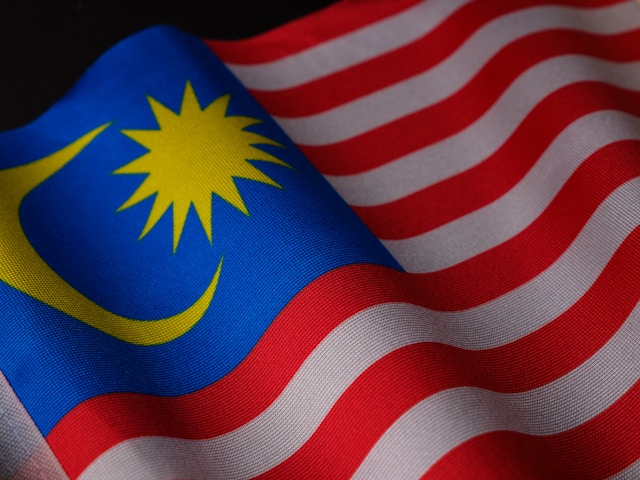
In a coffee shop in Malaysia, conversations often jump from Malay to Mandarin to English without pause, like a natural dance of languages.
This scene is not only unique but also a reflection of Malaysia’s identity as a vibrant multilingual country.
This long-standing cultural richness makes communication that mixes two or three languages commonplace.
In this atmosphere, localization services are a necessity in Malaysia. It is not just a technical service but an art of understanding the cultural nuances behind each word.
This diversity makes Malaysia an ideal testing ground for collaboration between machines and humans.
Machine Translation Post-Editing (MTPE) acts as a bridge: machines provide speed, while human editors preserve the subtleties of local context.
In a fast-moving and highly competitive market, this hybrid approach allows brands to deliver multilingual content with precision without sacrificing efficiency.
However, one fact remains undeniable: the Malaysian market does not forgive translations that are stiff or feel ‘foreign.’ Consumers here are sensitive to tone, culture, and the right choice of words.
Therefore, the true power of machine translation post-editing lies in the human ability to refine machine output, making it natural, grounded, and relevant.
In an automated world, the human touch remains the key differentiator that determines audience trust and loyalty.
The Rise of AI Translation—and the Quiet Frustrations No One Reports

Source: Unsplash.com
The rise of AI in translation promises unmatched speed and efficiency. Its usage has increased year over year.
According to Xinhua, AI adoption in Malaysia has increased by 35 per cent. Games that adapt to local cultures stand out and go viral faster than one-size-fits-all titles.
Yet behind this polished impression, translations often feel flat, the tone misses, and the UI can be unintuitive. The machine’s sophistication is still unable to replicate the nuances of human language fully.
Word choices often sound robotic, sentences feel stiff, and the message can subtly shift. This is especially true in multilingual markets like Malaysia, where nuance and tone must be precise.
Interestingly, many companies use MT regularly but hesitate to admit it for fear of seeming low-quality. Ultimately, these frustrations remain buried, discussed only in small meetings or internal chats.
It is in this silence of frustration that the need for Machine Translation Post-Editing (MTPE) becomes increasingly strong.
MTPE combines machine speed with human nuance to produce fast, natural, and contextually accurate translations. This collaboration marks the future of translation: not mere automation, but a smart synergy between technology and humans.
When Machines Set the Base Layer: What Human Post-Editors Actually Repair
Imagine MTPE as a machine that sketches a face: the general shape is there, but sometimes the nose is crooked, the expression is strange, or the eyes are ’empty’.
This is where humans come in as the final touch-up artist. In the Malaysian context, machines may translate everyday sentences literally, lacking nuance.
For example, slang such as ‘lah’, ‘lepak’, kacang putih, or shiok is often translated literally, losing its social nuance.
For instance, kacang putih in Malaysian slang does not refer to white beans but means ‘very easy’.
A machine might change ‘Kita lepak jap dekat mamak lah’ into a standard sentence that feels stiff, and a post-editor needs to fix it so that it remains natural for Malaysian readers.
In addition, humans must check for language mixing, which is very common in Malaysia. A machine may be confused when someone says, ‘Nanti I submit first before you check balik, can?’ and change it into a single language that is not appropriate for the context.
With localization services, human editors ensure that switching between English and Malay feels authentic, rather than forcing it into a single language and losing the conversation’s identity.
Borrowed words such as tapau, kiasu, or settle also need to be refined to suit the situation and avoid misinterpretation.
There are also culturally sensitive terms. For example, references to mamak, hari raya, or certain customs can be translated flatly by machines without understanding their emotional value.
Humans correct the tone, choose more polite words, and ensure that the message is not offensive.
Ultimately, this effort is a process of giving ‘life’ to machine translation, making it not only accurate, but also alive to Malaysian readers.
The Malaysian Digital Experience: Localize the Feel, Not Just the Words
In the world of digital marketing, many brands focus on word accuracy but forget to capture the local nuances that bring content to life.
Subtle Malay humour, for example, is often lost in literal translations. The use of rojak language—a mixture of English, Malay, and sometimes local dialects—is not just a trend, but part of everyday communication identity.
For example, a promotional sentence such as ‘Jangan lupa try our new teh tarik latte, memang sedap!’ (Don’t forget to try our new teh tarik latte, it’s delicious!) feels natural to a Malaysian audience, while the literal English version loses its casual and familiar feel.
This is where MTPE comes in—not as a technician who merely fixes words, but as a curator who ensures that humour, speech rhythm, and cultural context remain intact.
Differences in speech styles between Kuala Lumpur, Penang, and East Malaysia also affect how messages are received.
Content that sounds natural in KL may feel stiff in Penang, and formal language may be too heavy for audiences in Sarawak or Sabah.
When combined with localization, MTPE enables brands to adjust their tone of voice, use familiar terms, and maintain brand consistency across regions.
Essentially, Malaysian users prefer content that feels ‘close’ to them, not just translated. This process curates the language experience so that content is not only understood but also felt.
With this approach, brands can build genuine emotional connections in the Malaysian market.
Why Brands Now Blend Localization Talent With Machine Speed
Large companies now face different business pressures than before: rapid global expansion must go hand in hand with a personal, authentic customer experience.
This is where hybrid strategies come in, combining local talent with machine speed. Rather than being merely a technical solution, this approach was born out of the need to maintain human quality while moving as fast as the market grows.
Localization is not just about translating words; it’s about conveying the right cultural context and tone, something machines still struggle to achieve on their own.
This is also reinforced by research from the Harvard Business Review, which found that 73% of consumers are more likely to buy products presented in their own language.
In practice, hybrid workflows allow businesses to balance volume and accuracy. For example, a large e-commerce company that needs to upload thousands of products in multiple languages can utilize AI for quick pre-translation.
At the same time, local editors refine the results to ensure they remain relevant to the target culture. The result is content that appears faster but still feels natural to consumers.
This approach is not only efficient but also reduces the risk of cultural missteps that could damage a brand’s reputation.
From a business perspective, the combination of humans and machines opens up more aggressive expansion pathways without sacrificing quality. Speed influences time-to-market, while local touches maintain customer loyalty.
For Teams That Want to Avoid Embarrassing Mistakes: Professional Help Still Matters

Source: Freepik.com
Several international brands have faced serious problems caused by literal translations that failed to account for local context.
These mistakes often arise when content is created directly from the source language without understanding the cultural nuances, idioms, or appropriate terms in the target market.
As a result, neutral or positive messages can be misinterpreted, sparking controversy or even damaging the brand’s reputation.
For example, a health product store in Malaysia caused a stir a few years ago. They displayed ‘Malays only’ on the store door.
This misunderstanding was later clarified by the store’s spokesperson, who explained that the announcement was a translation blunder.
The actual intention was to conduct the promotional session in Malay, not only for visitors of Malay ethnicity.
This case emphasises that understanding the context, culture, and audience is far more critical than simply checking grammar, especially when the content concerns a brand’s reputation in the local market.
This is where professional services such as SpeeQual Translation & Localization play a crucial role.
Through Machine Translation Post-Editing (MTPE) and Localization Services, translations become accurate and contextually appropriate.
This not only prevents miscommunication but also strengthens the brand’s image. The right language is a seamless experience, not just a technical feature.
Every word, phrase, and sentence structure reflects the brand’s identity, builds credibility, and ensures the message is conveyed clearly without getting lost in literal translation.