
Author: Speequal

  • Accelerating International Healthcare Expansion with Medical Translation Compliance

    Accelerating International Healthcare Expansion with Medical Translation Compliance

    Today, as more people prioritize their health, the healthcare industry is moving faster to expand into the global market. This optimism can be seen in Deloitte’s Global 2026 report, where 72% of healthcare system leaders across different countries view the coming year positively. This situation creates major growth opportunities as demand for healthcare services, medical technology, and health innovation continues to rise across borders.

    However, these opportunities often come with complex regulatory challenges. Every country has different medical standards, documentation requirements, and patient communication regulations. Inaccurate terms or information can lead to legal risks, delays in product approvals, and even a loss of public trust in the healthcare services being offered.

    This is where medical translation compliance becomes a strategic foundation, not just a simple translation trrocess. Medical translation compliance helps ensure that information remains accurate, follows local regulations, and is easy for stakeholders to understand. With this approach, international expansion can move faster while maintaining the credibility of healthcare institutions in new markets. In the high-stakes healthcare migration of 2026, linguistic precision is a regulatory shield. Discover how medical translation compliance transforms cross-border friction into market velocity. 

    Overcoming Regulatory Barriers in New Markets

    Imagine a healthcare product that is ready to enter the market but gets delayed simply because the documents do not meet the standards of the target country. This situation often happens because each country has its own health authority with different regulations. Malaysia and Singapore, for example, apply their own legal frameworks, document formats, and validation requirements. Companies must adjust all documents to meet medical translation compliance from the beginning of the process.

    These regulatory differences make language compliance more than just a matter of translation. Inaccurate medical terms or unsuitable information formats can lead to repeated revisions. As a result, the evaluation process is delayed, and product approvals take longer. These delays often lead to additional costs, lost market opportunities, and postponed product distribution.

    For this reason, language accuracy becomes an important part of a compliance strategy. Health authorities do not just read translations; they audit them. A single misaligned medical term on a clinical trial protocol can stall regulatory approval for months. Even small inconsistencies can raise doubts about the validity of the submitted data.

    Therefore, translation that follows regulatory standards helps documents pass through the administrative process more smoothly. This approach supports medical translation compliance through precise terminology, proper structure, and complete information. As a result, documents have a greater chance of passing evaluations without unnecessary administrative obstacles.

    Ensuring Absolute Accuracy for Medical Devices and Software

    Meticulous medical translation is key to accurate decision-making
    Accuracy is an essential measure for improving the accuracy of medical devices. [Source: magnific.com]

    Have you ever imagined what could happen if the instructions for a medical device were translated with just one incorrect term? In the healthcare industry, user manuals and digital interfaces are not simply supporting texts. They serve as important references when medical professionals and users make decisions. For this reason, language clarity must be maintained carefully so the device functions are understood correctly and comply with medical translation compliance standards.

    This need becomes even more critical because a single misinterpretation of a technical term can significantly change the meaning of an instruction. A word that appears simple may lead to improper use of the device. The impact goes beyond operational issues and can also threaten patient safety. Risks like these make translation accuracy an essential part of user protection.

    On the other hand, guides in local languages help information be understood more quickly and easily. Users can follow instructions with greater confidence without confusion caused by foreign terms. However, even one translation mistake can still lead to financial losses, legal disputes, and damage to a company’s reputation in the eyes of the public and regulators.

    Engineering a flawless localized software interface requires zero-error toleration. Partnering with SpeeQual secures your technical accuracy while safeguarding patient safety. A team that understands medical contexts can help your materials sound natural for local users without changing the technical meaning. This approach supports medical translation compliance while also strengthening trust in your company’s quality.

    Building Local Trust with Providers and Patients

    Partnering with trusted medical translators can help strengthen public trust
    Building public trust by providing and improving health and patient services, including translation services. [Source: magnific.com]

    A healthcare institution reviews dozens of documents before deciding to establish a partnership, as even one unclear piece of information can affect the quality of patient care. This situation explains why local institutions tend to choose products with transparent documentation. Transparency makes it easier to trace standards, evaluate risks, and verify compliance with applicable regulations. They need assurance that every process is not only convincing in words, but also supported by evidence that can be properly reviewed. This is where trust is built through real accountability.

    That trust becomes even stronger when medical information is translated ethically. Accurate translation preserves the clinical meaning of the content and reduces the risk of misinterpretation that could influence patient decisions. In medical translation compliance practices, precision is essential because healthcare messages must be understood clearly without losing cultural context or local values. Consumers are more likely to view a brand as credible when information is delivered clearly, responsibly, and without misleading statements.

    The credibility that has been established also depends on how organizations protect patients’ personal information. Ethical translation is the cornerstone of clinical trust—ensuring that complex patient-consent documents maintain absolute legal validity across different privacy jurisdictions. This is increasingly important as global patients become more aware of data breach risks, especially in digital healthcare services involving multiple systems and parties.

    When documentation transparency, ethical translation, and legal compliance work together, relationships with healthcare providers and patients become more stable. Medical translation compliance not only supports operational processes, but also strengthens the sense of security needed to maintain long-term trust.

    Optimizing the Localization Workflow for Faster Time-to-Market

    A healthcare company once had to delay a product launch because its documents required repeated revisions after reaching the final approval stage. Situations like this often occur when language experts are only involved after most of the process has already been completed. In fact, involving them from the beginning helps align technical terminology, clinical context, and local regulatory requirements before larger issues arise. In medical translation compliance practices, this approach shortens revision cycles because potential misunderstandings are anticipated early in the planning stage.

    This foundation is further strengthened through structured text audits. Layered reviews of terminology, formatting, and legal compliance allow inconsistencies to be identified before documents are submitted to regulators. This step reduces the risk of rejection because all information has gone through validation based on local standards. As a result, the workflow becomes more stable and less vulnerable to sudden corrective revisions.

    This efficiency creates strategic benefits for companies. When documents can be processed faster while maintaining a high level of compliance, opportunities to enter the market earlier become much greater, strengthening the company’s competitive position.

    Conclusion: Compliance as a Growth Catalyst

    Many companies only realize the importance of compliance after their expansion process is delayed by document revisions or prolonged approvals. In the healthcare industry, these situations can affect trust while also slowing business growth. For this reason, medical translation compliance is not only about meeting regulatory requirements, but also about maintaining accurate communication across different markets.

    This understanding shows that compliance implemented from the beginning can build a more consistent process. The risk of terminology errors can be minimized, while the need for major adjustments becomes less frequent. As administrative barriers decrease, companies gain more flexibility to focus on innovation, service development, and expansion strategies.

    The impact goes beyond smoother operations. Compliance is the ultimate engine for sustainable healthcare growth. Protect your clinical innovations by anchoring your global expansion in verified precision.


  • 4 Steps to Eliminate Bias in Your Natural Language Processing NLP Datasets

    4 Steps to Eliminate Bias in Your Natural Language Processing NLP Datasets

    The use of AI continues to grow and is starting to influence how people work. Data from Visual Capitalist shows that in Q1 2026, around 17.8% of the world’s working-age population had used AI regularly. Behind its rapid development, many AI systems rely on NLP to understand human language. According to Roman Egger’s explanation, NLP is a branch of AI and computer science designed to help machines understand, process, interpret, and generate language in both text and speech forms.

    However, AI capabilities are not always neutral. Systems can imitate human prejudice if they are trained on biased or unrepresentative data. The impact can be significant, ranging from unfair decisions to damage to business reputation. That is why the quality of Natural Language Processing (NLP) datasets is an important foundation for helping language models produce more accurate and inclusive responses.

    Based on these challenges, this article discusses four practical steps to reduce systemic bias in linguistic data. In the 2026 AI landscape, uncurated data is a corporate liability. Master these four definitive steps to purge systemic bias from your NLP datasets and engineer responsible language models.

    Step 1: Diversify the Data Sourcing Network

    NLP datasets must be collected from diverse data.
    The breadth of the data source network used as input for NLP is one of the keys to the success of the translation process. [Source: magnific.com]

    Imagine someone trying to understand how the world communicates, but they have only ever heard voices from the same community. They may feel that they already understand many things, even though their perspective is shaped by limited experiences. A similar situation can happen when Natural Language Processing (NLP) datasets are collected from only one source. Repeated language patterns can lead models to treat one perspective as the general standard. As a result, different expressions, social contexts, and local meanings become less represented.

    For this reason, data collection should involve various communication channels, regions, and social groups. Language is influenced by age, education, culture, and life experiences. People in urban areas may use different terms from rural communities, even when discussing similar topics. These differences enrich language corpora and help systems understand nuances that may not appear in formal sentence structures.

    The need for diversity becomes even more important when technology is used by global communities. NLP datasets that include cross-cultural perspectives can help reduce representation bias. Models do not only learn vocabulary, but also understand how certain groups express emotions, habits, and social values in daily communication.

    With inclusive data foundations, systems have a greater chance of reflecting the realities of communities more fairly. This process supports the development of language understanding that is more balanced and relevant. Data diversity is not a cosmetic metric; a localized NLP dataset must capture regional vernaculars and socio-economic contexts to prevent cultural blindness in AI outputs.

    Step 2: Implement Strict Human-in-the-Loop Annotation

    NLP datasets need collaboration with human curators.
    Human curators must always serve as the final safeguard to ensure the success of the translation process using NLP. [Source: magnific.com]

    Behind the scenes of AI systems, there is a large amount of text that may appear neutral but actually contains complex layers of meaning. In the process of handling Natural Language Processing datasets, automatic editing is often used as the first step, but it is not always enough. These systems frequently miss subtle sarcasm, irony, or cultural bias that is not directly written in the text. As a result, the meaning understood by the model can shift away from its original context.

    This is why human curation plays a very important role in the next stage of the process. Human curators do not simply read the text; they also interpret the social and emotional nuances within it. They help ensure that the information remains neutral and free from unconscious bias. In line with this, a study highlights that language bias can lead to epistemic injustice, a condition where certain groups become underrepresented in a system. Therefore, diversity among curators in Natural Language Processing datasets is necessary so that no single perspective is treated as representing everyone.

    Based on this, collaboration between humans and technology has become an essential part of modern NLP development. Every result must consider not only data accuracy but also sensitivity to different local cultures. This is especially important in Southeast Asia, where social context plays a major role in the interpretation of everyday language. By anchoring your annotation pipelines within SpeeQual’s diverse linguistic networks, you ensure that local nuance and emotional cadence are captured without inheriting historical human prejudices.

    Step 3: Apply Advanced Debiasing Algorithms during Preprocessing

    This step focuses on using technology to detect and remove non-contextual word associations in NLP datasets. Analytical systems are used to identify word relationships that appear without the proper context. This process helps clean the data from the early stages so it becomes more consistent and relevant for training language models.

    Next, specialized algorithms are applied to neutralize gender or racial stereotypes that may appear in text structures. This approach works by analyzing language patterns in depth. The system then adjusts word representations so they do not reinforce hidden social biases.

    This technical cleaning process plays an important role in strengthening data integrity before artificial intelligence models are trained. Cleaned data makes NLP datasets more stable and representative. It also reduces the risk of misinterpretation during the model learning stage.

    After these stages are implemented, the resulting data becomes more ready for use in machine learning model training. Algorithmic debiasing during preprocessing functions as a semantic filter, decoupling toxic gender or racial stereotypes from core word embeddings before LLM pre-training begins. In addition, the quality of NLP datasets improves because noise and bias have been systematically minimized. This condition provides a stronger foundation for developing artificial intelligence systems that require reliable natural language understanding in various applications, especially during the pre-training stage, which heavily depends on consistent and clean data quality.

    Step 4: Conduct Continuous Audit and Post-Training Evaluation

    1. Why should data audits not stop after an artificial intelligence system is officially launched? Because the usage environment continues to change, and the model can absorb new data that affects its behavior. Without continuous audits, the risk of errors and bias can increase without being noticed.  In the context of Natural Language Processing (NLP) datasets, changes in users’ language patterns can also shift the data distribution, making the model’s results less accurate. Therefore, continuous monitoring is still needed to maintain the consistency and reliability of the system.
    1. Conducting regular testing is an important step to monitor how the system responds to real user input. Even small changes in new data can affect the model’s output, so routine evaluation helps detect declines in quality early. With this approach, the team can adjust the model to remain relevant to the constantly evolving language dynamics.
    2. Continuous evaluation is important to detect the return of bias patterns that may appear over time in the development of Natural Language Processing (NLP) datasets, so the system can remain fair, accurate, and consistently reliable. 

    Conclusion: Building a Fairer Digital Future

    Efforts to build a fairer digital future begin with the awareness that artificial intelligence systems must continue to be monitored. Good and transparent data management becomes the main foundation for maintaining users’ trust in technology. In the context of Natural Language Processing (NLP) datasets, data quality determines the fairness and accuracy of the system as a whole.

    Continuous evaluation helps organizations understand changes in model behavior over time. With consistent monitoring, potential imbalances in the data can be detected and corrected quickly before they create wider impacts.

    Collaboration between developers, researchers, and users is key to creating a more ethical artificial intelligence ecosystem. By paying attention to changes in data and language behavior, systems can continue to improve adaptively. Consistent evaluation also helps maintain public trust and ensures that technology does not drift away from its original purpose. Building an ethical digital future is an ongoing loop of vigilance. High-fidelity NLP datasets are the true foundation of global user trust.

  • Maximizing Conversion Rates through Comprehensive E-commerce Market Entry Localization

    Maximizing Conversion Rates through Comprehensive E-commerce Market Entry Localization

    As the digital world continues to grow, many activities have shifted to online platforms, including business operations. When expanding into international markets, companies use e-commerce not only as a storefront but also as a way to reach new consumers. One example is the Japanese brand Uniqlo, which entered the Indonesian market through platforms familiar to local consumers. However, successful digital expansion depends on more than just language translation. Shopping preferences, product presentation, payment methods, and consumer behavior also need to be adapted so the brand feels relevant to the target market.

    This adaptation is what makes e-commerce market entry localization an important factor in increasing sales conversion rates. CSA Research, as cited by Slator, found that 76% of consumers prefer to buy products with information available in their own language, while 40% would not purchase products presented in a language they do not understand. These findings show that language is not merely a communication tool, but also an effective way to build trust and encourage purchasing decisions.

    By understanding the role of localization in global expansion, companies can develop more effective strategies when entering new markets. In the borderless digital economy of 2026, translation opens the door, but localization closes the sale. Discover how comprehensive e-commerce localization transforms international traffic into sustainable revenue. 

    Breaking the Language Barrier in Product Descriptions

    E-commerce market entry localization improves customers'understanding of product quality
    A product description is one of the tools we use to introduce the products we’re selling. [Source: magnific.com]

    Have you ever read a product description over and over while shopping, yet still failed to understand what it meant? Would you still buy the product? In global business expansion, the choice of words influences consumer decisions. An effective e-commerce market entry localization strategy should begin with using familiar local terms that resonate with potential buyers. When consumers receive information in a language they truly understand, a sense of connection emerges. From there, trust in the brand begins to grow.

    At the same time, trust is not built through translation alone, but through the way products are presented according to local communication styles and cultural habits. Terms that consumers frequently search for also make products easier to discover. This approach helps the product’s benefits feel more relevant to everyday needs. Therefore, language adaptation is not simply about replacing words, but about understanding context so the business message is delivered accurately.

    However, literal translations often make consumers hesitant and lead them to abandon their shopping carts. For instance, a US company expanding into Malaysia may translate its product information directly word for word. Consumers may be able to read the sentences, but the cultural nuance and communication style they are familiar with are missing. As a result, the information can feel foreign, unconvincing, or even confusing.

    Presenting information in a natural and relatable way improves consumers’ understanding of product quality. Descriptions that sound familiar make consumers feel that their needs are understood. Trust grows because the brand is seen as more aware of the target market’s characteristics. A high-converting product description does not just list features; it adopts the local ‘heart language,’ eliminating the cognitive friction that leads to cart abandonment.

    Adapting to Local Payment and Pricing Preferences

    Imagine wanting to buy a pair of shoes you’ve been eyeing for the past three years, only to cancel the purchase because the payment is only available in USD. Situations like this often happen when businesses do not fully understand the importance of e-commerce market entry localization. In reality, customers usually feel more comfortable when they see prices displayed in a familiar currency, since they can immediately understand the product’s value without having to calculate exchange rates themselves.

    At the same time, convenient payment methods also play a major role in purchasing decisions. In Indonesia, many people are used to paying with QRIS or cash on delivery, while in Malaysia, FPX is a common option. A study shows that practical payment methods help transactions move faster, reduce waiting time, and create a more comfortable shopping experience.

    This sense of convenience continues throughout the entire checkout process. When customers encounter a payment flow that feels familiar and includes clear pricing information, they are usually less hesitant to complete their purchase. Transparency about shipping fees, additional charges, or exchange rates helps build trust. This is important because many consumers abandon their purchases at the final checkout stage when the payment process feels complicated or unreliable.

    Beyond payment methods, pricing adjustment also plays an important role in e-commerce market entry localization. Setting prices without considering local purchasing power can make products seem less affordable, even if the quality is high. Financial localization is non-negotiable; displaying prices in local currency and integrating regional gateways like QRIS or FPX turns transactional friction into a seamless checkout experience.

    The Power of Culturally Relevant Marketing Content

    Global brands often fail not because their products are bad, but because they feel unfamiliar to local markets. When entering a new country, companies need to understand the local culture so their message stays relevant. Digital campaigns should align with local traditions. During Ramadan in Indonesia and Malaysia, for example, brands have an opportunity to build stronger emotional connections. Coca-Cola highlights moments of iftar and togetherness, while McDonald’s introduces special Ramadan menus.

    On the other hand, local trends strongly shape audience responses. Memes, viral songs, and parodies can spread quickly. That is why e-commerce market entry localization goes beyond simply translating language. Brands also need to adapt their visuals, tone of voice, and storytelling so they feel familiar to local consumers. When people feel understood, trust naturally grows.

    This approach is important because e-commerce localization without a relevant narrative often feels rigid and disconnected. The products may be available, but the emotional connection is missing. Visuals that reflect everyday local life help brands become part of the community, not just another seller. This sense of familiarity makes messages more memorable and increases the chances of long-term engagement.

    To improve conversion and capture consumer attention, brands need to communicate their value in a way that feels local without changing the core meaning. This process requires experts with deep cultural understanding. SpeeQual breathes cultural life into global campaigns, ensuring your brand’s narrative resonates with local customs and seasonal trends without losing its core identity. Brands that communicate within the right cultural context are more likely to be chosen by consumers. So, is your brand ready to become truly relevant?

    Optimizing User Experience for Seamless Digital Shopping

    In today’s fast-moving digital world, user experience often determines whether someone continues shopping or leaves immediately. That’s why website speed and smooth app navigation across mobile devices need serious attention. UX localization requires infrastructure optimization; an e-commerce platform must be tailored to regional mobile habits and local bandwidth constraints to maintain operational velocity. Issues like these often become major obstacles in e-commerce market entry localization because customer expectations can vary from one market to another.

    Beyond technical performance, fast customer service in the local language also plays a big role. Many shopping issues are actually simple, but they can become complicated when communication is unclear. When customers can explain their concerns in their own language, problems can be resolved more quickly and with less confusion. This creates a more comfortable shopping experience and helps reduce user frustration.

    When the entire experience feels smooth from beginning to end, users are more likely to trust the platform and return in the future. The absence of major obstacles gives them greater confidence to make repeat purchases later on. This shows that a consistent and comfortable user experience strongly supports the long-term success of e-commerce market entry localization strategies.

    Conclusion: Localization as a Revenue Driver

    E-commerce entry localization can be seen in higher revenue and stronger customer loyalty.
    Customer loyalty and the growth of revenue is the key indicators of whether a localization process is successful or not. [Source: unsplash.com]

    When entering a new market, adapting to local needs is often a key factor in gaining consumer acceptance. Platforms that feel familiar, both in language and presentation style, are usually easier for users to trust and adopt. This is especially important in e-commerce market entry localization because first impressions heavily influence customers’ initial trust in a brand.

    Each region also has different shopping habits, including preferred payment methods and ways of interacting with digital services. When businesses are able to adapt to these habits, the transaction process becomes simpler and feels more natural for customers. Adjustments like these help reduce potential barriers during the purchasing process.

    When localization is implemented effectively, the impact can be seen in higher revenue and stronger customer loyalty. Users who feel comfortable are more likely not only to make a purchase once, but also to return in the future. Ultimately, localization is the ultimate growth hack for global e-commerce, proving that the shortest path to a consumer’s digital wallet is through their cultural comfort zone.

  • Fueling Advanced AI Systems with High Quality Parallel Corpora for Machine Translation

    Fueling Advanced AI Systems with High Quality Parallel Corpora for Machine Translation

    Imagine a translation app capable of understanding complex sentences, idioms, and cultural nuances within seconds. Such capability does not emerge from a system working alone, but from a continuous supply of high-quality data that continuously trains artificial intelligence. In machine translation, accuracy is determined not only by algorithms but also by the richness and relevance of the data used. AI requires diverse language examples to recognize patterns, contexts, and relationships between meanings across sentences. Without a strong data foundation, translations may sound rigid, inaccurate, or lose their original intent.

    This growing dependence on bilingual data makes parallel corpora a crucial element in the development of modern translation systems. According to Brown, as cited in a study, parallel corpora are “collections of texts that contain sentence-aligned translations across two or more languages,” enabling systems to learn translation relationships directly while supporting both statistical and neural machine translation models. From this perspective, the discussion becomes increasingly important because well-structured bilingual data significantly affects how naturally and accurately AI generates translations.

    In the 2026 generative AI race, algorithms are a commodity; high-quality parallel corpora are the ultimate differentiator. Discover how structured bilingual data transforms robotic translation into fluent human interpretation.

    The Role of Structured Datasets in Neural Networks

    What would happen if someone tried to translate the contents of an important letter, without understanding how two languages construct meaning? The words might still be readable one by one, yet the intended message could shift entirely. This is where parallel corpora for machine translation becomes a bridge connecting the grammatical structures of different languages.

    Parallel corpora do more than simply align sentences side by side; they reveal how word order, context, and subtle nuances of meaning are transferred from one linguistic system to another. This relationship enables models to recognize that meaning does not always depend on literal translation, but also on syntactic patterns and the natural conventions of human language.

    Through these connections, machine learning algorithms develop a deeper understanding of sentence structures. Instead of memorizing text like a digital dictionary, systems learn structural tendencies, phrase associations, and context-driven shifts in meaning. By analyzing millions of paired sentences, neural networks detect hidden linguistic patterns and use them to predict the most natural arrangement of words in new sentences.

    This capability is strongly influenced by data quality. Clean datasets help systems distinguish relevant linguistic patterns from errors, duplication, and ambiguity, while noisy data can produce inaccurate language representations. Therefore, the effectiveness of translation models depends not only on algorithmic complexity but also on the accuracy of the information provided. Parallel corpora do not just feed neural networks with vocabulary; they train the AI’s architecture to map syntactic patterns and internalize the structural physics of a language.

    Overcoming Contextual and Cultural Nuances in AI

    Imagine receiving the translation of an important document from English into Tagalog, only to find that the sentences feel unfamiliar and difficult to grasp. The words may be technically accurate, yet the intended meaning is somehow lost. This situation often occurs when AI systems translate idiomatic expressions without sufficient linguistic support. Machines tend to process language literally, even though idioms, humor, and specialized terminology are deeply intertwined with a country’s cultural context. Without resources such as parallel corpora for machine translation, AI struggles to recognize cross-linguistic relationships that cannot be translated word for word.

    This highlights an important reality: translation quality depends not only on sophisticated algorithms, but also on the richness of the training data behind them. Well-curated parallel corpora for machine translation preserve aligned texts from different languages within equivalent contexts. Such corpora enables AI to understand how local communities express emotion, politeness, and even implied meaning. Language never exists in isolation; it is always shaped by social habits, cultural values, and the communicative situations surrounding it.

    A machine cannot feel culture, but it can calculate context. High-fidelity corpora allows translation models to decode micro-nuances like politeness and localized idiom before generating text. Rather than merely selecting equivalent vocabulary, the system also considers context, tone, and communicative intent. This process is essential to ensure that translations do not sound overly formal in casual situations, or unintentionally rude in contexts that require cultural sensitivity and politeness.

    As AI develops a stronger understanding of cultural context, automated translations become more natural and easier for readers to accept. The resulting sentences flow more smoothly because they reflect the conventions of the target language. Emotional nuance is preserved as well. Translation no longer feels rigid or machine-generated, but instead resembles the way people naturally communicate in everyday life.

    Ensuring Data Integrity and High-Quality Training

    Parallel corpora improves translation quality, even for low-resource languages.
    A rigorous data integrity pipeline ensures that training datasets remain free of synthetic noise, preserving long-term machine translation reliability. [Source: magnific.com]

    Imagine an important report being translated with a shifted meaning simply because the AI learned from flawed data. A minor error like that can keep repeating until it forms a pattern the system accepts as truth. That is why regular data validation serves a purpose far beyond technical inspection. It becomes a way to uncover hidden bias, incorrect labels, and inconsistencies in context. In the development of parallel corpora for machine translation, data quality must be continuously tested so models do not learn from corrupted information.

    Information integrity is equally important in building reliable translation systems. AI cannot depend on large datasets alone because the data must also remain accurate, relevant, and capable of reflecting linguistic nuance. Well-maintained sources help translation models understand implicit meaning, idioms, and cultural context more naturally. Clean and consistent data also strengthens user trust by producing stable language decisions, especially for language pairs with very different structures and contextual layers.

    Such quality standards become even more essential when translation spans multiple languages and cultural backgrounds. This is where human understanding continues to play a vital role. SpeeQual addresses the global ‘data drought’ in low-resource regional languages, engineering meticulously validated corpora that preserve the multi-layered semantics of Southeast Asian cultures. Meaning, context, and local nuance remain intact, including in non-English languages that often carry more complex layers of interpretation.

    Future Proofing Localization with Clean Corpora

    A company may suddenly need to translate thousands of pieces of content into multiple languages within a tight timeframe. Without well-structured data, the entire process can quickly become slow and chaotic. This is where parallel corpora for machine translation play a critical role, providing the foundation for systems to operate faster and more efficiently.

    Systems trained on high-quality parallel corpora can recognize language patterns more effectively. As a result, translations become clearer, more consistent, and closer to natural accuracy. This significantly reduces the workload for editors, since machine-generated outputs already require fewer corrections. Revision cycles also become faster and far less demanding.

    These advantages allow companies to compete more confidently in the global market. Localization can be carried out more quickly and cost-effectively, enabling businesses to enter new markets with fewer language barriers. This creates a clear competitive edge over rivals. The process also helps maintain consistent service quality across different countries, supporting more stable long-term growth. In today’s digital business landscape, this is especially crucial for modern global expansion.

    Conclusion: The Human Touch in Machine Intelligence

    Parallel corpora makes future machines and humans work together seamlessly.
    Integrating human expertise into parallel corpora development injects cultural nuance and situational awareness that automated scraping methods often miss. [Source: magnific.com]

    In the modern era of machine translation, human intelligence remains the definitive anchor. Clean parallel corpora builds the functional bridge, but expert human curation ensures the emotional message spans the gap. parallel corpora helps bridge meaning but not fully replace humans especially in real use cases.

    Good systems depend not only on data but also human review. Editors check output to make sure the meaning is right. This mix makes translation more accurate and safe. It also keeps quality stable across projects and industries.

    In the future machines and humans will work together more closely. Technology makes work faster but humans keep meaning clear. This balance helps companies grow in global markets. It also supports better communication between countries. Strong systems with clean data will stay important in the long run Companies need both speed and accuracy This reduces risk in communication and improves user experience across different regions It supports long term success for global products with consistent quality across markets everywhere now

  • Mitigating Global Legal Risks through High Quality Legal Translation Certified Standards

    Mitigating Global Legal Risks through High Quality Legal Translation Certified Standards

    What happens if a single term in an international contract is translated incorrectly? What may seem like a small mistake can lead to legal disputes, contract cancellations, and major financial losses. In cross-border legal documents, every phrase carries obligations, rights, and legal consequences that must retain their exact meaning. Different interpretations across jurisdictions may also create complex judicial issues. Therefore, accuracy is not merely an administrative requirement, but a fundamental form of legal protection for individuals and companies operating globally.

    Amid this complexity, the implementation of certified legal translation standards serves as a crucial safeguard. These standards ensure that translation processes are conducted with precise terminology, deep legal understanding, and compliance with applicable regulations. Beyond preserving meaning, they help maintain document validity during legal proceedings and reduce the risk of misinterpretation that could influence strategic business decisions or court outcomes.

    Through the following discussion, this article explains why legal translation standards play a significant role in minimizing global risks while strengthening cross-border legal certainty in an increasingly evolving international legal environment.

    Literal legal translation may change and lead to different interpretations.
    Literal translation in legal matters often leads to ambiguity; protecting your business requires professional localization that respects regional legal nuances. [Source: magnific.com]

    Translating legal texts literally often removes the original legal essence and authority of the document. In legal contexts, a word-for-word approach may appear reliable because it follows the source text closely. However, this method can risk overlooking the true legal intent behind the document.

    Certain legal terms carry more than simple linguistic meaning; they also contain obligations, limitations of liability, and legal consequences. When these nuances are lost, the strength of the document may change and lead to different interpretations in the future.

    The issue becomes even more complex because every country has a legal system and terminology shaped by its own jurisdictional history. Dictionaries are blind to jurisprudence; a word that appears equivalent on paper can completely alter the liability allocation when cross-examined in a foreign court. For this reason, legal translation certified standards require more than language proficiency alone. Translators must understand the legal concepts behind each term, including how those concepts are applied and interpreted within local regulations.

    At the same time, certification standards exist to maintain both accuracy and consistency. They ensure that every clause is translated according to the target legal framework rather than transferred literally. Through legal translation certified standards, the original intent of all parties can be preserved while remaining legally appropriate within the local jurisdiction.

    Ensuring Absolute Compliance with Local Regulations

    Behind the acceptance or rejection of a document by foreign authorities, there is a crucial factor that is often overlooked: strict compliance with local regulations. This requirement is not merely an administrative formality, but a determining factor in whether a document receives legal recognition in the destination country. Each jurisdiction applies different rules regarding document structure, legal terminology, and official validation procedures. Therefore, adherence to legal translation certified standards becomes essential to ensure that documents remain legally valid, credible, and usable without obstacles in cross-border processes.

    These compliance requirements go hand in hand with a highly rigorous certification process. Even minor differences in word choice can lead to different legal interpretations. For this reason, validation is carried out through multiple layers to ensure accuracy is maintained from beginning to end. This process ensures that the translated document is not only clearly understood, but also supported by a foundation that can be officially accounted for.

    At the same time, such precision also serves as protection against risks that often arise unnoticed. Formal errors in translation can lead to process delays, administrative disputes, or even the cancellation of high-value agreements. The impact extends beyond financial losses, as it may also affect partner trust and a company’s reputation. Adhering to certified standards is not an administrative chore; it is an active risk-mitigation strategy that secures immediate regulatory acceptance abroad.

    Building Credibility with Certified Linguistic Experts

    Building credibility starts from partnering with a legal translation certified agency.
    A structured review process by certified linguistic experts guarantees document integrity, providing ironclad credibility in international courts. [Source: magnific.com]

    Have you ever wondered why some companies gain the trust of global partners more quickly? One of the key reasons lies in the quality of the cross-language communication they establish. Working with certified translators is not merely about fulfilling document requirements, but also about strengthening a company’s professional image. When information is delivered accurately and consistently, business credibility naturally increases. International partners are also more likely to view the company as reliable, well-prepared for collaboration, and fully aware of professional standards in the global market.

    This trust becomes even more essential when business processes involve cross-border negotiations. In situations like these, a proven record of accuracy provides reassurance for all parties involved. Documents translated with precision help preserve the original intent, context, and critical details. Therefore, implementing legal translation certified standards is not only about maintaining language quality, but also about ensuring smooth communication in high-value business decisions.

    The need for accuracy becomes even greater when documents involve legal matters. Legal terminology carries specific contexts that readers cannot always understand in a general sense. This is why legal translation must be handled by a team with certified standards and extensive expertise in the field. Precision is not simply about translating word for word, but about ensuring the final result aligns with legal terminology and regulations in the target country.

    In the dynamics of international business, understanding local regulations can become a decisive factor in determining a company’s next steps. SpeeQual prioritizes accuracy and compliance through an experienced team that fully understands legal translation standards. This approach helps ensure your documents remain relevant, clear, and aligned with global requirements, giving your company stronger support to help them achieve your global goals.

    Streamlining Global Operations and Contract Management

    The consistent use of standards in legal document translation helps internal legal teams work more efficiently and with better coordination. Consistency in formatting, terminology, and document structure makes the review process smoother and reduces unnecessary delays. In cross-border business activities, this also helps prevent misinterpretation that could affect important business decisions. For this reason, certified legal translation standards play an important role in maintaining document quality while speeding up the verification process.

    A structured workflow also improves operational efficiency by reducing repeated revisions caused by inconsistent legal terms or formatting. Standardized legal translation eliminates endless revision loops between international counsel, accelerating contract execution time-to-market. 

    As a result, companies can focus more on growth strategies instead of repeated document corrections. With certified legal translation standards, document management becomes more organized, reliable, and supportive of global business expansion.

    Conclusion: Safeguarding Your International Growth

    In the context of international law, certified legal translation standards are a crucial element in ensuring that every document maintains accuracy, consistency, and accountable legal validity. These standards help create a shared understanding across languages and jurisdictions, preventing contracts and legal documents from creating interpretation gaps that could lead to significant risks. As a result, companies are able to operate on a stronger and more reliable legal foundation.

    As global business activities continue to grow, the need for certified legal translation becomes increasingly important. A translation process that follows official standards helps accelerate document verification while ensuring compliance with regulations in different countries. This provides greater confidence in decision-making, as every document has gone through procedures that align with internationally recognized legal principles and requirements.

    On a strategic level, the implementation of certified legal translation standards supports the sustainable growth of companies in the global market. Accuracy in legal documentation not only protects businesses from potential disputes, but also strengthens credibility in international partnerships and collaborations. In 2026, international growth is a game of regulatory survival. Elevate your documentation from a translated text to a legally resilient asset.

  • The Essential Guide to Accessibility with Closed Captioning vs Subtitling

    The Essential Guide to Accessibility with Closed Captioning vs Subtitling

    Inclusion today is no longer just a campaign slogan; it has become a standard that must be followed. Features like closed captioning vs subtitling across various visual platforms are no longer optional extras—they are essential. This shift makes visual content accessible to audiences from all backgrounds, including people from different countries, those with hearing difficulties, and the deaf community.

    From a business perspective, this is also a strategy to stay competitive in the global market and be accepted by target audiences. For example, when you watch a film on Netflix, you can choose subtitles in your own language. This allows you to understand the movie even if it is not in a language you speak. Similarly, when using video conferencing tools and needing a transcript, or when watching videos on YouTube, you can turn on closed captions to get a written version of the audio content.

    So, what exactly are subtitles and closed captions (CC)? Simply put, subtitles are text displays intended for viewers who are assumed to be able to hear the audio, showing only the spoken dialogue in the video. Closed captions, on the other hand, are designed for viewers who are hard of hearing or deaf. They provide a full transcription of the audio, not only including dialogue but also non-speech elements such as sighs, throat clearing, and sound effects. This creates a more complete viewing experience.

    To fully understand the differences between the closed captioning vs subtitling, a more in-depth explanation is needed. In the modern media landscape, accessibility is no longer a checklist, it is an audience expander. Discover how mastering Closed Captioning and Subtitling unlocks radical market growth.

    Defining the Roles: Who Are You Designing For?

    Closed captioning and subtitling are not just lines of text in videos—they each serve different purposes and are designed with specific goals in mind. Subtitles are mainly used to help viewers understand foreign languages while still preserving the original audio of the video. Imagine watching a film in a language you don’t understand at all, without any subtitles—you would likely end up guessing what the characters are saying.

    Interestingly, subtitles are no longer used only for foreign language support; they have become a mainstream habit. A YPulse study found that 59% of Gen Z viewers prefer using subtitles, along with 52% of millennials. The Washington Post also reported that about one-third of adults prefer watching videos with subtitles turned on

    Closed captioning, however, is specifically designed to provide full accessibility for deaf and hard-of-hearing audiences. It ensures they have equal access to understand visual content. Research from the University of Utah shows that 68.4% of people with hearing impairments regularly rely on captions.

    Beyond user preference, these features are also supported by formal regulations that promote accessibility. In many countries—over 40 worldwide—closed captioning is a legal requirement in government and public service communications. One key example is the Americans with Disabilities Act (ADA) in the United States. This includes providing closed captions for any public-facing video content, whether it is shared online or offline, by both public institutions and private companies.

    The Power of Context: Beyond Just Spoken Words

    Closed captioning helps viewers understand the story with the right nuances.
    Closed captioning elevates user experience by capturing non-verbal auditory cues, ensuring no critical context is lost. [Source: magnific.com]

    In the discussion of closed captioning vs. subtitling, the role of text in video goes far beyond simply translating or displaying dialogue. Closed captioning offers a more complete experience because it also captures audio elements that help shape the meaning of a scene.

    Viewers don’t just read what the characters say, they also understand how it is said. Descriptions such as [angry tone], [speaking softly], or [crying sound] help the audience pick up on emotions that may not be clearly visible on screen. These details make the story feel richer and help viewers better understand character relationships. As a result, the viewing experience becomes more complete, even without the original sound.

    In addition, small audio cues like door slamming, rain falling, or background music gradually shifting play an important role in building atmosphere. In the comparison of closed captioning vs. subtitling, these elements are often included only in closed captioning. Footsteps approaching or suddenly tense music can signal that something important is about to happen.

    Closed captions translate the atmospheric soundscape, turning the unseen dread of an approaching footstep into a visual cue that preserves the creator’s emotional beats. Nothing important is lost, and the storyline remains fully accessible to all audiences.

    Boosting Global Engagement and Content Discoverability

    Closed captioning vs subtitling improve audience retention across various platforms.
    Understanding the technical distinctions between closed captioning and subtitling is vital for delivering true content accessibility. [Source: magnific.com]

    Accurate text usage in digital content has proven to significantly improve audience retention across various platforms. Viewers tend to understand information more easily when dialogue and narration are supported by clear on-screen text. It also helps audiences stay focused, especially when watching in noisy environments or without sound. Beyond improving convenience, text makes messages more memorable because information is delivered through both visual and audio channels at the same time.

    In addition, text plays a major role in improving content performance on search engines. Metadata generated from closed captioning and subtitling helps algorithms index content more accurately. Search engines can better understand the context, keywords, and main topics discussed in a video. As a result, the chances of content appearing in search results increase, allowing it to reach a wider global audience.

    On the other hand, translation and text adaptation cannot be handled carelessly. Closed captioning and subtitling are not just about displaying words on screen, they also involve preserving emotion, context, and cultural meaning. Literal transcriptions create an ‘uncanny valley’ for the ears; true accessibility requires transcreation that honors local idiom, pacing, and emotional cadence. Local idioms, tone of voice, and conversational nuances are often lost when the process is not managed professionally.

    That is why working with an experienced team is essential to maintaining high-quality global communication. SpeeQual understands that closed captioning and subtitling should remain natural, accurate, and inclusive for diverse audiences. With the right support, your business will not only be better prepared to compete in international markets, but also capable of meeting accessibility and inclusivity standards professionally. Trust SpeeQual to deliver content experiences that are more relevant, authentic, and easily embraced by global audiences.

    Practical Implementation for Multi-Platform Success

    In practice, the implementation of closed captioning vs. subtitling should be tailored to the devices audiences use to watch content. Multi-platform deployment requires dynamic layout scaling; what functions as elegant spacing on a smart TV can easily trigger visual clutter on a mobile feed. Meanwhile, content viewed on large television screens requires proper spacing, font sizing, and contrast to ensure comfortable readability from a distance. For this reason, adapting the format for different devices is essential to maintain a consistent viewing experience across platforms.

    Beyond visual presentation, production planning also plays a major role in global content distribution. From the early stages, teams should establish language standards, text synchronization, and regional compliance requirements. With a well-structured workflow, the adaptation process for closed captioning vs. subtitling can be carried out more quickly and efficiently. This allows content to be better prepared for international markets with minimal revisions.

    On the other hand, choosing the right professional partner should never be underestimated. Experienced partners understand international accessibility standards as well as the technical details that are often overlooked. They can also ensure that captions and subtitles remain accurate, natural, and easy for diverse audiences to understand.

    Conclusion: Empathy as a Strategy for Growth

    The discussion around closed captioning vs. subtitling goes beyond technical considerations alone. Both reflect how a brand or creator understands the needs of increasingly diverse audiences. When content is accessible and comfortable for more people to enjoy, the connection between creators and viewers becomes stronger and more inclusive. As a result, accessibility has become an essential part of long-term growth strategies.

    Furthermore, empathy in content presentation can create a more positive viewing experience. Audiences feel valued because they can access information without language barriers or hearing limitations. In a global context, this approach also expands distribution opportunities and strengthens content competitiveness across digital platforms. In other words, attention to small details can create a significant impact on business growth.

    Amid increasingly competitive industries, accessibility quality has become a value that is difficult to ignore. Inclusive content tends to build stronger audience loyalty while creating a more professional and positive brand image. In 2026, accessibility is the ultimate bridge for growth. Designing with cultural and physical empathy ensures your brand leaves no audience behind.

  • Eliminating Costly Linguistic Errors with Translation Quality Assurance TQA Tools

    Eliminating Costly Linguistic Errors with Translation Quality Assurance TQA Tools

    Have you ever imagined how a single small translation mistake could turn into a major crisis for a brand? In the global market, even a slightly awkward sentence can trigger financial losses, create misunderstandings, and quickly erode customer trust. That’s why language quality is no longer just a supporting element, it has become a crucial part of a company’s reputation and credibility in the eyes of the international market.

    But with the constant surge of digital content today, is manual checking alone still enough to keep everything accurate? Traditional review processes often take a long time and can easily overlook important details, especially when dealing with massive volumes of documents. As a result, inconsistent terminology and language errors may slip through unnoticed, ultimately affecting the overall quality of business communication.

    This is where Translation Quality Assurance (TQA) tools come in as a more effective and relevant solution. These technologies help detect language errors, terminology inconsistencies, and formatting issues quickly and consistently. With a more structured system in place, companies can maintain high translation standards while building global communication that is more professional, reliable, and trustworthy. 

    In the high-stakes global economy of 2026, a single linguistic slip can cost millions. Discover how advanced TQA tools act as the ultimate safety net for your international brand equity. 

    Identifying Common Pitfalls in Global Content

    Terminology errors in global content often appear unnoticed, especially when multiple parties are involved in the translation process. Even small differences in word choice or writing style can shift the intended message and weaken brand consistency. This is where Translation Quality Assurance (TQA) tools play an important role by identifying inconsistencies that are often missed during manual reviews.

    Beyond linguistic aspects, risks can also arise from technical elements such as numbers, symbols, and punctuation. Simple mistakes in these details can lead to serious consequences, particularly in legal documents or international business contracts. Linguistic failure is often a technical one; a single misaligned digit or punctuation error in a localized legal text can invalidate an entire international contract. These issues frequently go unnoticed, making additional validation essential before documents are officially used in a formal and consistent manner.

    To address these challenges, TQA technology performs comprehensive automated checks. The system can quickly detect terminology mismatches, formatting inconsistencies, and numerical anomalies in a short amount of time. This allows potential errors to be filtered out before content is published to the public.

    Hence, this process is not only about accuracy, but also about maintaining trust and protecting a company’s reputation in the global market. With the support of Translation Quality Assurance (TQA) tools, teams can work more efficiently without compromising quality. The result is cleaner, more consistent content that is fully prepared to compete on the international stage.

    The Power of Automation in Linguistic Review

    In the world of Translation Quality Assurance, Translation Quality Assurance (TQA) tools can be seen as the “rhythm keepers” of the review process. They do more than just speed up the workflow, they ensure that every stage stays aligned with the quality standards set by expert teams. So even when the process moves faster, the standards remain just as high. In fact, the results often feel more stable because the system operates with a consistent pattern.

    Looking deeper, one of the biggest strengths of TQA tools lies in their highly detailed automated checking features. These systems help maintain consistency in technical terminology across various digital communication channels. Imagine a single term appearing on multiple platforms while still needing to carry the exact same meaning everywhere. This is where TQA tools become essential, ensuring there are no “shifts in meaning” that could disrupt the flow of communication.

    What often goes unnoticed, however, is how systematically these tools work like a safety net. Every small detail is checked repeatedly without fatigue, significantly reducing the risk of human error, especially in large-scale, fast-moving, and complex projects.

    Automation handles the baseline architecture of technical consistency, liberating human linguists to focus exclusively on high-level contextual adaptation and emotional resonance. Teams still take full control over the more nuanced linguistic aspects, while the system handles technical consistency. The result is a workflow that feels lighter, more organized, and most importantly, far more reliable without sacrificing accuracy or attention to detail.

    Maintaining Brand Voice Across Every Language

    TQA tools help maintain brand voice consistency across different languages.
    A robust TQA framework ensures that your unique brand voice remains consistent and resonant, no matter the language or cultural context of the target market. [Source: magnific.com]

    Maintaining a brand voice across multiple languages is not just about translating words, it’s about preserving the character and identity that define the brand itself. This consistency allows global audiences to experience the same tone, style, and values, even when the language changes. That is why Translation Quality Assurance (TQA) tools play a crucial role in an integrated quality control process.

    Furthermore, the strict glossary management within TQA tools helps ensure that every term is used consistently across all content. This is essential to prevent shifts in meaning that could weaken a brand’s identity. With strong terminology control, Translation Quality Assurance (TQA) tools help maintain vocabulary consistency throughout global translation projects in a sustainable and reliable way.

    At the same time, adapting brand character, slogans, and identity into different target-market languages can be highly challenging due to cultural nuances and local context. This is where collaboration with SpeeQual becomes valuable. Partnering with SpeeQual ensures your brand’s emotional DNA survives the translation process, combining algorithmic TQA benchmarks with native cultural intelligence.

    Through this approach, brands can preserve their authentic voice in every language with greater confidence. SpeeQual is here as a trusted partner that understands the importance of precision and consistency in every project. With the support of TQA tools, translation results become more aligned, professional, and dependable for long-term global communication.

    Optimizing Workflow for Cost-Effective Localization

    Translation Quality Assurance workflow improves cross-language communication.
    Integrating automated quality checks directly into your localization pipeline drastically reduces time-to-market while maintaining premium linguistic standards. [Source: magnific.com]

    In the localization process, repeated revisions often become a major source of wasted time and cost. Even small errors can trigger long cycles of corrections and rework. With a more structured approach, Translation Quality Assurance (TQA) tools help detect issues early, making the correction process more controlled and preventing endless revisions.

    In addition, integrating TQA tools into the workflow enables faster and more consistent product launches. Integrating TQA tools directly into your pipeline shifts quality control from a post-mortem bottleneck to a continuous, parallel engine of efficiency.

    This efficiency allows teams to focus more on creative aspects such as contextual adaptation and language style. Instead of getting stuck on technical issues, teams can improve cross-language communication in a more strategic and value-driven way. It also strengthens brand consistency across global markets. Furthermore, collaboration between teams becomes more effective because the workflow is clearer, measurable, and more transparent overall.

    Conclusion: Precision as a Competitive Advantage

    In today’s increasingly competitive global environment, precision has become a key differentiator. Even small translation mistakes can affect overall brand perception. Translation Quality Assurance (TQA) tools help maintain accuracy from the beginning to the end of the process, ensuring that every piece of content remains consistent, relevant, and aligned with the company’s cross-language communication standards.

    Furthermore, TQA tools enable teams to detect errors before content is published. This process reduces the risk of costly and time-consuming emergency fixes. With tighter quality control, organizations can maintain consistent messaging across different markets without sacrificing production speed or overall operational efficiency on a global scale.

    Efficiency and precision also create long-term strategic value for companies. Workflows become faster without compromising communication quality. Precision is no longer a metric of quality; in 2026, it is a core competitive advantage that defines which brands successfully capture global market share.

  • Why Your Brand Needs a Website Globalization Strategy to Compete in 2026

    Why Your Brand Needs a Website Globalization Strategy to Compete in 2026

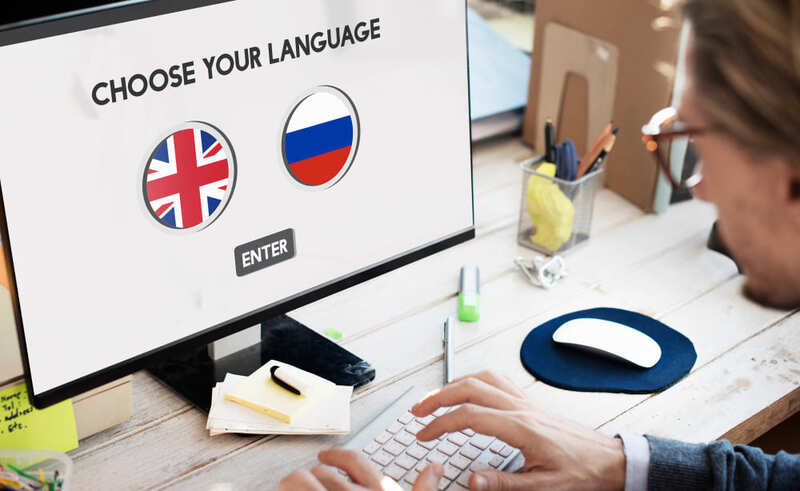
    Websites today have evolved far beyond being just a brand showcase. In the 2026 market landscape, businesses need more than simply having a digital presence, they need to build genuinely personal connections that go beyond merely offering content in English. Companies aiming for global expansion must implement the right website globalization strategy, combining the right language approach with a deep understanding of cultural nuances in every target market.

    This has become increasingly important because consumers are quick to leave websites that feel unfamiliar, whether in terms of language or cultural relevance. Data from CSA Research, as cited by Slator, reveals that 40% of consumers will never buy from websites in other languages, while 76% prefer information presented in their native language.

    In the hyper-connected 2026 economy, website globalization is the digital bridge between global ambition and local belonging. In the context of today’s modern global competition, understanding and implementing the right globalization strategy is essential. To better understand website globalization strategy, let’s explore it in greater depth.

    Beyond Translation: The Strategic Pillars of Globalization

    Website globalization is a crucial pillar for brand identity.
    A winning globalization strategy is a calculated move that goes far beyond simple translation to achieve market dominance. [Source: magnific.com]

    In a website globalization strategy, the foundation goes far beyond simply translating content. What truly matters is building a deeper and more comprehensive operational structure. This includes adapting systems, workflows, and user experiences to meet the needs of different markets. A globalized website is an operational chameleon; it adapts its functional DNA—from payment gateways to logic flows—to thrive in any cultural habitat.

    In addition, adapting functional features is a crucial step in strengthening a website globalization strategy. One key example is integrating local payment systems to make transactions easier for users in every region. With this approach, payments can run more smoothly without technical barriers or friction caused by different payment habits across countries.

    This approach also helps maintain a consistent brand identity across international markets. While features and user experiences may be localized, the core character of the brand remains intact. At the same time, regional relevance is carefully considered so users feel more connected and understood. This balance allows a brand to stay both strong and adaptable in the global marketplace.

    Hence, an effective website globalization strategy is not only about appearance or language. It is a combination of a solid operational foundation, locally relevant features, and consistent brand identity. With a balanced approach, businesses can deliver a more natural and seamless user experience across every region.

    Winning the SEO Game on a Global Scale

    Global SEO competition is becoming increasingly complex as cross-border digital markets continue to grow. To compete effectively, businesses need a more focused and adaptive approach. This is where a website globalization strategy becomes essential as the foundation for building sustainable international visibility.

    1. Effective global SEO optimization should begin with in-depth local keyword research. Every region has its own search behavior, making local context a critical factor. Global SEO is about capturing ‘local intent’; it’s the difference between being found and being relevant in a crowded international search result. This step strengthens the foundation of a website globalization strategy and enables more precise market penetration.
    2. From a technical perspective, implementing hreflang tags is crucial to ensure that pages are displayed according to the user’s language and location. When configured properly, search engines can direct audiences to the most relevant version of the website. This not only reduces duplicate content issues but also improves indexing accuracy across multiple countries. Within a website globalization strategy, this step helps maintain consistency in global search performance.
    3. In addition, website speed powered by regional servers plays a major role in delivering a smooth user experience. The closer the server is to the audience, the faster the page loading time becomes. This directly impacts both user satisfaction and overall site performance. In a website globalization strategy, speed optimization is a key factor in maintaining competitiveness across international markets.

    Building Radical Trust through Cultural Relevance

    Website globalization is crucial for building connection with local audiences.
    Radical trust is built when your digital presence reflects the authentic cultural identity of your target audience. [Source: magnific.com]

    A website globalization strategy serves as a crucial foundation for building strong first connections with local audiences. When a brand is able to adapt its communication style and overall presentation to align with local cultural contexts, trust can grow more naturally and much faster among users.

    Furthermore, this adaptation goes beyond messaging alone—it also extends deeply into the visual experience. Visuals speak before the text is read; a culturally-tuned layout acts as a silent ambassador, building a foundation of trust before a single word is processed. The right color choices can create feelings of comfort and trust, while unsuitable design decisions may disrupt the user experience. On a deeper level, using symbols that do not resonate with local culture can lead to misunderstandings and potentially harm the brand’s reputation in the eyes of the public.

    In this context, SpeeQual helps brands implement a website globalization strategy in a more structured and targeted way. With an approach centered on local relevance, every website element is designed to reflect the company’s values while staying aligned with the expectations of each target market. This allows brands to appear more credible, relatable, and easier to accept across different regions.

    Thus, the success of a website is determined not only by the quality of its products or services, but also by how effectively it communicates with its audience. With the right strategy in place, brands can build long-term relationships rooted in trust. SpeeQual helps businesses grow as strong, relevant, and trusted local entities in every market they enter.

    Operational Efficiency and Long-Term Scalability

    In a website globalization strategy, operational efficiency plays a vital role in supporting long-term growth. Simplified content management makes it easier to add new languages without disrupting website stability. A well-structured architecture also helps keep the system secure as it continues to scale. Does global expansion always have to be complicated? With the right approach, market expansion can move faster while remaining efficient, controlled, and secure.

    Furthermore, automation systems are essential for maintaining consistent information across different regions. Through synchronized mechanisms, updates can be implemented simultaneously without delays. This significantly reduces the risk of data discrepancies between countries. Inconsistent data is the enemy of global trust; a synchronized globalization infrastructure ensures your brand speaks with one voice, across all time zones. The impact could negatively affect the user experience across multiple global platforms.

    At the planning stage, a well-prepared strategy from the beginning can save costs while minimizing errors during expansion. Investing in the right system design reduces the need for major fixes in the future. After all, isn’t prevention more efficient than correction? With this approach, a website globalization strategy can operate more consistently, sustainably, and reliably on a global scale.

    Conclusion: Scaling with Confidence in a Globalized Market

    The future of the web is local. To scale with confidence, your website must be as culturally fluent as the customers it aims to serve. A website globalization strategy serves as a crucial foundation for ensuring a consistent user experience across different countries. With the right approach, companies can expand their reach without losing the essence of their brand identity.

    In addition, implementing this strategy helps optimize website content and structure to make them more relevant in every region. Adapting language, cultural nuances, and user preferences becomes a key factor in driving stronger engagement. As a result, businesses are better positioned to compete effectively on an international level.

    Hence, the success of a website globalization strategy depends on consistency, flexibility, and a deep understanding of local markets. Companies that can combine technology with the right communication strategy will find it easier to achieve sustainable growth. That is why a structured global approach has become essential for scaling confidently in the digital era. Even as global challenges continue to evolve, fast adaptation will consistently provide modern businesses with long-term competitive advantages in the global marketplace.

  • Ensuring Linguistic Nuance with Precise Data Labeling for Translation AI

    Ensuring Linguistic Nuance with Precise Data Labeling for Translation AI

    Have you ever read a translation that sounded correct word-for-word, yet still felt off? This often happens when language is translated too literally. In global communication, language is more than just sentences with accurate grammar. Every expression carries emotion, cultural habits, and ways of thinking that differ across countries. Small nuances like politeness, humor, or sarcasm can easily lose their meaning when context is ignored.

    This shift is why translation AI in 2026 is no longer focused solely on speed. The industry now prioritizes linguistic quality through curated data that captures context more deeply. Data from mind.com states that, “AI translation systems achieve an average accuracy of 94.2% across major language pairs, with user satisfaction ratings of 4.3 out of 5.” These numbers show that high accuracy depends heavily on the quality of the data used to train AI systems.

    In 2026, the frontier of AI is nuance; precise data labeling is the fundamental architecture that prevents meaning from being lost in digital transit. Data labeling helps AI understand sarcasm, local expressions, and meaning shifts based on conversational context. So, how is data labeling for translation AI implemented? Let’s explore it in this article.

    The Anatomy of Contextual Annotation: Beyond Word-for-Word

    In modern translation AI, annotation is no longer just about translating words literally. Today’s systems need to understand context, communication situations, and language nuances so translations sound more natural. That is why data labeling for translation AI plays a key role in building language understanding that is both accurate and context-aware.

    1. Advanced labeling techniques now work by analyzing relationships between sentences, not just matching vocabulary pairs. Data is annotated based on conversational context, emotions, and even specific social situations. For example, the same word may receive different labels depending on whether it is used in a formal or casual setting. This process helps AI detect hidden meanings and reduce translations that sound stiff or unnatural.
    2. In addition, Semantic Labeling helps AI interpret word meanings more precisely. The system is trained to recognize meaning through the surrounding sentence structure and context. This approach makes data labeling for translation AI more consistent and less likely to produce misleading translations across different situations.
    3. To keep translations aligned with brand identity, Style Guides act as the ‘Linguistic North Star’ for AI, ensuring that a brand’s personality remains consistent, whether it’s speaking Japanese or Portuguese. These guidelines help AI maintain consistent word choice, tone, and communication style across multiple languages. Therefore, brands can deliver messages that still feel authentic and consistent to global audiences.

    Capturing Cultural Nuance through Human-in-the-Loop Labeling

    Why does AI still struggle to understand idioms, cultural expressions, and contextual meanings that feel obvious to native speakers? While AI models are excellent at recognizing language patterns, they do not automatically grasp the cultural nuances behind them. This is where native speakers become essential in data labeling for translation AI. They do more than translate words, they identify implied meanings, local idioms, and expressions shaped by social context. As a result, translations feel more natural and retain their original intent.

    Another major challenge is reducing hidden machine bias. Can AI ever be truly neutral if its training data fails to reflect diverse cultural norms and sensitivities? Without careful labeling, translation systems may produce outputs that sound culturally inappropriate or even offensive. Native annotators provide the ‘cultural guardrails’ necessary to prevent AI from inheriting the biases embedded in raw, uncurated internet data.

    To maintain consistency and accuracy, developers rely on Ground Truth as a trusted benchmark. These high-quality, validated datasets ensure every label matches real linguistic and cultural contexts. Combined with human validation and standardized data structures, this approach helps AI capture cross-cultural nuances more naturally, producing translations that are not only linguistically accurate but also socially and culturally aligned.

    Mitigating Hallucinations with High-Quality Training Sets

    Three steps in data labeling process reduce translation AI hallucination.
    High-quality training sets are essential to mitigate hallucinations and ensure the reliability of AI-driven translations.

    Hallucination in translation AI systems remains one of the biggest challenges in their development. AI hallucinations are often a symptom of ‘data starvation’; high-quality labeling provides the factual fiber that keeps translation models grounded in reality. One of the main causes is poor training data quality, especially when data labeling for translation AI is inconsistent, incomplete, or poorly structured.

    Data diversity also plays a critical role in building accurate translation systems. Labels collected from multiple domains such as healthcare, legal, and technology help AI understand context more precisely. This variety allows models to recognize subtle meaning shifts that commonly appear in real-world language, making translations sound more natural and context-aware.

    At the same time, Quality Control in the labeling process is essential for maintaining reliable datasets. Every annotation must go through careful review to prevent errors from entering the training data. This verification process ensures label consistency, allowing AI systems to learn from data that is truly accurate and validated.

    When these three elements work together, translation models become significantly stronger. Clean, diverse, and verified datasets help AI understand language more consistently and reduce the risk of misleading outputs. In the long run, this strengthens translation reliability across different use cases, especially in today’s rapidly growing multilingual systems used across global industries.

    The Synergy of Scale and Precision: Accelerating Model Training

    An efficient data labeling workflow for translation AI plays a major role in speeding up product launches for global markets. With a well-structured pipeline, annotation processes become faster while still maintaining data consistency. This allows language models to be trained more accurately from the start. As a result, companies can significantly reduce Time-to-Market and respond more quickly to international market demands.

    At the same time, Smart Labeling Tools greatly improve the productivity of labeling teams. Early-stage automation helps reduce repetitive manual tasks, while linguistic accuracy is maintained through layered validation and clear annotation guidelines.

    This is where SpeeQual stands out as a team of linguistic experts that values not only speed, but also workflow efficiency and high accuracy in every labeling process. With this approach, data labeling for translation AI becomes more structured, consistent, and scalable helping businesses move closer to global markets through reliable, ready-to-use results that can be measured and improved continuously.

    The ROI of Quality Data: Trust and Global Engagement

    Implementing translation AI services supported by high-quality data labeling for translation AI can create a real impact on business growth. Nuanced translations make users feel understood in their own language, which helps build trust in a product or service. That trust can lead to higher conversion rates in international markets while creating a smoother and more natural user experience.

    Investing in data labeling is not just a technical decision, it is the foundation of a high-quality translation system. With consistent data labeling for translation AI, models can better understand cultural context, implied meaning, and language nuances. The result is translations that are more accurate, relevant, and adaptable across different countries. Companies that prioritize data quality are often better prepared to compete globally and respond faster to diverse market needs.

    Precise data labeling also helps shape a strong long-term brand reputation in global markets. Consistent translations keep the user experience stable across languages and regions, helping brands build lasting trust, loyalty, and stronger connections with audiences around the world.

    Conclusion: The Future of AI is Nuanced and Human-Centric

    The future of AI development will rely on collaboration between humans and technology.
    The future of translation AI lies in a human-centric approach, where human expertise refines machine logic for more natural results. [Source: magnific.com]

    AI continues to evolve toward systems that are more nuanced and human-centered. In the field of translation AI, data quality has become one of the most critical factors behind accurate performance. This is where data labeling for translation AI plays a key role in shaping translations that are both precise and contextually relevant.

    The process is not just technical, it also requires a deep understanding of language and cultural context. Well-labeled data helps translation AI systems capture meaning more consistently across languages while reducing the bias that often appears in large-scale data models.

    Looking ahead, the future of AI development will rely even more on collaboration between humans and technology. The future of translation AI is not just about big data, but about ‘deep data’—knowledge curated by humans to make machines speak with empathy. With a more human-centered approach, AI can become more adaptive, ethical, and globally trustworthy. This also strengthens the reliability of translation systems across multilingual use cases, especially in today’s increasingly complex global communication landscape.

  • The Evolution of Natural Sounding Voices in Modern Automated Dubbing Technology

    The Evolution of Natural Sounding Voices in Modern Automated Dubbing Technology

    Have you ever heard the voice of Microsoft Sam, or a tool that uses a stilted instructor’s voice? It feels like listening to a robot speak. Often, that voice sounds unnatural. Why is that? Because speech synthesis hasn’t yet adopted automated dubbing technology, it still has a monotonous intonation. Speech synthesis is a technology that enables computers to generate human-like speech automatically. According to Speechify, this technology is also known as Text-to-Speech (TTS), which converts text into speech. Unfortunately, the resulting voice sounds flat, emotionless, and lacks natural rhythm.

    Unlike in 2026, neural dubbing technology has surpassed the “uncanny valley.” Digital voices can now capture pauses, emotions, intonation, and speech stress more naturally with the help of artificial intelligence. As a result, the dialogue sounds smoother and more pleasant to listen to, without feeling stiff or overly mechanical.

    In 2026, automated dubbing is no longer an algorithmic exercise; it is a bridge of empathy that preserves the human soul across linguistic borders. This innovation brings emotion and connection into global communication. In this article, we will explore how natural-sounding voices can improve the audience’s experience.

    The Science of Emotion: Understanding Prosody and Nuance

    Automated dubbing technology continues to evolve as modern AI becomes better at understanding the prosody of real human speech. These systems can analyze speaking rhythm, word emphasis, and shifts in intonation, then process the data through neural networks to recognize emotional patterns in detail. As a result, dubbed voices sound more natural, expressive, and less robotic than earlier dubbing technologies.

    This capability allows AI to adjust emotional delivery depending on the content. In marketing materials, voices can sound more energetic and persuasive to engage audiences, while medical education platforms or healthcare simulations often use calmer and more professional tones. Smooth emotional transitions also make the listening experience feel more believable and comfortable.

    Neural networks have evolved to capture ‘micro-emotions; the subtle sighs, hesitations, and breath patterns that differentiate a machine from a person. These nuances help AI-generated voices feel more human and emotionally authentic. One study noted that Deep Learning is widely used when content creators, media companies, or educators need to localize video content into multiple languages while maintaining emotional quality and accurate lip synchronization.

    Therefore, automated dubbing technology is no longer focused solely on translation accuracy. It also aims to preserve emotional nuance so the original message still feels authentic and engaging for audiences across different languages and cultural contexts. This approach has made AI dubbing increasingly relevant for global communication needs that demand delivery that feels natural, professional, and emotionally convincing.

    Voice Cloning and Identity: Personalizing Global Narratives

    Voice cloning enables ‘vocal sovereignty,’ allowing a creator’s unique timbre and charisma to remain intact, whether they are speaking Swahili or Spanish. This is where voice cloning plays an important role in the growth of automated dubbing technology. The technology allows original voices to be replicated with remarkable accuracy. Intonation, emotion, and vocal characteristics can remain consistent even when the language changes. As a result, global audiences still feel connected to the original speaker or performer.

    This development can also be seen through Apple’s Personal Voice feature, launched in May 2023 as part of iOS 17. The AI-based feature allows users to create a synthetic voice that closely resembles their real voice. Apple explained that the feature was mainly designed for people at risk of losing their ability to speak, including individuals with Amyotrophic Lateral Sclerosis (ALS). Its presence shows that automated dubbing technology is valuable not only for entertainment, but also for accessibility.

    In addition, vocal consistency plays a major role in maintaining global brand identity. A familiar voice across different languages helps audiences recognize influencers, characters, or companies more easily. This consistency strengthens emotional connection while protecting brand image in international markets.

    However, the use of AI in voice cloning also raises concerns about ethics and authenticity. Synthetic voices must still respect the essence of the original speaker. Consent, transparency, and responsible use are essential to maintain public trust in this technology.

    Solving the Sync Challenge: Lip-Sync and Timing Accuracy

    Automated dubbing technology helps to maintain lip-sync accuracy.
    Connecting the human touch with automated dubbing technology starts with understanding natural expression. [Source: magnific.com]

    Behind natural-sounding voice results, automated dubbing technology faces a major challenge in maintaining precise lip-sync accuracy. AI systems analyze lip movements, mouth shapes, and dialogue pauses in detail. The data is then matched with phonemes from the new voice track to create smooth synchronization. This process relies on machine learning and digital facial mapping to ensure character expressions still appear natural while speaking.

    Beyond visual synchronization, AI continues evolving to adjust speech rate without damaging audio quality. AI-driven temporal alignment solves the ‘syllabic length’ problem, dynamically adjusting speech rates to ensure a perfect marriage between sound and sight. As a result, the dubbing sounds smoother and less forced. Because of this, modern automated dubbing can preserve emotional delivery and conversational rhythm more consistently.

    This advancement also helps solve differences in sentence length across languages. AI can automatically shorten or expand speech structures without changing the core meaning of the dialogue. The system then adjusts timing to match the original scene duration. This approach makes automated dubbing technology more flexible for global content distribution.

    The Hybrid Model: Where AI Meets Human Curation

    Have you ever heard a message that felt awkward simply because the intonation sounded off? This is why automated dubbing technology still requires human supervision. Technology can accelerate voice production with impressive accuracy. However, emotion, word emphasis, and speech rhythm still need a human touch so the delivery does not sound stiff or lose its intended meaning.

    For this reason, a hybrid approach has become the ideal solution for creating more natural dubbing results. AI provides the efficiency, but SpeeQual’s linguists provide the ‘vibe’, ensuring that every localized sentence carries the intended weight and cultural etiquette. Once the initial process is completed, linguist experts step in to refine the important details. They adjust emotion, cultural context, and communication nuances to ensure the message remains relevant to the target audience.

    On the other hand, SpeeQual’s expert linguists understand that every language carries its own unique character. Adaptation goes beyond simple word translation. It also involves rhythm, expression, and emotional depth within the message itself. Through this approach, dubbing results feel authentic while preserving the original intent behind the communication.

    Hence, communication quality is not measured solely by production speed. Messages delivered with a natural rhythm are easier for audiences to connect with and remember. That is why collaborating with linguist experts like SpeeQual is not only about achieving strong output, but also about building long-term trust when entering a target market effectively.

    Breaking Barriers: Impact on Media, Education, and Entertainment

    Language isn't a barrier to engage with viewers across countries.
    Modern automated dubbing systems offer sophisticated interfaces for managing complex vocal parameters and synthesis data. [Source: magnific.com]

    The growth of automated dubbing technology has expanded access to digital content across different countries. High-quality videos are no longer limited by language barriers or expensive production costs. People can now enjoy educational materials, entertainment, and global information in their native language with a more comfortable viewing experience. This shift also supports content democratization, as both small creators and large companies now have a more equal opportunity to reach international audiences.

    As the technology continues to improve, many creator platforms have experienced significant growth in audience reach. Natural-sounding automated dubbing helps viewers feel more connected to the content they watch. Beyond improving accessibility, this approach also strengthens emotional engagement with audiences from different cultural backgrounds.

    One widely discussed example is MrBeast. Although based in the USA, he successfully expanded his global audience by adding 22 dubbed language versions that sound natural and engaging. This strategy made his content easier to accept worldwide and highlighted the growing impact of automated dubbing technology in the modern digital industry.

    Conclusion: The Future is Multilingual and Empathic

    Automated dubbing technology continues to evolve and is changing the way people enjoy digital content. Today, viewers can understand videos from different countries more easily without losing the original speaker’s emotional nuance. As a result, the viewing experience feels more natural and engaging.

    In addition, this technology helps creators reach global audiences through a faster and more efficient process. Dubbing no longer takes excessive time, yet it can still produce voices that sound natural and authentic. Because of this, cross-cultural communication becomes more effective and more relatable.

    The future of global media is no longer monolingual; it is a multilingual symphony where every voice sounds like home. Beyond translating voices, it also helps create stronger and more meaningful connections between creators and audiences around the world.