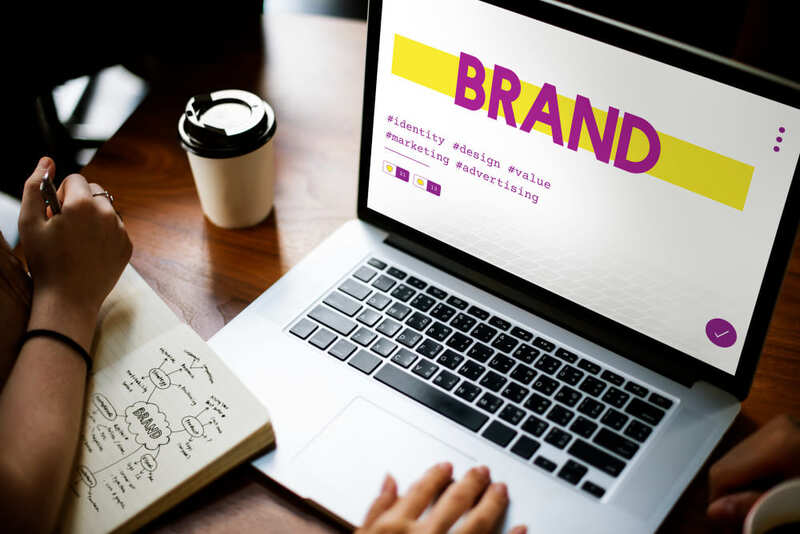
Globalization encourages businesses to expand beyond national borders and languages. In this process, translation becomes the foundation of communication, shaping market perception. Unfortunately, translation errors are no longer considered trivial, as brand messages must be consistent across all regions. This situation becomes even more crucial when companies face diverse regulations, cultures, and expectations.
A single mistranslation can damage a reputation and undermine public trust. One reason is that companies rely on machine translation to accelerate workflows and improve operational efficiency. While helpful, business-level accuracy cannot be fully guaranteed. Therefore, post-editing translation services are increasingly seen as an important layer of protection that safeguards the meaning, credibility, and integrity of today’s global brands.
To better understand this context, consider the following discussion. This article examines the speed trap of machine translation, post-editing as a quality control system, and strategic translation partners to reduce business risk. In addition, we will discuss how global growth requires controlled communication.
The Speed Trap of Machine Translation
Many organizations are tempted to choose speed over accuracy when translating content. Machine translation offers instant results at a low cost. Deadline pressure and scalability requirements make this option seem rational. However, this apparent efficiency often comes at the expense of accuracy.
Meanwhile, speed does not guarantee the accuracy of meaning. AI output often appears grammatically correct but misses critical context. In legal documents, terminology errors can lead to misinterpretation. This is where post-editing translation services come into play, ensuring that every term meets professional standards and that the communication objective is accurately conveyed.
This risk is not just a theory; it is a reality. According to The Irish Times, Parker Pen once made a significant translation error. The word “embarrass” in the original slogan “It won’t leak in your pocket and embarrass you” was translated into Mexican Spanish as “embrazar,” which means “pregnant.” This small mistake drastically altered the brand’s message and caused widespread confusion in sensitive international markets.
The problem is that errors are often not immediately apparent after publication. Even though the output seems correct and ready for publication, the impact becomes apparent when the audience reacts. Speed without quality control significantly increases business exposure. If negative responses arise, consumer confidence declines. Therefore, human evaluation remains important to protect reputation and ensure accurate communication on a global scale.
Post-Editing Is Becoming a Quality Control System

Source: Freepik.com
Post-editing ensures that the message remains consistent with the original intent, not just correcting technical errors. This process reviews the meaning, context, and purpose of communication. Because machines often miss nuances, post-editing translation services help ensure the final result remains accurate, relevant, and credible to a modern, global, multilingual audience. In this effort, human linguists play a crucial role in ensuring that the output remains consistent with the original business intent.
However, human linguists are often perceived as mere editors. In fact, they are much more than just editors. They act as a layer of strategic validation. They verify terminology, check cultural context, and ensure clarity. In post-editing translation services, they also protect brand reputation by maintaining the accuracy and credibility of professional communication across modern global markets.
This approach then plays an important role in maintaining consistency of tone across languages. Consistency creates a uniform experience for a global audience. With post-editing translation services, every message sounds natural. This helps organizations maintain a strong, trustworthy communication identity across international markets.
As demand increases, companies must maintain standards without slowing down production. This is where post-editing translation services become an operational safeguard. The leadership team sees it as quality assurance. This approach reduces the risk of errors, ensures message consistency, and maintains the trust of global stakeholders across operations.
Strategic Translation Partners Reduce Business Risk
Relying on translation and localization partners helps companies maintain accuracy as content volumes increase. A structured post-editing process ensures consistent and professional results. Content can be published faster without compromising the quality or clarity of the main message for a diverse global audience.
Early involvement in the workflow provides clear direction for all stakeholders. This collaboration helps identify potential errors early on. Thus, companies can avoid costly revisions and delays that are detrimental to operations and maintain the trust of their global business partners.
This approach is particularly critical for business, legal, and customer-facing documents. Small errors can change the meaning and trigger serious risks. Post-editing translation services ensure that technical terms, tone, and context remain accurate according to the intended purpose and protect the company’s reputation in the public eye.
For global companies, post-editing is not just an additional cost. This process serves as long-term operational protection. Accurate content reduces the risk of misunderstandings, disputes, and strained relationships with customers and regulators. It also maintains brand consistency across major international markets.
Through post-editing translation services, SpeeQual Translation helps companies convey their messages accurately. In addition to accurate translation, our team of experienced linguists assists with localization to ensure messages are tailored to the target market. This support strengthens brand relevance and sustainable global competitiveness amid rapidly evolving global markets.
Conclusion: Global Growth Requires Controlled Communication

Source: Freepik.com
Global expansion offers huge opportunities for companies, but it also poses communication challenges. Incorrectly translated messages can cause misunderstandings and damage reputations. Therefore, structured communication is essential, and post-editing translation services help ensure that translations remain accurate, clear, and contextually appropriate for international business.
In addition to maintaining accuracy, message consistency is also crucial to global success. Companies must ensure that all content reflects the same identity. However, automated translations often require human refinement. By using post-editing translation services, organizations can improve the quality of their communication without sacrificing the efficiency or speed of their daily operations in today’s international market.
Therefore, a controlled communication approach is no longer optional. It has become part of long-term growth strategies. Companies that invest in language quality are more trusted. Through the right post-editing translation services, messages remain consistent, professional, and capable of supporting sustainable and competitive global expansion.