By 2026, global communication will shift to social media. From personal communication to business, everyone is leveraging these platforms. Features such as images, videos, and stories can help brands connect with their audiences. In fact, social media has become the second-largest search engine for consumers researching brands. SocialMediaToday reports that 72.3% of audiences use social media for brand research.
Choosing the right social media platform allows brands to convey their message to their target audience. Gen Z, for example, uses Instagram more frequently. Data from Hootsuite reveals that 63% of Gen Zers interact with brands on Instagram.
However, a brand’s image can be easily damaged by a single translation error. Even a minor translation mistake can go viral. This might generate brand engagement. A tarnished brand image often results in an immediate erosion of consumer trust, which is far costlier to rebuild than to protect. Therefore, preventive measures are necessary through Linguistic Quality Assurance (LQA) services. This effort is to maintain brand integrity. In this article, we will discuss LQA and its role in branding in more detail.
Understanding LQA: More Than Just Proofreading
LQA is a translation quality evaluation conducted after translation. This process is carried out to ensure that the content is accurate, consistent, and appropriate for its actual context of use. This aligns with Multidimensional Quality Metrics (MQM), ensuring content is evaluated within the specific brand environment and objectives.
Moreover, a “beyond linguistic” approach is applied in this process. It means linguists check every aspect of grammar, cultural nuances, and the functionality of visuals. For example, ensuring the translation aligns with the target audience, such as Gen Z. Also, verifying that the visuals used do not violate local regulations. For instance, in Indonesia, visuals for contraceptive ads cannot be shown in a blunt manner. Meanwhile, the cultural nuances of family values in Malaysia differ from those in the US.
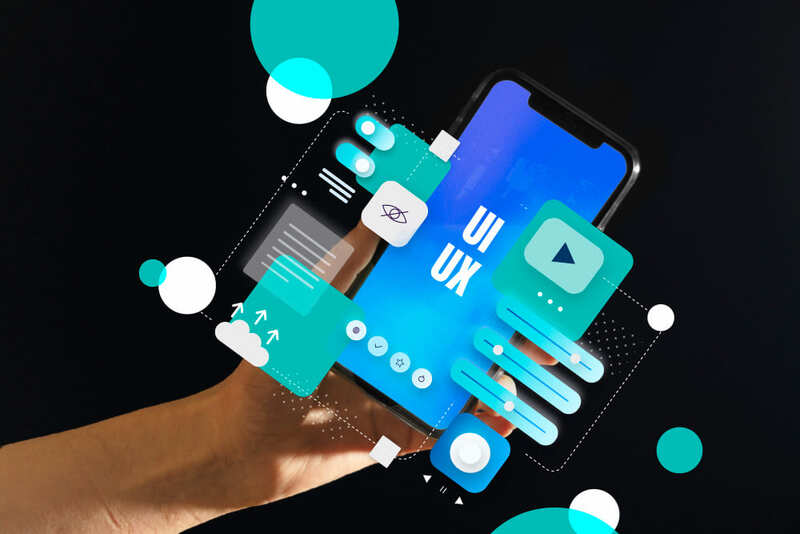
LQA services bridge the gap, helping brands get one step closer to their audience through effective communication. However, LQA is not merely editing. The difference lies in the stage at which the text is integrated into the actual product—for instance, in app products, websites, or digital ads. While editing during translation is typically done in tools like Microsoft Word, this process is performed directly in the UI. The goal is to assess the visual presentation, user interaction, and user experience, ensuring the evaluation fits seamlessly into the overall localization workflow.
Why is it so important to view text within its visual context to avoid ambiguity? Because it can damage a brand’s reputation or lead to financial losses. For example, Dior’s use of Native American-inspired imagery with the “Sauvage” brand sparked criticism for cultural appropriation. This highlights how LQA services are vital in helping brands protect their reputation by ensuring appropriate visuals and concepts are used.
Mitigating Cultural Faux Pas: Beyond Literal Translation
LQA services play a crucial role in preventing cultural missteps that are often overlooked in standard translation processes. A word, idiom, or symbol that appears neutral in one country may carry sensitive connotations elsewhere. Colors also convey powerful cultural messages. For example, during Thailand’s national mourning period in 2016, many brands adjusted their logos and promotional materials to monochrome as a gesture of empathy. This demonstrates that visual communication must also align with the local context. Without such an approach, brands risk being perceived as insensitive.
From this, the role of LQA services extends beyond visuals and words alone to encompass subtler aspects such as tone of voice. Each market has different expectations regarding how a brand speaks to its audience.
LQA helps ensure that communication style remains consistent with the brand’s identity while respecting local cultural norms. A tone that’s too casual can be seen as rude in some countries, while an overly formal style can feel stiff in other markets. This process involves adjusting vocabulary, sentence structure, and even the emotional context to ensure the message feels relevant.
In addition, the use of honorifics is crucial, particularly in Southeast Asia. Generally speaking, cultures in this region place a high value on respect for elders. Addressing someone without an honorific such as “Mr.” or “Ms.” can be considered rude. When brands overlook this in their advertising materials, it gives the impression that they do not respect their audience. LQA services ensure that details like this are not overlooked.
Technical and Visual Integrity: Avoiding User Frustration
Technical issues are often the primary cause of a brand’s visual presentation breaking down. During localization, text expansion can cause it to exceed the available space. As a result, important information may be cut off and difficult to understand. Additionally, characters that fail to display—such as “tofu characters” (empty squares caused by unrecognized fonts)—hinder readability and reduce message clarity.
Furthermore, visual errors, such as overlapping or misaligned text, can negatively affect user perception. A fragmented or misaligned layout signals a lack of quality control, directly compromising the brand’s perceived professionalism. This can lead users to question the brand’s overall quality. Even if the content is good, a poor visual presentation still has a negative impact.
At this point, LQA services play a crucial role in maintaining the quality of both appearance and functionality. This process helps identify technical and visual issues before the product is released to the public. Through a comprehensive evaluation, every element can be refined to meet expected standards. As a result, the risk of disruptions to the user experience is minimized.
Hence, LQA services ensure a seamless user experience across all languages. Each localized version feels natural and easy to understand. Transitions between languages also flow more smoothly. Thus, the brand’s professional image is maintained in the global market.
Financial and Legal Consequences of Language Errors

Language errors in marketing campaigns or product labeling can lead to significant financial losses. Companies risk having to recall advertising materials or even products from the market, when messages are not conveyed accurately. This process not only incurs the cost of reprinting but also erodes consumer trust. In a global context, cultural differences and linguistic nuances can turn small mistakes into major issues. Therefore, ensuring language quality from the outset is a critical step before distribution.
These impacts extend beyond financial aspects alone. Language errors can also lead to serious legal consequences. This is particularly true when translations involve safety instructions or critical user information. Inaccuracies in message conveyance can lead to misunderstandings that pose safety risks.
In such situations, companies may face legal claims from consumers or relevant parties. Errors in terms and conditions can also be considered legal violations that harm users. To minimize these risks, using LQA services is a vital way to ensure the accuracy and clarity of every translation.
SpeeQual Translation understands the needs of brands when it comes to communicating effectively with their audiences. Through our LQA services, SpeeQual’s experienced team helps brands get one step closer to their target markets. By choosing the right communication approach for their target markets, brands can avoid financial losses and legal consequences.
LQA as a Tool for Building Long-Term Consumer Trust
Language quality is closely linked to perceptions of product quality. Consumers tend to trust brands more when they communicate effectively in their language. This was evident when McDonald’s entered the Southeast Asian market, including Indonesia. Its communication style was made warmer and more approachable. This adaptation reflects an understanding of local culture.
From this, it is clear that attention to linguistic details is not merely technical but strategic. Careful word selection demonstrates a brand’s commitment to its target market. Through LQA services, every element of communication can be tailored with greater precision. As a result, the message feels more relatable and relevant to consumers. This connection gradually builds trust.
LQA helps maintain consistent, inclusive, and accurate communication. This consistency is crucial for creating a reliable experience. Through LQA services, brands can maintain message quality across various channels. Ultimately, this contributes to long-term loyalty.
Conclusion: Investing in Precision for Global Longevity
In 2026’s competitive landscape, investing in linguistic precision is no longer an optional luxury—it is a mandatory pillar of global longevity. With the right approach, companies can maintain message consistency across various markets. In this context, LQA services help ensure that linguistic accuracy and contextual integrity are preserved. This process ensures that messages are conveyed accurately in every region. As a result, the brand feels more relevant and is trusted by local audiences.
Moreover, high linguistic quality also impacts the user experience. Clear content is easier to understand and accept. Support from a structured process helps minimize potential errors from the start. This naturally saves time and reduces future correction costs. The transition to new markets becomes smoother and more focused.
At the end of the day, precision is the foundation of global sustainability. Companies that invest in the small details will have a long-term advantage. This process is not merely an add-on but an integral part of the core strategy. With the right approach, international expansion can proceed with greater confidence and effectiveness.