
Amid global business expansion, translation is inevitable. Collaborating with business partners requires accurately translated documents. Therefore, working with a professional translator is essential. However, many companies today adopt free AI translators as the best choice because they are cheaper and more efficient. The European Business Review also notes that this approach facilitates expansion into new markets at lower cost, though risks remain.
On the other hand, there’s another aspect often overlooked. Behind the terms of service, free platforms frequently use user-submitted data to train their models. This means uploaded documents may be stored and utilized without the user’s knowledge. Hence, data privacy in professional translation cannot be compromised. Without robust safeguards, proprietary corporate intelligence remains vulnerable to exposure, leading to irreparable strategic damage.
Through this article, we will discuss the risks of using free AI translation tools in corporate environments, especially for sensitive data. It highlights dangers such as data leaks, privacy issues, and the loss of intellectual property protection. It also emphasizes the need for secure, professional translation services with proper safeguards to protect confidentiality and maintain a competitive advantage.
The Risks of Shadow IT: When Employees Use Unsecured Tools
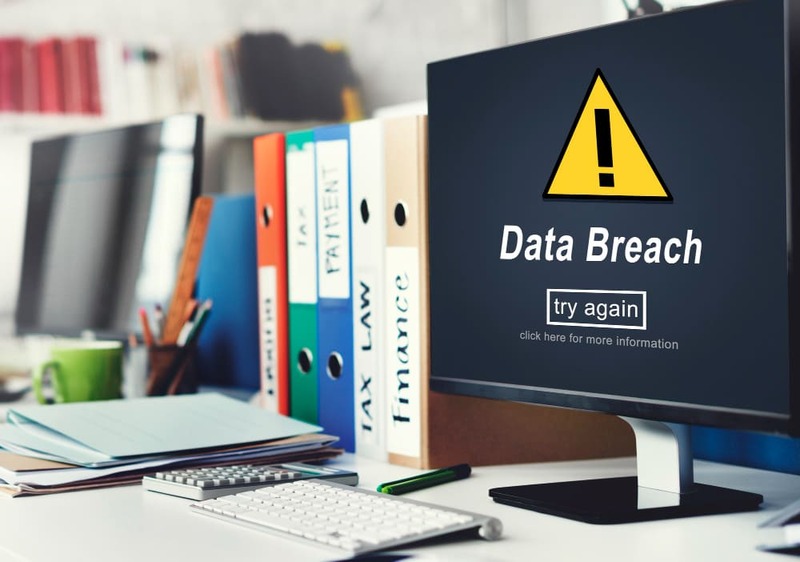
In corporate translation practices, free AI translators are often a quick and convenient option. A significant number of employees bypass corporate IT protocols to use unsecured tools, creating a ‘Shadow IT’ environment that is difficult to monitor. They may not realize the security risks, which can make them feel responsible for safeguarding sensitive information. Simply by uploading the document and entering a prompt, the translation results are available immediately. However, this practice can lead to shadow IT. IBM highlights that the uncontrolled use of such tools can lead to data leaks, regulatory issues, and inefficiencies within the company’s systems.
These risks extend beyond operational aspects. The use of insecure tools creates opportunities for information leaks to the public or even to competitors. Data entered into AI systems may be stored in external databases without the company’s full control, which could be accessed or exploited by unauthorized parties. This situation becomes even more critical when organizations lack visibility into the data flows they process, increasing the risk of data breaches.
According to Forbes, a real example is the 2023 Samsung incident. Several engineers used ChatGPT to assist with their work. They unknowingly copied sensitive data, including internal source code and meeting notes. This information was then stored in an external system and could not be deleted, posing a long-term risk to the company. Recognizing these consequences can help employees and management feel more cautious about their actions.
As a follow-up, Samsung has implemented a strict policy prohibiting the use of public AI platforms for sensitive documents. This measure has been accompanied by increased internal oversight and employee training on data security. In this context, the application of data privacy principles in professional translation has become increasingly important.
Intellectual Property and Trade Secrets: What’s at Stake?

The most sensitive documents fall into several categories with varying levels of risk. First, unregistered documents such as patent drafts or business concepts are highly vulnerable because they lack legal protection. Second, product blueprints and technical specifications contain operational details that others can exploit directly. Third, customer personal data governed by the GDPR or the Personal Data Protection Act carries legal consequences in the event of a breach. The difference lies in the impact of a leak, ranging from the loss of exclusive rights to regulatory sanctions.
Given these vulnerabilities, intellectual property (IP) protection cannot wait until the final stage. The translation phase is frequently the initial point of vulnerability where sensitive assets are exposed to external, often unvetted, systems. Therefore, controls must begin as soon as a document is first translated. This is crucial because the translators, systems, and platforms used may potentially grant uncontrolled access.
Data leaks through translation tools can have serious legal and business consequences. Leaked information may constitute public disclosure. This can invalidate patent claims or weaken a company’s legal position. Additionally, competitors may exploit this information to gain a strategic advantage.
In this context, data privacy in professional translation serves as a critical foundation for safeguarding information security. The use of tools or services that lack clear security standards can create vulnerabilities that are difficult to trace. When sensitive data is compromised, companies risk losing control over the core information that defines their business value. The consequences extend beyond legal implications; they also include a potential significant decline in partner trust and bargaining power during negotiations.
Professional Translation Standards: Security Protocols That Matter
Nowadays, data security is a top priority. This is also true in professional translation services. Many people still use public tools without understanding the risks involved. In reality, there is a fundamental difference between free tools and the infrastructure used by professional agencies. Public tools often process data without the user having full control over it. In contrast, professional agencies use closed systems specifically designed to maintain confidentiality. This distinction is crucial in the context of data privacy in professional translation.
Building on this, professional agencies typically rely on private Translation Management Systems (TMS). These systems restrict access to authorized parties only. Additionally, data is protected with end-to-end encryption throughout the process. All data assets are housed within sovereign, end-to-end encrypted servers, ensuring zero-exposure to public training models. With this approach, the risk of information leaks can be significantly reduced.
Nevertheless, this practice does not stand alone. There are global standards that serve as a reference for maintaining information security. One of these is ISO 27001, which is widely implemented in the professional language services industry. This standard helps organizations manage risks systematically and consistently.
Thus, implementing ISO 27001 is not merely a formality. This standard ensures that every process adheres to strict security principles. It also strengthens clients’ trust in the services provided. In the context of data privacy in professional translation, this step serves as a crucial foundation that cannot be overlooked.
The Power of NDA and Legal Accountability
In professional practice, information protection serves as a cornerstone, particularly in the context of data privacy in professional translation. One of the strongest forms of protection is a legal contract, such as a Non-Disclosure Agreement (NDA). This document is not merely a formality, but a legally binding commitment for all parties. An NDA ensures that any shared data remains confidential and is not misused. With clear legal consequences in place, trust between the client and the translator can be built more firmly.
The strength of an NDA also lies in its strict accountability provisions. In the event of a breach, there is a legal basis for holding parties accountable. This provides clients with a sense of security, especially when handling sensitive documents. In the world of data privacy in professional translation, this clarity of responsibility is a key value. Therefore, the use of an NDA is not merely a form of protection but also a tangible demonstration of professionalism.
With this in mind, it is important to choose business partners carefully. Collaborating with official business entities offers greater security than using anonymous services. Professional companies typically have structured data protection systems and adhere to applicable regulations. Conversely, anonymous web-based services are often non-transparent and difficult to hold accountable.
Therefore, to ensure data security throughout the translation process, companies can partner with SpeeQual’s professional translation team. Under an NDA, SpeeQual guarantees data privacy in its professional translation services. In addition to prioritizing translation accuracy, SpeeQual’s team has extensive experience handling sensitive documents, ensuring that data will not be leaked. This partnership can serve as a long-term investment for your company.
Human-Centric Security: Vetting and Ethical Standards
Amid concerns about data breaches, trust remains the cornerstone of maintaining confidentiality. Professional translators often serve as the best line of defence because they not only process language but also understand sensitive contexts. They can recognize the nuances of information that must be carefully protected. This approach makes security feel more human and manageable.
In line with this, professional agencies implement strict vetting processes before partnering with translators. Every candidate undergoes competency-based screening, identity verification, and background checks. Furthermore, ongoing evaluations are conducted to ensure quality and integrity are maintained. These steps help build a secure and trustworthy workflow.
Hence, professional translators understand their moral and legal responsibilities in maintaining client confidentiality. They are bound by a code of ethics and clear confidentiality agreements. In the practice of data privacy in professional translation, this awareness is integral to every work decision. This ensures that we handle all information securely and responsibly.
Conclusion: Making Privacy a Competitive Advantage
Maintaining privacy is no longer merely an obligation. It has become a tangible value-added feature in professional services. In the context of data privacy in professional translation, client trust stems from transparent and secure practices. Design every process to protect sensitive information. Consequently, we measure service quality not only by translation quality but also by its integrity.
This approach opens up opportunities for differentiation in a competitive market. Service providers who consistently maintain data security will find it easier to build a long-term reputation. Clients tend to choose reliable partners. Therefore, implementing clear security standards is a strategic investment.
Hence, privacy can become a sustainable competitive advantage. Embedding data privacy into the core of translation workflows transforms security from a mere cost-center into a sustainable competitive advantage. This practice also demonstrates a commitment to professional ethics. With the right steps, client trust and loyalty can continue to grow.